

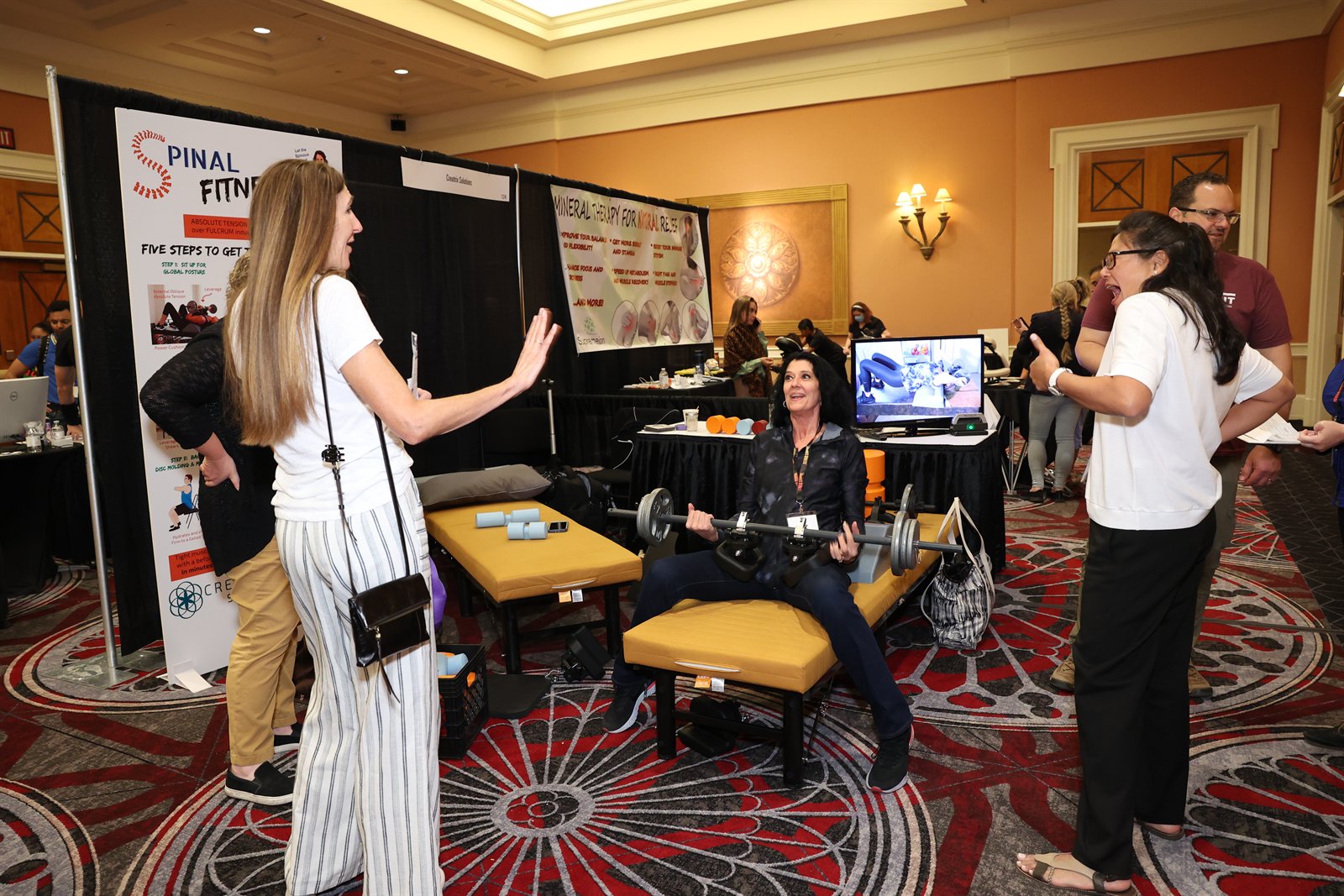
U.S. patent 10779665, the Weighted Target Applicator, was filed September 28, 2017 and granted September 22, 2020 for an apparatus that applies weight directly to a specific part of the user’s body. The abstract names 4 components: at least 1 pad, a setting, a structural base and a barbell mount. Chapter 4 of my book Invent It and Be Your Own Boss uses this patent as its example of uniqueness beyond appearance and lists 10 unique design elements. This article covers the 4 components, the 4 embodiments, and those 10 elements.
How the 4 Components Connect
The pad is detachably attached to the setting, so it can be removed and changed. The structural base is mounted on the setting on the side opposite the pad. The barbell mount is mounted onto the structural base on the side opposite the setting. The stack therefore runs in 1 line from the body outward: pad against the body, setting, structural base, barbell mount, and the weight on the mount.
The 4 Embodiments
The abstract describes 3 embodiments, and Chapter 4 adds a 4th. In embodiment 1 the structural base is rotatably connected to the setting and the pad conforms to the chest. In embodiment 2 the base is also rotatably connected and the pad conforms to the hip. In embodiment 3 the structural base is fixed to the setting, and 2 pads are shaped to receive the user’s face, with face braces and pads for neck support. Embodiment 4 adds a tilt mechanism for the attached weighted item, built from concentric concave portions and an arrangement of axes, which adds a tilting challenge to the exercise.
The 10 Unique Elements in Chapter 4
Element 1 is targeted muscle group strengthening: the device engages a specific muscle group directly, where most exercise devices focus on overall fitness. Element 2 is a universal attachment for weighted accessories, including barbells, so 1 applicator accepts a range of weights. Element 3 is the set of adjustable and detachable pads that conform to the body, fitted with tee nuts and bolts in a wooden mounting plate so the fit can be customized.
Element 4 is fluid movement accommodation: clevis tabs and rotatable connections between components let the user move and let the center of gravity of the attached weight shift during the exercise. Element 5 is the set of embodiments for the chest, the hip and the face described above. Element 6 is the fixed center of gravity in embodiment 3, which holds the attached weight’s center of gravity around the user; Chapter 4 states its purpose as user safety at the neck.
Elements 7 and 8 are the embodiment 3 face braces and the embodiment 4 tilt mechanism described above. Element 9 is the clamp for weighted items, a secure way to connect different types of weights to the applicator. Element 10 is the overall configuration of the 4 components as 1 targeted muscle engagement system.
Why the Patent Lists Function, Not Only Shape
Chapter 4 states that appearance is the most evident form of uniqueness, and that an invention also needs a unique mechanism that sets it apart from existing solutions. A design patent protects appearance for 15 years from grant; a utility patent such as 10779665 protects how the invention functions for 20 years from the filing date. The 10 elements above are functional, and function is what a utility patent protects. Chapter 4 also states the limit: the novelty and patentability of an invention depend on the prior art and on the specific claims in the application, and a patent attorney or examiner evaluates both.
Where the Applicator Sits in My Product Line
The Weighted Target Applicator is 1 of my 10 U.S. patents, and 9 of the 10 U.S. patents are commercialized. Chapter 11 lists it with the spinal fitness inventions under the Spinal Fitness equipment brand, beside the Cushioning Posterior Fulcrum Back Shaper, utility patent 10966552, and the 3 design patents for the Back Roller, the Back Roll Spinal Brace and the Neck Roll Spinal Brace. I cut the aluminum molds for the polyurethane self-skinning rolls and cushions in that line on a used CNC machine, with G-code I taught myself.
Stop Signs During Spinal Exercise
My Spinal Fitness book names 4 stop signs for spinal exercise: pain, numbness, tingling and dizziness. Each of the 4 is a sign to stop, get evaluated, and then proceed with a therapeutic exercise program designed by a Spinal Fitness expert.
Keep Exploring
This article is for educational purposes only.