
Analytical Research Labs (ARL) gives one first-line instruction for a healing reaction: “Reassurance is the most important action needed.” Its reaction documents then list extra rest, a supplement program that can be discontinued for a day or two until the reaction passes, and support for the eliminative organs through colonic irrigation, enemas, massage, steam baths or sauna, warm baths, castor oil packs, skin brushing and deep breathing. I have slowed my own program because of reactions, and when I slow it I add a few more coffee enemas and sauna sessions and I rest more. Both halves of that come from the same ARL protocol.
What my own reactions have looked like
My elimination symptoms have been smells, itching, joint pain, headaches and sleep issues. ARL’s elimination documents list most of those, and carry skin rashes and skin eruptions where I would write itching. Copper elimination carries headaches, which ARL lists as its most characteristic reaction, skin eruptions on the head, chest and thighs, joint pains, and a racing mind with lost sleep. Lead elimination carries bone and joint pain and a metallic taste. The odors are in ARL’s non-metal list: metabolic end-products leaving as foul odors and bad breath. Some of mine relate to copper and to a low sodium/potassium (Na/K) ratio on my chart, and ARL records that proper copper binding requires strong adrenal activity, so copper accumulates as the adrenals weaken.
ARL puts durations on these. Copper reactions generally last a day or two; some last a month or more. Lonsdale, quoted in the same material, puts the range at a few days to a few months, related to how chronic and severe the original problem was. ARL also records that not all people with copper toxicity have symptoms while the copper is being eliminated.
The rule that makes slowing down part of the protocol
ARL’s handling rules are 4 lines. Enhancing elimination is good in practically every case. Speed the reaction up when it drags on and the body cannot finish, which ARL records as most common in slow oxidizers. Slow the reaction down when symptoms are vigorous. Use metal-specific antagonists only when the metal involved is known. ARL adds that reactions usually cannot and should not be suppressed, and that in thousands of toxic metal elimination reactions it found the body will not undertake an elimination faster than it is capable of handling.
So a vigorous reaction has a named response in the ARL literature, and it is the third line, not a stopped program. ARL’s copper elimination document describes how it slows one: the goal is to lower the metabolic rate for a time, because a rising metabolic rate is what drives copper out of storage. Its methods are reducing the supplement program from 3 times a day to once a day at the evening meal, then to every other day or every third day; raising dietary fat by 25 to 30 percent with dairy, avocado, nuts and oils; and adding the phosphorus in lecithin, which ARL records can slow a toxic metal elimination. ARL attaches a warning to the fat: dairy is a stop-gap, because a metabolic rate held low on a continuous dairy diet increases copper storage.
ARL names one exception to pausing supplements. A slow oxidizer whose supplements are providing the energy keeps taking them. Which case a person is in comes from the chart: ARL defines slow oxidation as a calcium/potassium ratio above 4 with a sodium/magnesium ratio below 4.17, and Trace Elements, Inc. places the 2 ideals at 4.2 and 4.
Why I add enemas and sauna while I slow the supplements
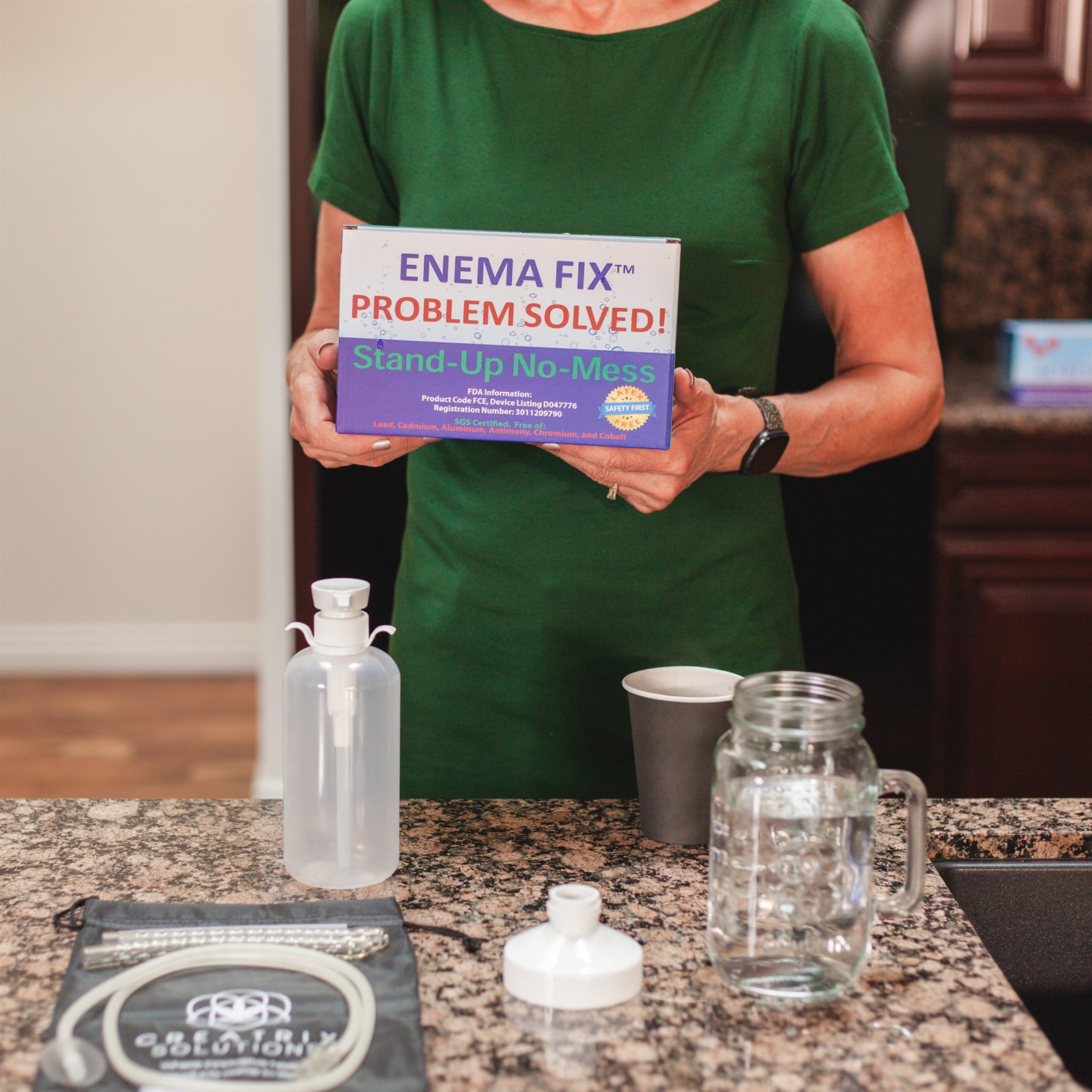
ARL’s reaction protocol separates 2 things: the rate at which metals are being mobilized, and the capacity of the routes they leave by. The supplements and the metabolic rate set the first. The eliminative organs set the second, and ARL’s list for supporting them is enemas and colonic irrigation for the bowel, sauna and steam for the skin, and warm baths, castor oil packs, skin brushing and deep breathing. Sauna is named directly in ARL’s retracing protocol. Of that list I use coffee enemas and sauna. So when a reaction is vigorous, I slow the first and raise the second: a slower program, more coffee enemas, more sauna sessions, more rest.
ARL’s 4 simultaneous mechanisms of metal removal explain the order. The first and most important is increasing biochemical energy production by balancing the oxidation rate and the ratios. The second is chelating agents such as vitamin C. The third is antagonistic elements that compete with the metal. The fourth is enhancing the eliminative organs. Slowing a program lowers the first for a while; adding enemas and sauna raises the fourth.
The 3 questions ARL asks before calling it a reaction
ARL screens a reaction against 3 questions. Is the person on a properly designed program, with both the diet and the supplements? Is the lifestyle healthy, with enough rest and without extreme stress? Was the person feeling better just before the reaction? ARL records that energy is required for a healing reaction to occur, so a yes to the third question makes a retracing reaction more likely. It also records that healing reactions often arrive on vacation, when the lifestyle improves and energy rises.
I keep a written symptom record for this reason. ARL’s retest documents give 4 outcomes in which the chart and the person move in different directions, and one of them, a test that looks better while the person feels worse, has 2 explanations read from that record: a retracing reaction, or original complaints that are gone and forgotten. A dated line showing energy rising the week before a reaction answers the third question from paper instead of from memory.
What the retest shows afterward
ARL records that the elimination of a heavy toxic metal is the most common cause of a sodium/potassium inversion on a retest chart. The Na/K ideal publishes as 2.4 (Trace Elements) to 2.5 (ARL). ARL also records that the calcium level is an indicator of stored copper, that calcium rises temporarily while copper is eliminated, and that a later drop in calcium is a favorable sign. I retest every 3 to 5 months, because each hair reading averages about 2 to 3 months of growth, and those 2 lines are the first read after a reaction.
ARL’s expectation line: some people continue to undergo healing crises for years, and repeat hair mineral analyses confirm the continued elimination of toxic metals. A slowed week inside that is a week of the protocol, run at a lower rate.
Keep Exploring
This article is for educational purposes only.