
My father, a machinist and inventor, trained me from childhood beside him in machinery, design and creation, with one method: look for a better way to do a thing and keep iterating until it works. That method sits behind my 10 US patents and 6 international patents. 9 of the 10 US patents are commercialized, against the 5 to 10% of patents worldwide that reach the market.
What the Shop Taught
After high school I took that training to the Hanford Nuclear Reservation, the site known for its role in the Manhattan Project, where the work demanded precision, process and clear communication. The training continued in my later roles: nuclear quality engineer traveling to power plants across the United States, inspector, auditor, trainer, land developer, home builder, nonprofit manager and certified personal trainer.
Before I design a product, I buy and test the products already sold, from sauna tents to ozone degassing equipment, and list their flaws. My background in drafting and engineering lets me visualize a solution, and I go to sleep working on the problems from the day; the solutions often come in those hours.
From His Machines to My CNC
My father’s mechanical expertise gave me the foundation to buy a used computer numerical control (CNC) machine, teach myself G-code for mold contouring, and cut aluminum molds to refine the designs for molding polyurethane self-skinning rolls and cushions.
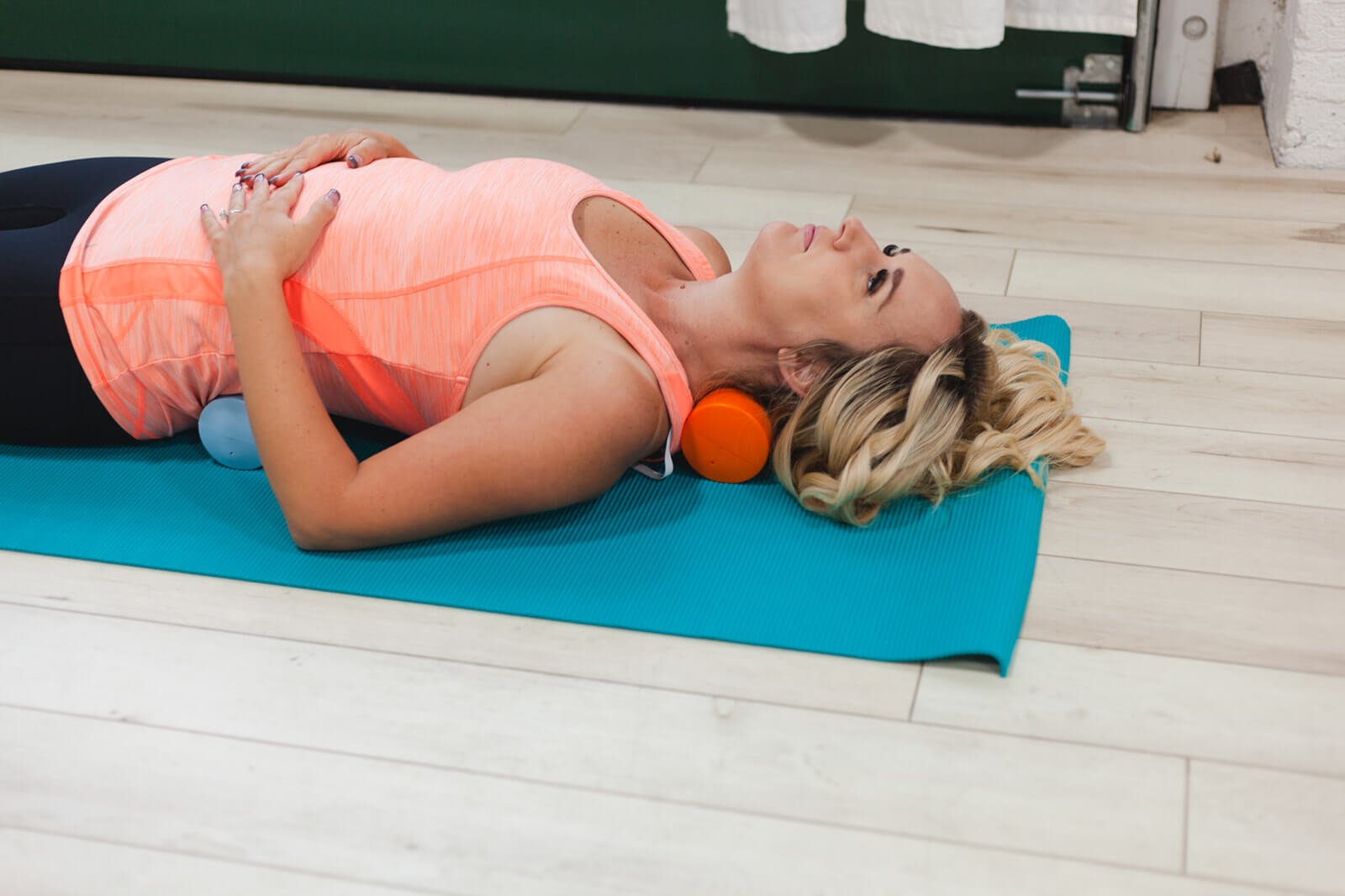
My spinal rolls are specified in the same detail. The Back Shaper rolls come in 5 diameters and 3 densities and are 12 inches long. Neck Shaper rolls use the same 5 diameters and 3 densities at 7 inches long. Three design patents cover the roll and brace designs: the Back Roller (D915613, granted April 6, 2021), the Back Roll Spinal Brace (D859668, granted September 10, 2019) and the Neck Roll Spinal Brace (D858779, granted September 3, 2019). The Cushioning Posterior Fulcrum Back Shaper is utility patent 10966552, granted April 6, 2021.
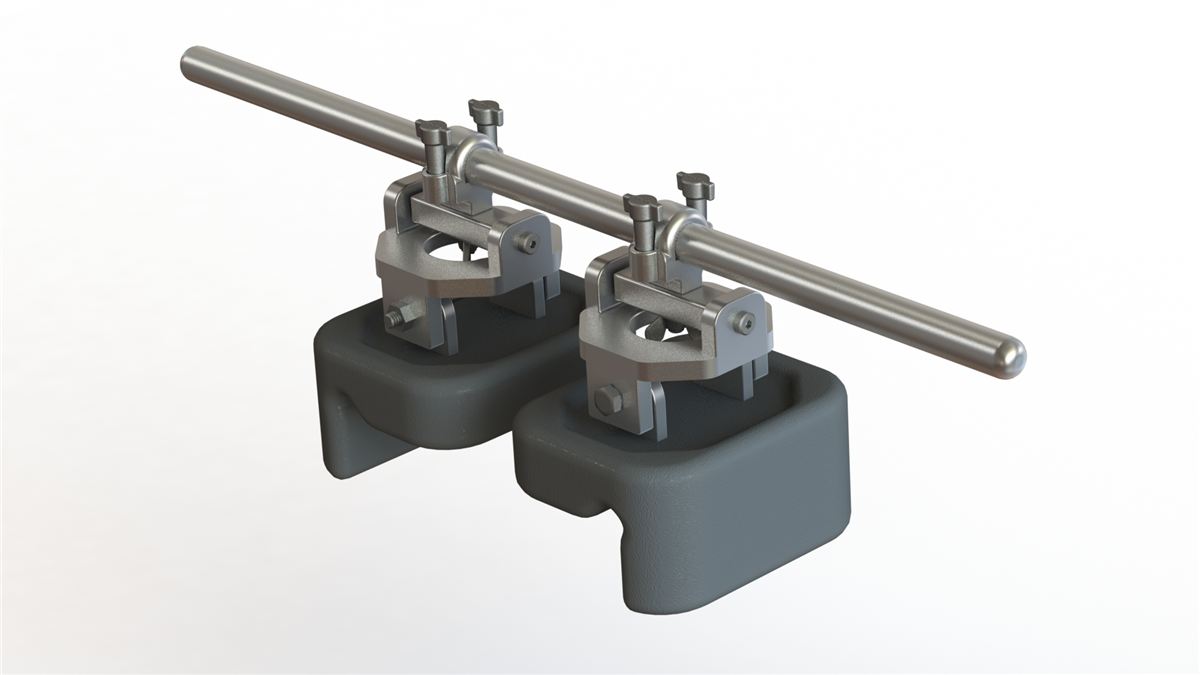
I also bought a 3D printing machine to refine prototypes in-house, which saved thousands of dollars compared with outsourcing the printing or using traditional molding methods.
Iterating Until It Works: The Sauna Tent
In 2011, when I began working with hair analysis, the near infrared saunas on the market used heavy wooden light panels and canvas covers. Canvas held little heat, so the tents had to be small. Sweat and repeated washing made the canvas wrinkle, shrink and sag until it was difficult to reattach to the frame. Wood contains pitch, which releases volatile organic compounds (VOCs) when heated.
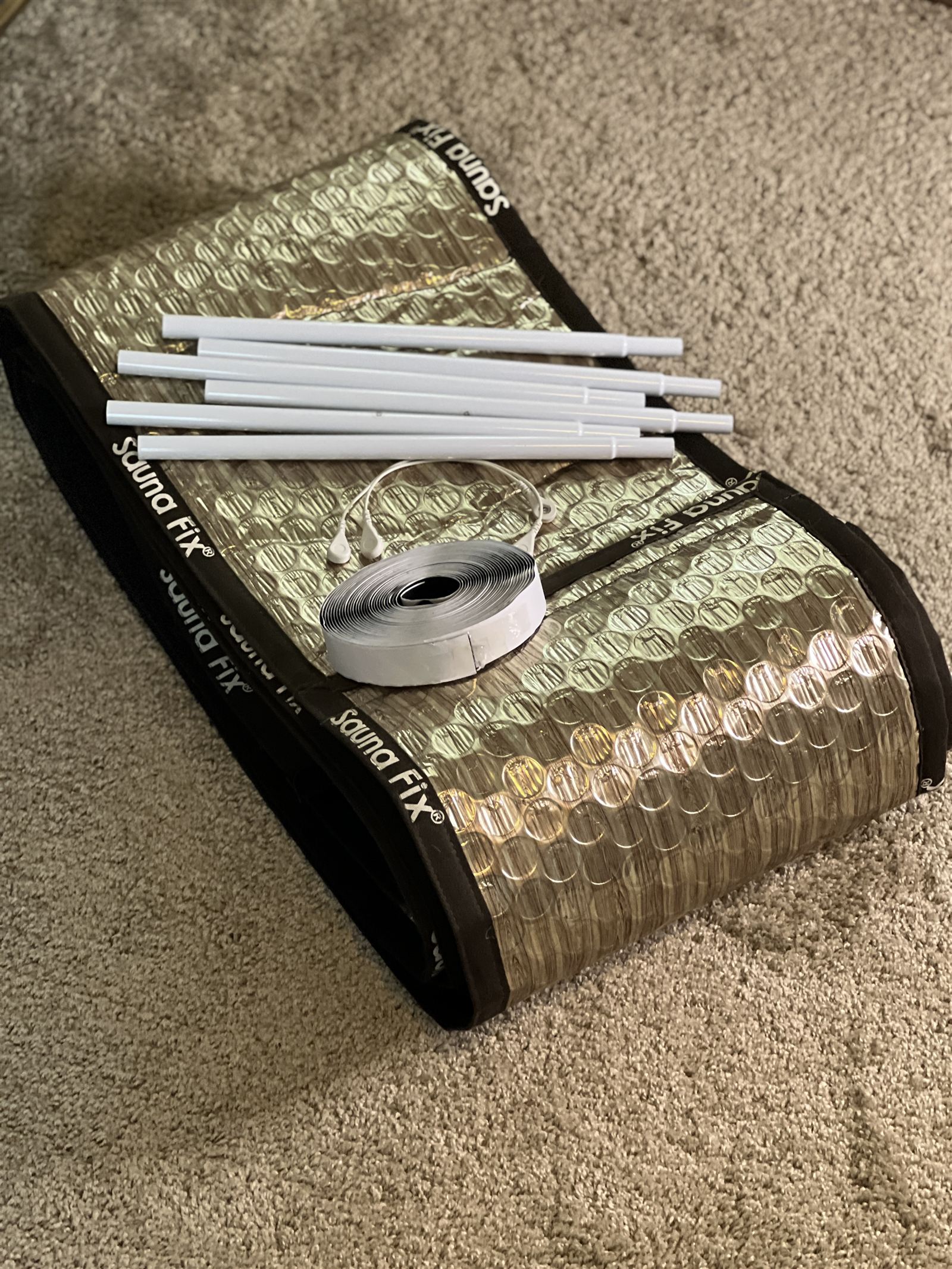
I replaced the canvas and wood with foil insulation material. Its starting insulation value of R4.5 was too low for a sauna, so I changed the bubble size in the insulated panel material and raised it to R15, which raised the air temperature inside the tent.
My tent at that time measured 4 feet by 4 feet and 5 feet tall; the user crawled in and sat on a stool. One customer turned the tent on its side, put the floor against the wall and lay in it diagonally. That led to the convertible tent: brackets let the same tent stand upright for sitting or lie horizontal for a person up to 6 feet 5 inches tall, on a footprint of 3 feet by 4 feet or 3 feet by 6 feet 5 inches. A drop ceiling adjusts the temperature. The exercise size measures 3 feet by 6 feet 5 inches by 7 feet 11 inches, with bamboo mats over radiant insulation material.
The Portable Radiant Exercise and Sauna Tent is US patent 10010477, filed September 5, 2017 and granted July 13, 2018. The System for Transporting a Sauna Device, a travel bag for the sauna lamp fixture, is US patent 10449113. The sauna patents are also granted in Canada, China and Australia.
Iterating Until It Works: Ozone Degassing
A customer who measured ambient ozone at work showed me that the corona-discharge ozone generators I sold emitted unsafe ozone levels almost immediately. My first-generation REION unit, an ozone generator and air plasma machine, exceeded acceptable ozone limits on the plasma setting within a 5-foot radius. I rewrote the REION owner’s manual so the plasma function could be used safely, then designed the Breathe Safe plasma air purifier, which emits no ozone (US patent 10881757, granted January 5, 2021).
For ozonated water, I bought and tested the ozone degassing equipment already sold. It was fragile, hard to move and inefficient at dissolving ozone gas into water at high concentrations. I hired a draftsman through Upwork.com, bought a Formlabs 3D printer for prototypes and bought ozone meters to measure both ambient ozone in the air and dissolved ozone in the water. The tested design became the Tri-Oxy Refresh countertop ozone degasser. The Water Sterilization System with Multipurpose Degasser is US patent 10786758, filed October 2, 2018 and granted September 29, 2020.
The Method in 4 Steps
- Buy and test the products that already exist, and write down each flaw.
- Listen to customers; 3 of my products started with customer feedback: the convertible sauna tent, the stand-up Enema Fix coffee enema kit and the Tri-Oxy Refresh.
- Build the prototype yourself where you can, with a 3D printer, a CNC machine and the meters that measure the result.
- Test each version, learn from it and refine it; the tent panel went from R4.5 to R15 through a change in bubble size.
The full process, from the prior art search through patent prosecution and commercialization, is in my book Invent It and Be Your Own Boss, my second book, and in the 20-section Action Workbook that goes with it.
Keep Exploring
This article is for educational purposes only and is not medical advice. It is also not legal, patent, tax or financial advice; consult a registered patent attorney or agent for your own invention.