
Most people think of posture as something that happens standing still. But the spine spends far more of its day in motion — and nothing reveals its habits like walking. Stride length, arm swing, where your eyes rest, how your feet land: each is a small window into how your spine is carrying you, and each is trainable.
What a Healthy Stride Looks Like
A well-organized walk is surprisingly rhythmic. The head rides level over the shoulders instead of leading the body forward. The arms swing freely from the shoulders, opposite arm to opposite leg. The pelvis rotates gently with each step rather than locking stiff. And the feet roll heel to toe, sharing the work evenly side to side.
When the spine’s natural curves flatten — the forward head, the rounded upper back, the tucked pelvis so common after years at a desk — the walk changes with them. Steps shorten. Arm swing shrinks. The eyes drift down. None of this is permanent; it is simply the body practicing the shape it spends the most hours in.
Why Desk Posture Follows You Out the Door
The connection is mechanical, and it is worth understanding because it explains why “just stand up straight” never works. Every step you take borrows extension from the spine and hips: the trailing leg needs the hip to open behind you, and the counter-rotation of the shoulders needs a mid-back that can turn. Hours of sitting shorten the hip flexors and stiffen the thoracic spine in flexion — so when you walk, the body quietly substitutes. The stride shortens to avoid the hip extension it no longer has, the pelvis tucks, and the head slides forward to counterbalance. Your walk is not a separate skill from your posture; it is your posture, played at speed. That is also the good news: restore the curves and the mobility, and the stride reorganizes itself without your having to choreograph every step.
Reading Your Own Walk
Try this on your next walk: notice whether your gaze naturally sits on the horizon or the sidewalk. Notice whether both arms swing the same amount. Notice which shoe wears out first, and where. These small observations tell you more about your daily spinal habits than any mirror check, because walking is unrehearsed — it shows the spine you actually have, not the one you straighten up for photos.
What I Watch When Someone Walks Away From Me
As a Nationally Certified Spinal Fitness Specialist, I learned early that the most honest assessment happens when a client thinks the session is over. When someone walks away from me across the room, I watch three things, in order.
First, the head. Does it ride level and centered, or does it lead — a few inches out in front, eyes angling down? The head weighs roughly as much as a bowling ball, and every inch it travels forward multiplies the load the neck and upper back must carry with each step.
Second, the arm swing — not how big it is, but whether it is even. One arm swinging noticeably less than the other usually points to rotation the mid-back has lost on that side; the body has stopped spending motion it no longer has to give. The shoe-wear check tells the same story from below: an outer heel edge worn far faster on one side is the walk keeping a record you can read months later.
Third, the rhythm. A supple spine makes walking look effortless — a slight, springy counter-rotation between shoulders and hips. When the trunk moves as one rigid block, the legs are doing all the work and the spine is doing none, and that stiffness is where I begin the actual training. What I have seen over and over, from desk workers to the athletes I have coached: fix the mid-back and the neck curve, and the stride lengthens on its own within weeks. Nobody has to be taught to walk better — they have to get back the motion that walking wants to use.
A Two-Week Walking Reset
You do not retrain a stride by micromanaging it. You restore what it needs, then let it emerge:
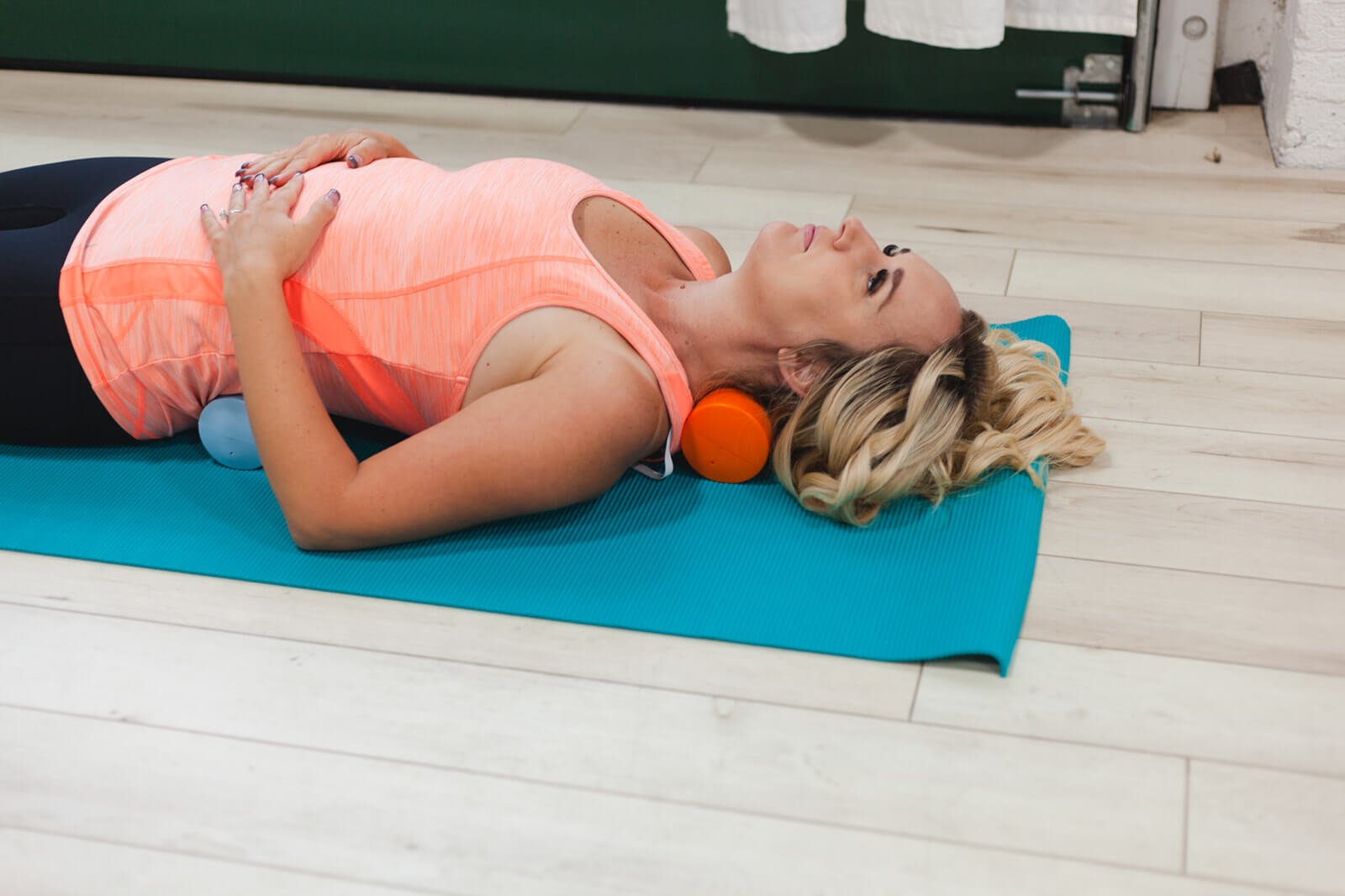
- Daily, before you walk: two or three minutes of extension over a properly sized foam roll to unwind the day’s flexion — mid-back first, then the neck curve.
- On the walk: pick one cue only — eyes on the horizon. It is the single cue that reorganizes the most beneath it; when the gaze lifts, the head centers and the chest opens without further instruction.
- Once per walk: thirty seconds of deliberately longer strides, feeling the hip open behind you. Then forget about it and walk normally.
- End of week two: repeat the self-checks — gaze, arm swing, shoe wear points — and compare.
Small, boring, daily. That is the entire secret.
Hills, Stairs, and Uneven Ground Are Free Training
Flat sidewalks let the spine coast; varied terrain makes it participate. Uphill walking forces genuine hip extension — the very motion desk sitting steals — and encourages the trunk to incline from the hips rather than the waist, which trains the difference between leaning and slumping. Downhill asks the deep postural muscles to control the descent instead of just riding it, step by braking step. Stairs earn a special mention: taken without the handrail (where safe), they demand the level-headed, counter-rotating trunk that flat ground never insists on. And an unpaved trail is a thousand tiny balance corrections per mile, each one a rep for the small spinal stabilizers no gym machine reaches.
The practical version: once or twice a week, trade a flat loop for a route with a hill, a staircase, or a stretch of trail. Same walk, same half hour — considerably more spine.
Training the Spine the Stride Comes From
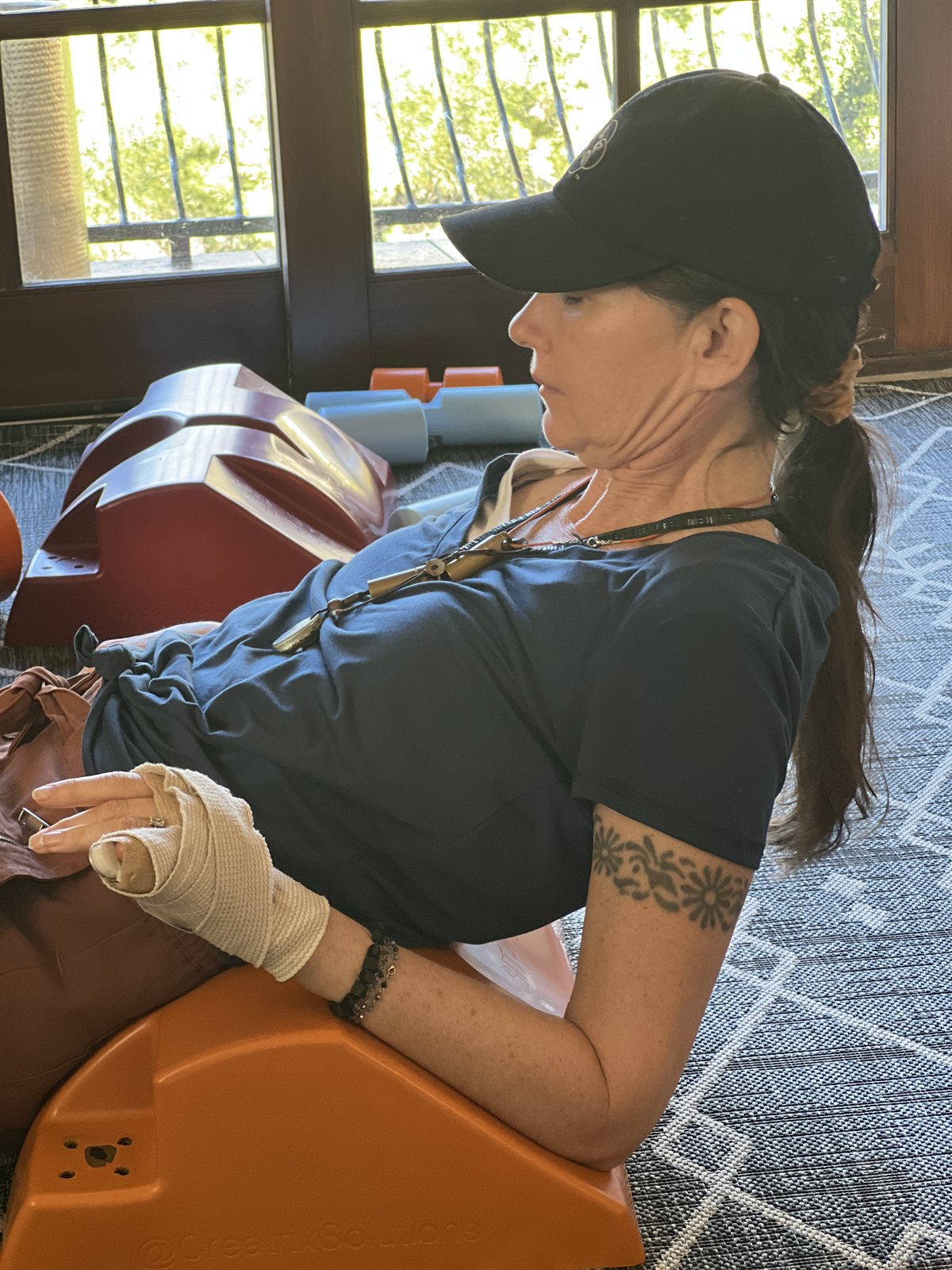
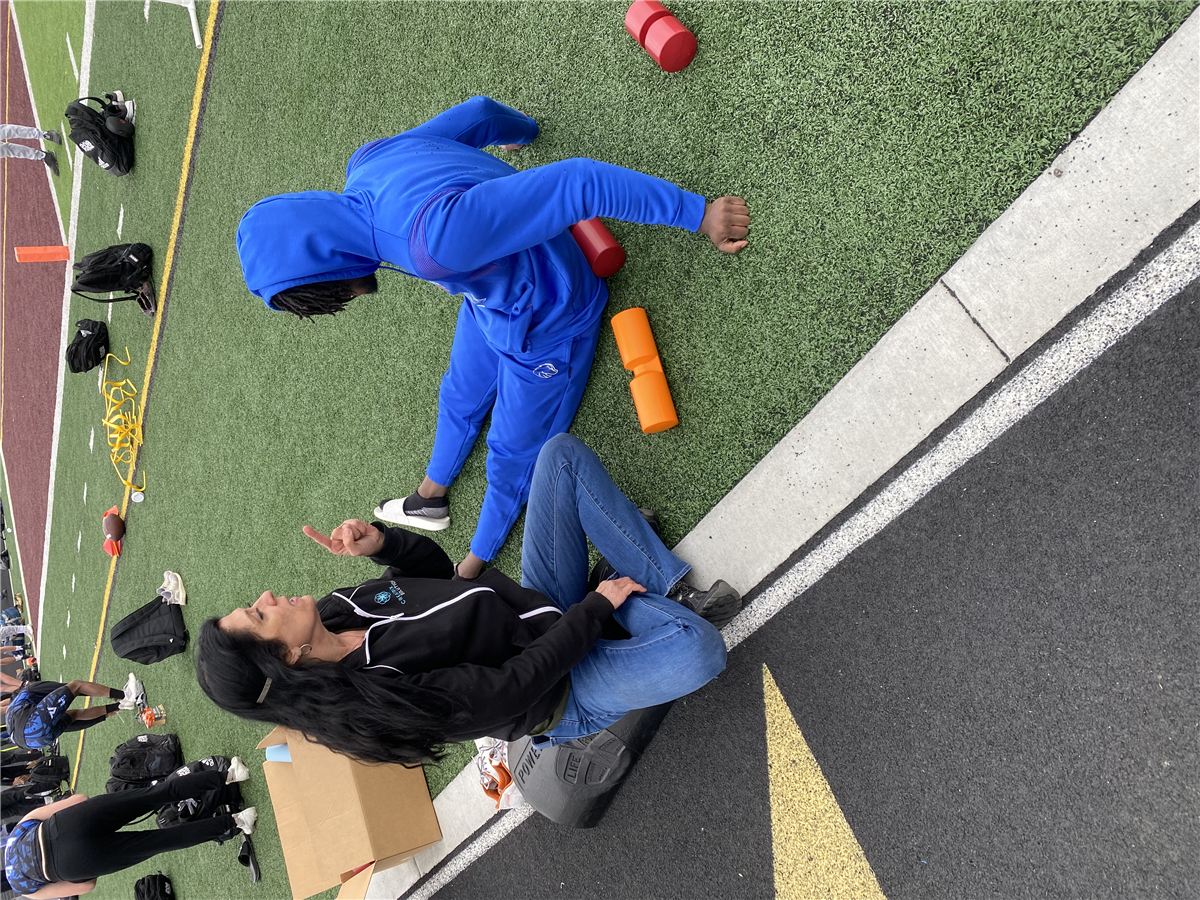
The encouraging news: the walk improves when the spine’s curves are restored, and the curves respond to consistent, simple practice. Restoring extension over properly sized foam rolls counteracts the flexed positions of the day, and the Neck Shaper Kit supports the cervical curve that keeps the head balanced over the body — the starting point of a confident stride. For athletes, the same mechanics scale up: stride length and trunk rotation are performance, not just posture, which is why the athlete performance guide starts with the spinal curve.
The full picture of how spinal curves, posture, and daily movement work together lives in the Spinal Health & Biomechanics pillar — including the Five Steps that build spinal fitness from the ground up.
Frequently Asked Questions
How fast should I walk?
Fast enough that your arms want to swing on their own — that is the pace where the spine’s natural counter-rotation engages. A stroll has its place, but the reorganizing benefits show up at a purposeful pace where the whole body participates.
Is treadmill walking as good as walking outside?
It is better than not walking, with one caveat: the belt moves the leg back for you, so hip extension gets less genuine work, and the console invites the eyes down. If the treadmill is your reality, set a slight incline, keep your gaze ahead rather than on the display, and let outdoor walks fill in when you can.
Do orthotics or special shoes fix a stride?
They change the foundation, which can genuinely help — but they cannot restore motion the spine and hips have lost. Think of them as one end of the chain: support the feet if they need it, and train the curves at the other end. Uneven shoe wear is a prompt to look upward at the spine, not only downward at the insole.
What about walking while looking at my phone?
It rehearses exactly the pattern you are trying to undo — head forward, eyes down, shortened stride — during the one activity best suited to undoing it. Let the walk be the walk; the messages will keep.
Can walking alone keep my spine healthy?
Walking is the best daily medicine the spine gets, but it works with the raw material it is given. Pair it with a few minutes of curve-restoring extension work and the two feed each other: the rolling restores the motion, and the walking teaches your body to use it. That pairing is the heart of the Five Steps in the pillar guide.
Every spine has its own history. If you are working with pain, an injury, or a diagnosed condition, a qualified professional can help you adapt these practices to your body.