

One of the most common questions from new sauna owners is deceptively simple: when should I take my session? The honest answer is that the best time is the one you will actually keep — but morning and evening sessions do feel different, support different goals, and fit different lives. Understanding those differences helps you build a near infrared routine that lasts.
The Case for Morning Sessions
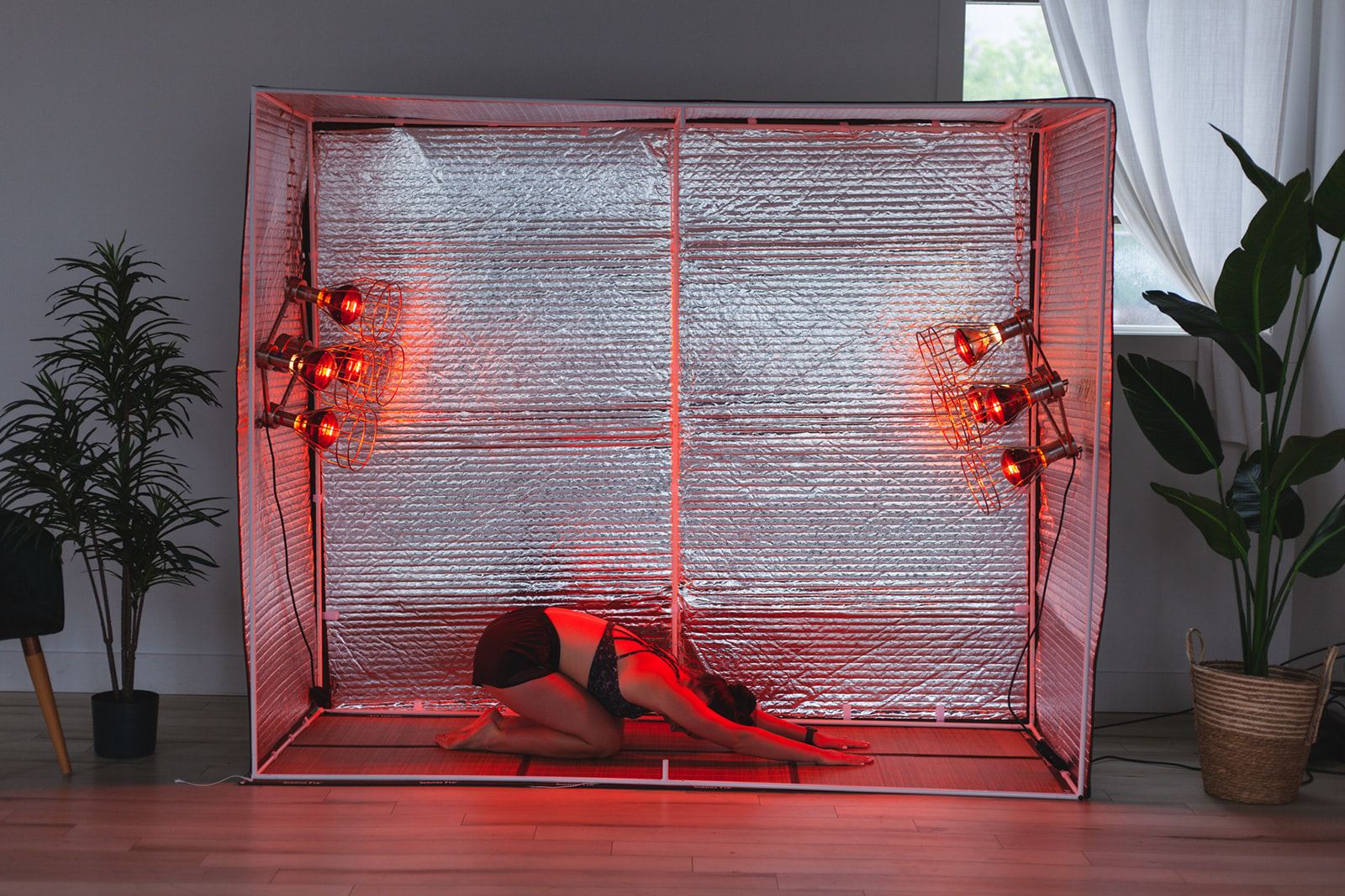
A morning session works like a deliberate warm-up for the day. Radiant heat raises your core temperature and gets circulation moving before your body has fully shaken off the night, and many people find they step out feeling looser and more alert — especially those who wake up stiff. Pairing gentle stretching with the heat can compound that effect, which is why the hot exercise sauna configuration suits morning people so well.
Morning sessions also have a practical advantage: fewer competing demands. The inbox is quiet, the family is asleep, and the session tends to survive busy seasons better than one scheduled after dinner.
The Case for Evening Sessions
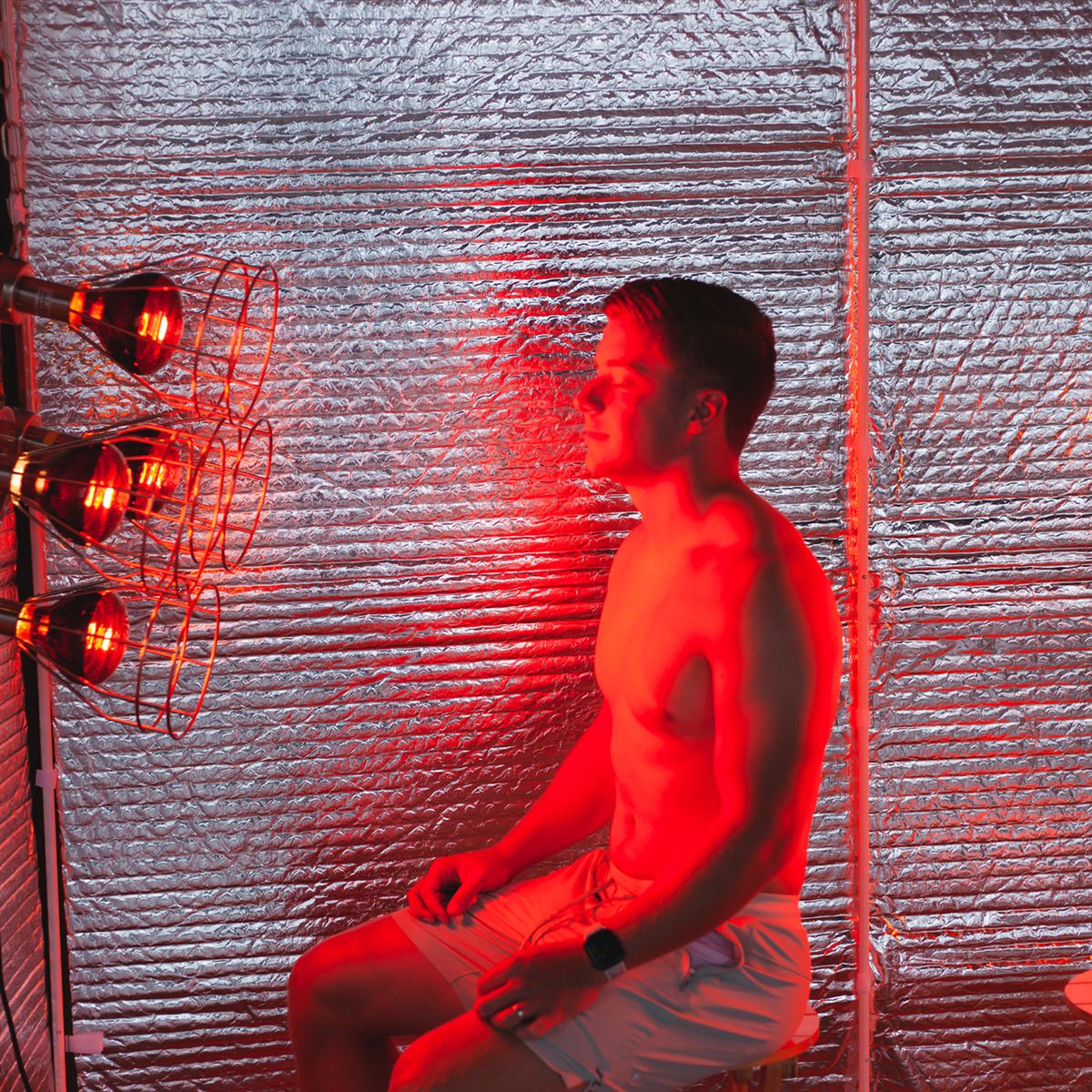
An evening session is about unwinding. The warm light and radiant heat encourage the kind of deep relaxation that helps the day’s tension drain away, and the post-sauna cool-down — that pleasant drop in body temperature after you towel off — dovetails naturally with preparing the body for sleep. Many people treat the evening sauna as a transition ritual: the boundary between the working day and rest.
If stress recovery is your main reason for owning a sauna, evenings are usually where the routine settles. Keep the session moderate and give yourself time to cool down and hydrate before bed.
The Cool-Down Is Doing More Than You Think
There is real physiology behind the evening recommendation, and it lives in the cool-down rather than the heat. Your body prepares for sleep by letting core temperature drift downward — it is one of the signals the brain reads as “night.” A sauna session deliberately raises core temperature; when you step out and cool off, the descent that follows is steeper than your normal evening drift. Many sauna users recognize the result: that heavy-limbed, ready-for-bed feeling an hour or so after an evening session. The practical rule that falls out of the mechanism: finish the session early enough that the cool-down lands before you want to be asleep — for most people, wrapping up one to two hours before bed feels about right — and treat the cool-down as part of the session, not an interruption of it.
Why the Sauna Fix® Doesn’t Force the Choice
Here is a perspective from the design side, because I made several decisions specifically so that timing could stay flexible. Traditional saunas run at air temperatures near 180°F — at that intensity, an evening session can leave some people too revved to sleep, and a morning session demands a long warm-up before work. I built the Sauna Fix® system around radiant lamps at a much gentler 110–140°F, where the light does the deep work and the heat stays companionable at any hour.
The tent format matters just as much. Because the system sets up in a bedroom corner and plugs into a standard outlet, an evening session is twenty steps from your pillow — no trek to a garage or gym, which is exactly the friction that kills evening routines in winter. And because the enclosure comes to temperature in minutes rather than the long preheat a wooden sauna room needs, a morning session fits inside a real morning, before coffee finishes brewing. I designed for both ends of the day on purpose: the routine that survives is the one your house makes easy.
Timing Around Workouts
If you train, the sauna slots most naturally after exercise, not before. Post-workout muscles are warm, circulation is already elevated, and the session extends that recovery window while the sweat finishes the job. Sauna before strength training is less ideal — you want your grip and alertness fresh, not deeply relaxed. The exception is gentle mobility work, which pairs beautifully with the heat itself; stretching or foam rolling inside a hot exercise sauna is a session and a workout in one.
What Matters More Than Timing
Consistency beats clock time. A modest session you take four or five days a week will serve you better than a perfectly timed one you rarely take. A few guidelines apply at any hour:
- Hydrate and remineralize — sweating releases fluids and minerals; replace both. A pinch of unrefined salt in your water is a simple habit.
- Start shorter than you think — ten to fifteen minutes is plenty while your body adapts.
- Rotate your body — lamp saunas warm the side facing the light, so turn periodically for balanced exposure.
- Listen to your body — end any session that stops feeling good, whatever the schedule says.
For the full science behind near infrared therapy — the spectrum, session protocols, and safety considerations — start with the Near Infrared Therapy pillar, and if you are brand new, the First Sauna Session guide walks you through session one step by step.
Run the 30-Day Experiment
If you genuinely cannot decide, stop deciding and start measuring — your own body will settle the question faster than any article can. The protocol is simple. Weeks one and two: morning sessions only, at whatever time your real schedule allows, keeping length and temperature consistent. Weeks three and four: the same sessions, moved to evening. Each day, jot three quick scores from one to five — how easily you fell asleep, how stiff the first minute out of bed felt, and whether the session actually happened. That third score is the quiet winner-picker: a timing slot that produces four missed sessions in two weeks has disqualified itself, whatever the other numbers say.
At the end of the month, add up the columns and keep the winner. Two notes from everyone who has run this: give each block the full two weeks, because the first few days of any new slot feel awkward before they feel natural — and expect the answer to change with the seasons. Dark winter mornings recruit a lot of people to the evening camp; bright summer evenings send them back. The tent does not mind moving with you.
Frequently Asked Questions
How close to bedtime is too close?
Give the cool-down room to finish: end the session one to two hours before you want to be asleep. If you step straight from the heat into bed, you may lie there warm and alert while your body is still shedding heat. The drowsiness arrives on the other side of the cool-down — schedule for it.
Can I take two sessions a day?
Once your body is well adapted, some people split a morning wake-up session and an evening unwind. If you do, keep both moderate, double your attention to water and minerals, and let your energy be the referee — feeling depleted the next day means one session was the right number. Build to it; never start there.
Should I sauna before or after a workout?
After, for anything strenuous — the session becomes part of your recovery. Before is fine only for gentle mobility work, and combining the two inside a hot exercise sauna is its own excellent practice.
Is it better to sauna on an empty stomach?
Comfortable is the standard: a full stomach and deep heat argue with each other, while running on fumes can leave you lightheaded. A small snack an hour beforehand suits most people, and water goes with you at any hour.
Does the time of day change the benefits?
The core benefits — the light, the sweat, the circulation — arrive whenever you do. What timing changes is which secondary effect you harvest: alertness and limberness in the morning, unwinding and sleep-readiness at night. That is a scheduling choice, not a quality difference, which is why the routine you keep beats the routine that looks best on paper.
Most people find near infrared sessions easy to build into daily life. If you are pregnant, take medications, or manage a condition affected by heat, your healthcare provider can help you shape a session plan that fits you.
Keep Exploring
- Near Infrared Therapy — the complete pillar guide
- Near Infrared Light: More Than a Sweat
- Near Infrared Sauna Therapy: A Starter Guide
- Sauna Fix® Complete Bundles
- Eight Near Infrared Sauna Benefits — on Creatrix Solutions
- 8 Near Infrared Sauna Benefits You Can’t Miss — on Wellness Shopping Online
- Sauna Solutions: Can You Exercise After an Infrared Sauna? — on Wellness Shopping Online
- Best Infrared Sauna Comparison — on Creatrix Solutions
- 10 Key Benefits of a Low EMF Infrared Sauna — on Creatrix Solutions
- 10 Key Benefits of a Low EMF Infrared Sauna — on Wellness Shopping Online