
I hold 10 U.S. patents and 6 international patents, and 9 of the 10 U.S. patents have been commercialized. Only 13% of patents worldwide are held by women, and 85% of patents never reach commercialization. All but 3 of my grants included rejected claims that were defended and revised before the patent issued. My book Invent It and Be Your Own Boss records the setbacks behind those numbers; below are 6 of them and the response each one required.
The Timelines: 4.5 to 5.5 Years From First Filing to Grant
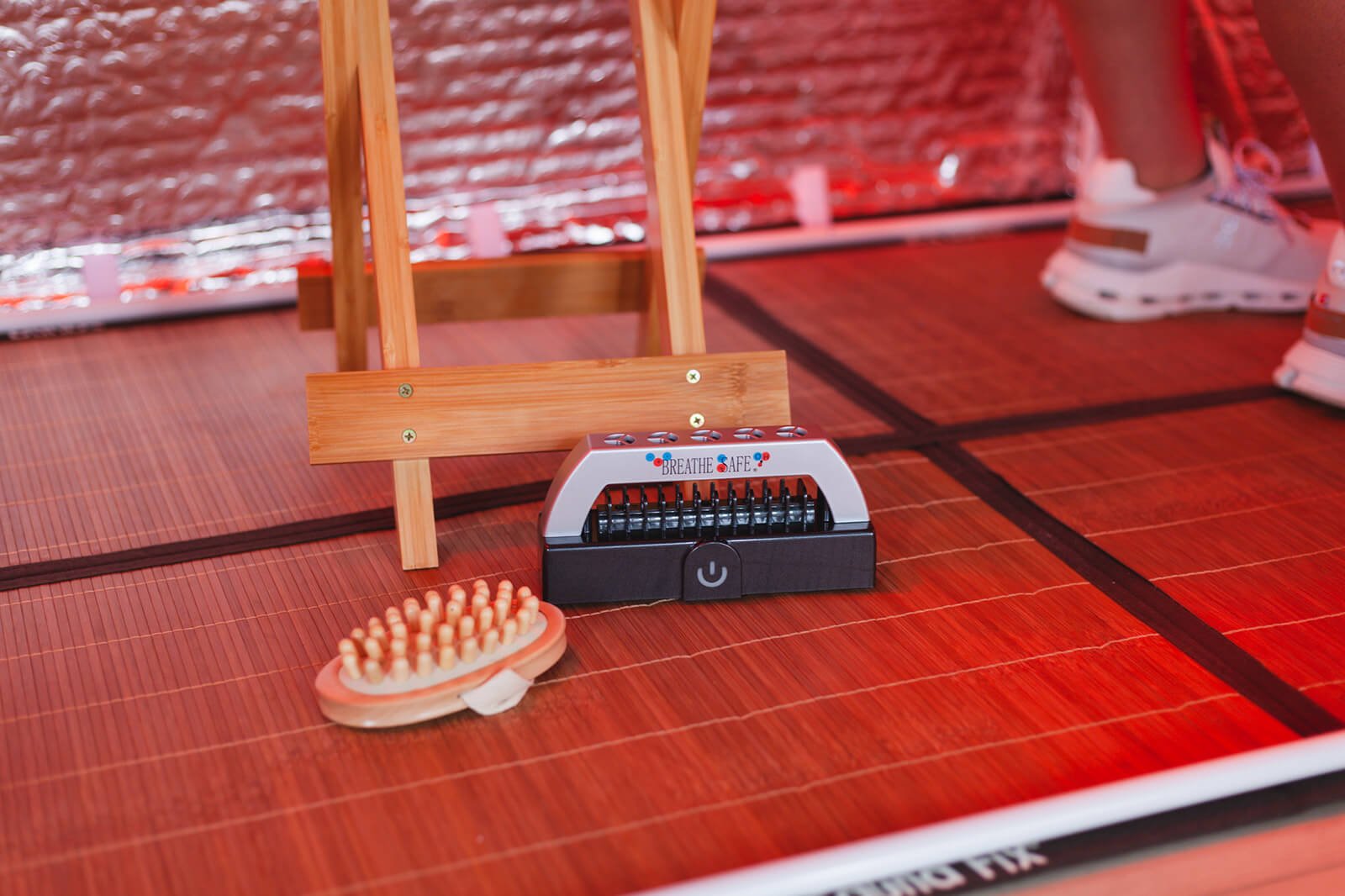
The Plasma Air Purifier (Breathe Safe, U.S. 10881757) started as a provisional application on July 17, 2015, became a PCT application on July 23, 2015 and a U.S. utility application on July 11, 2018, and was granted on January 5, 2021: 5 years and 5 months from the first filing. The Water Container with an Ozone Diffuser (U.S. 10967335) ran from a provisional on May 13, 2016 to a grant on April 6, 2021, just under 5 years. The Cushioning Posterior Fulcrum Back Shaper (U.S. 10966552) took 4 years and 6 months, from a provisional filed September 28, 2016 to the same April 6, 2021 grant date. Each of those years carried deadlines: a provisional expires after 12 months, a PCT application defers national filings for up to 30 months from the priority date, and an office action typically allows 3 months for a response, extendable to 6 months for an added fee.
Setback 1: The Prior Art Search I Skipped
Chapter 3 of the book describes an early idea where I skipped a comprehensive patent search for budget reasons, went straight into development, and learned at the utility patent stage that similar inventions were already patented. A patent has 3 requirements: the invention must be novel, non-obvious and useful. Prior art, meaning any earlier patent, publication or public use, can disqualify an application on the first 2. The response is to run a comprehensive search, with a patent search professional or attorney, before the development budget is spent; every prior-art rejection from an examiner also requires a paid response, so 1 search up front lowers the cost of prosecution later.
Setback 2: The Provisional Limit Nobody Explained
My first step on the near infrared sauna tent was a provisional patent, filed without my attorney explaining a limit: only the United States lets an inventor add claims and design features when converting a provisional. I converted the sauna tent provisional into a PCT application, and the tent was patented in 4 countries, the United States, Canada, China and Australia; the 3 international patents carry only the claims written into the original provisional. The tent design kept changing after that first filing: convertible brackets for standing or lying down, sizes from 4 x 4 x 5 feet to 3 x 4 x 6 feet 5 inches, and tent panel insulation raised from an R-value of 4.5 to 15. The response for anyone with international plans is to decide the PCT path before the 12-month provisional window starts and to keep the invention confidential until the claims are complete.
Setback 3: Filing Too Early for 1 Investor
A prospective investor approached me, and to support a business plan I filed multiple patent applications earlier than the development called for, and in Chapter 10 I record that I regret that timing. Each filing starts its own deadlines: 12 months on a provisional, 30 months on the PCT international phase, and paid office action responses after that. My advice there is to exercise caution with investors in the first stages of a startup and to file on the schedule the invention needs, since a business plan changes none of those 3 deadlines.
Setback 4: The 36-Hour PCT Deadline
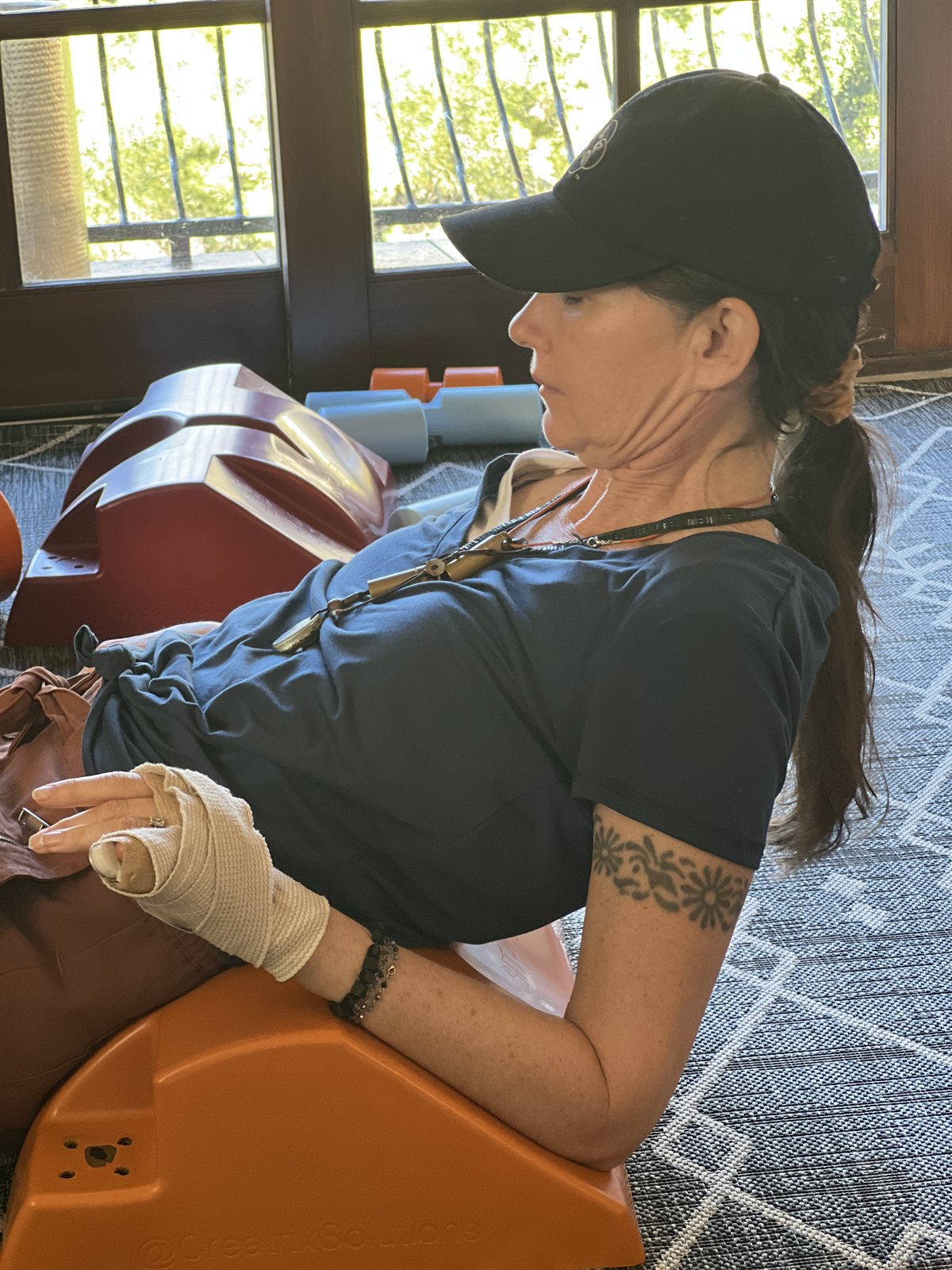
The Back Shaper, my posterior support equipment, went to a PCT application on September 28, 2017. A PCT application accepts no added claims later, so every claim and detail has to be in the 1 filing. I worked 36 hours without sleep to complete it. A missing element would have meant 1 of 3 costs: paid modifications, responses to examiner objections, or a final rejection. The Written Opinion of the International Searching Authority issued on December 26, 2017, a PCT continuation-in-part followed, the U.S. utility application was filed on March 28, 2019, and the patent was granted on April 6, 2021.
Setback 5: Rejected Claims and Borrowed Fees
Every interaction with the patent office has a fee, and all but 3 of my grants had rejected claims that I defended and revised before issuance. That is 13 of 16 grants with at least 1 paid response round; I had budgeted for filing fees only and borrowed money to keep the applications alive. The response options to an office action are 4: written arguments with claim amendments, additional technical evidence or expert opinions, an interview with the examiner, and an appeal within the patent office. A granted patent then carries maintenance fees at set intervals, so the budget for 1 patent runs from the provisional through the full term: 20 years from filing for a utility patent and 15 years from grant for a design patent.
Setback 6: Work Conditions Before the Patents
After high school I worked at the Hanford Nuclear Reservation, and later as a Nuclear Quality Engineer at power plants across the United States, including Diablo Canyon, where workers defied my inspections, vandalized coworkers’ property, threatened me and damaged my motorcycle. For 2 decades, the 1980s and 1990s, I worked twice as hard as my male counterparts until people recognized the quality of the work. At 50, in August 2011, I earned my Nutritional Balancing degree. After my mother’s death I changed from a workaholic schedule to seeing my body as my most valuable asset, and at 64 I feel better than I did in my twenties.
4 Rules From These 6 Setbacks
- Search prior art before spending on development.
- Choose the provisional, PCT or U.S. utility route before the first filing, knowing only the U.S. accepts added claims.
- Budget for office action responses on every application, not only the filing fees.
- File on the invention’s schedule, not an investor’s.
The full patent list, with numbers and dates, is on my patents page; the book’s chapters on prior art (3), applications (5), prosecution (6) and patent attorneys (7) cover each of these 6 setbacks in detail.
Keep Exploring
This article is for educational purposes only and is not medical advice. It draws on Invent It and Be Your Own Boss and is planning information, not legal, patent, tax or financial advice.