
Only 13% of patents worldwide are held by women. Chapter 1 of my book Invent It and Be Your Own Boss names 1 cause, that some women who seek advice on an invention have the idea taken, and its answer is mentorship in a confidential setting, with non-disclosure agreements as the norm, from someone who has been through the process. I have 10 U.S. patents and 6 international patents, and below are 7 steps drawn from the book for a first-time inventor, each with its deadline or number.
Step 1: Keep It Confidential Until the 1st Filing
Public disclosure before filing can disqualify an invention, and a disclosure more than 1 year before filing puts a U.S. patent at risk; every person who sees the invention before filing, from partners and manufacturers to investors, attorneys and prototyping subcontractors, signs a non-disclosure agreement first. The Action Workbook that accompanies the book has 20 sections and 8 bonus tools; Section 7 is a Confidentiality and Disclosure Plan with a disclosure log, and Bonus Tool 2 is an NDA Reminder Checklist. A dated inventor’s notebook (Workbook Section 8) records sketches, prototypes and every change, which documents when the invention was conceived and how it progressed.
Step 2: Search Prior Art Before Spending on Development
A patent has 3 requirements: the invention is novel, non-obvious and useful. Prior art, meaning any earlier patent, publication or public use, can defeat the first 2. Chapter 3 of the book describes the time I skipped a comprehensive search for budget reasons, developed the idea, and found at the utility patent stage that similar inventions were already patented. A first-time inventor runs the search first, with a patent search professional or attorney for the comprehensive version, and records each search in a log (Workbook Section 5 and Bonus Tool 4).
Step 3: Choose the Filing Route Before the 12-Month Provisional Window
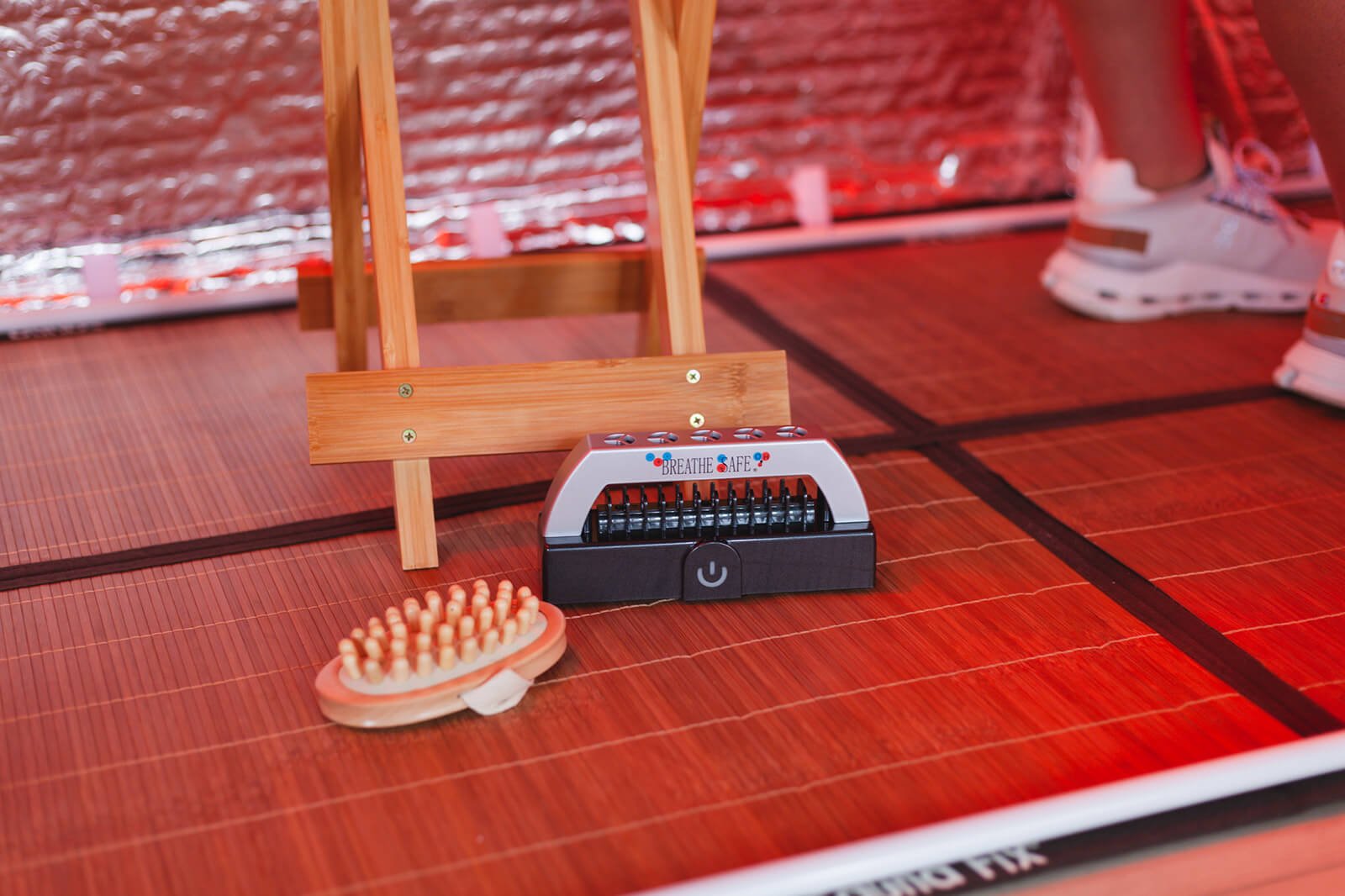
The 3 U.S. patent types are utility, design and plant. A utility patent protects function for 20 years from the filing date; a design patent protects ornamental appearance for 15 years from the date of grant. A provisional application costs less, secures an early filing date and “patent pending” status, carries 0 enforceable rights, and expires after 12 months unless a non-provisional or PCT application is filed in that window. A PCT application allows up to 30 months from the priority date before each national application is due, and every PCT country uses the original disclosure; of the 3 application types (provisional, PCT and U.S. non-provisional), only the U.S. non-provisional accepts added claims and design features after the first filing. My attorney did not explain that limit before I filed the sauna tent provisional, so the tent’s patents in Canada, China and Australia carry only the claims written into that provisional.
Step 4: Use the PCT Written Opinion
A PCT filing produces an International Search Report listing prior art and a Written Opinion of the International Searching Authority (WOISA), a preliminary, non-binding opinion on patentability. The opinion arrives before the U.S. utility deadline, so an inventor can refine claims with it even with 0 plans to file abroad. On the Water Container with an Ozone Diffuser, I filed a provisional on May 13, 2016 and a PCT application on August 26, 2016. The WOISA found the invention met all patentability criteria, so the design went into the U.S. national phase unchanged, and U.S. patent 10967335 was granted on April 6, 2021 and assigned to Creatrix Solutions LLC.
Step 5: Interview 2 to 3 Patent Attorneys
Chapter 7 of the book recommends consultations with 2 to 3 attorneys and 5 questions for each one:
- Experience: how long have they practiced patent law, and with which inventions like yours?
- Expertise: does their technical field match the invention, and do they follow the relevant case law?
- Success rate: how often do they obtain patents for clients with similar inventions?
- Communication style: do they explain legal concepts clearly?
- Fees and billing: what is the fee structure, and are payment options flexible?
Bring sketches, prototypes, research reports and a competitor analysis to the 1st meeting, and discuss an NDA before sharing details. Workbook Section 12 holds an attorney interview worksheet, and Bonus Tool 3 is a Patent Attorney Call Prep sheet. Add 1 question to the 5: “Can I add claims to this provisional when it becomes a PCT application?” The answer is no, and an inventor with international plans needs it before filing.
Step 6: Review Every Draft Yourself
Chapter 1 of the book lists close review as 1 of its 9 tips from experience: by reviewing my own applications, I found several errors in the legal claims and descriptions before filing. The inventor knows the invention better than anyone else in the process, so read every claim and description and schedule regular check-ins with the attorney before each of the 3 filing stages: provisional, PCT and non-provisional. At the PCT stage there is 1 application and no later additions, so the full claim review happens before that filing date, not after it.
Step 7: Expect Office Actions and Budget for Them
All but 3 of my 16 grants had rejected claims that were defended and revised before the patent issued. An office action typically allows 3 months for a response, extendable to 6 months for an added fee. The response options are written arguments with claim amendments, added technical evidence or expert opinions, an interview with the examiner, and an appeal within the patent office; the common forms are PTO/SB/30 (Response to Office Action) and PTO/SB/32 (Amendment After Final Rejection). A continuation keeps the parent’s priority date with new claims, a continuation-in-part (CIP) adds new subject matter with a new priority date for those claims, and a divisional splits out a separate invention after a restriction requirement; all 3 must be filed while the parent application is still pending. Each of those 3 filings carries a fee, and a granted patent adds maintenance fees at set intervals.
What a Mentor Covers and What an Attorney Covers
Chapter 5 of the book recommends a patent attorney or agent for the legal work: patentability opinions, claim drafting and filing. A mentor covers the 7 steps above, the questions to bring to the attorney, and the commercialization decisions that follow the grant. The Action Workbook, with its 20 sections, states that it is a planning tool and not legal, patent, tax, financial or business advice, and mentorship drawn from the book carries the same limit.
Keep Exploring
This article is for educational purposes only and is not medical advice. It is planning information from Invent It and Be Your Own Boss and is not legal, patent, tax or financial advice.