Only 13% of patents worldwide are held by women, and 85% of patents never reach commercialization. I hold 10 U.S. patents and 6 international patents, and 9 of the 10 U.S. patents are commercialized. Those 3 numbers come from my book Invent It and Be Your Own Boss, and this article covers the business side of inventing as a career: how a patent earns income, what the patent process costs, and the 2 federal programs that offset research spending.
The 4 Ways a Patent Earns Income
An inventor has 4 commercial routes for a patented product. The first 3 are the ones the book names: license the invention to another company, manufacture and market it yourself, or sell the patent outright. The fourth is the one I added for my spinal products: an education and certification program built around the equipment.
- License: another company manufactures and sells under an agreement. I currently hold 2 patents I plan to license.
- Manufacture and sell: you carry the production, inventory, marketing and customer service. This is the route I use.
- Sell the patent: a one-time transfer of the rights.
- Educate and certify: a training program that teaches professionals to use the patented equipment.
The book lists 6 areas of knowledge an inventor needs before choosing one of the 4 routes: market research on the target audience and competitors, technical knowledge of production and material requirements, financial literacy for funding and pricing, resilience, intellectual property rights, and a team of manufacturers, mentors or co-founders.
Building on an Existing Client Base
After I earned my Nutritional Balancing degree in August 2011, I started a small business that used hair tissue mineral analysis lab testing to design detoxification, nutrition, diet and supplement programs for clients. Since 2011 I have worked with people in more than 91 countries. While working with those clients, I identified problems with existing equipment and designed better equipment to solve them.
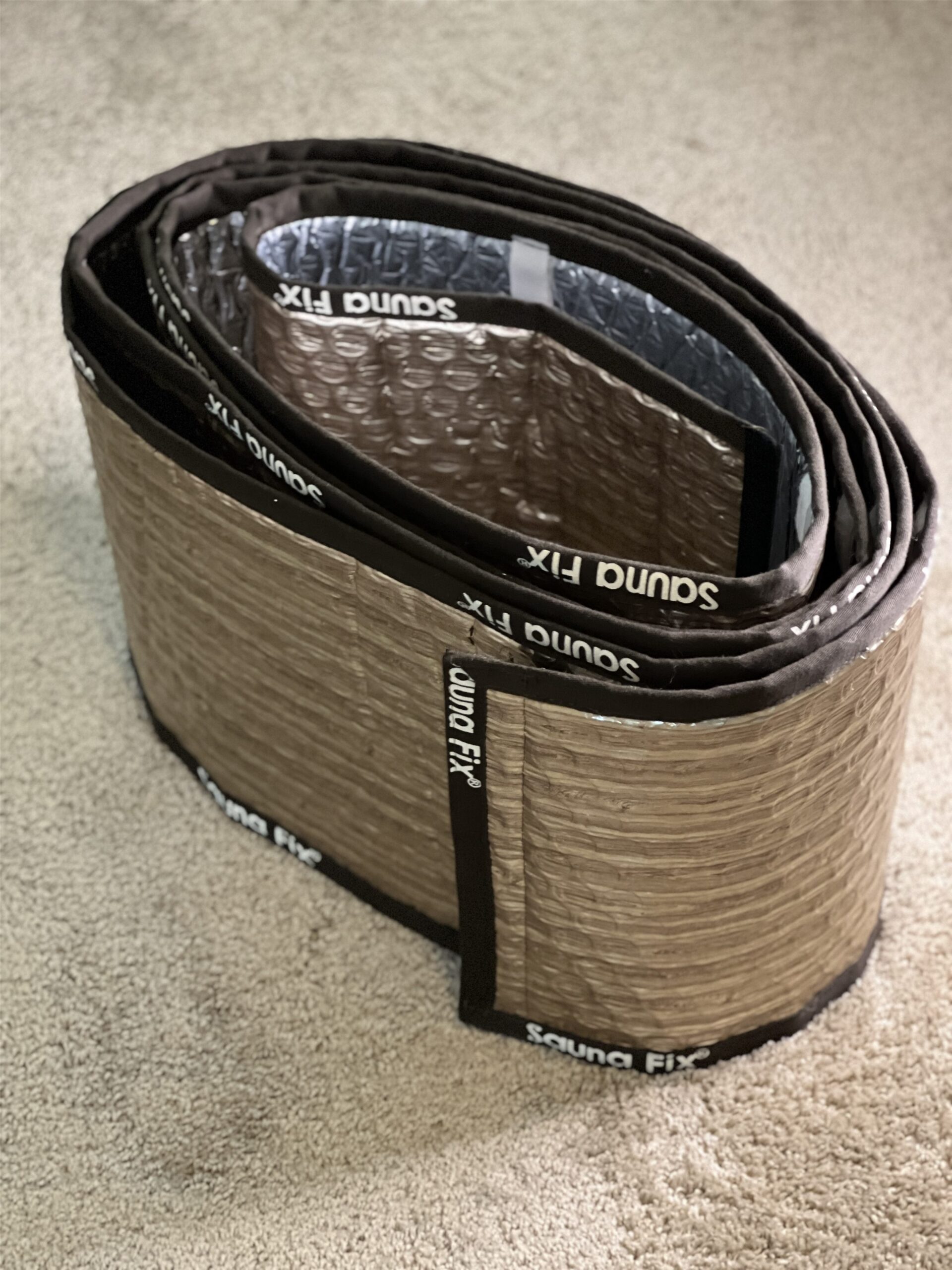
2 products came directly from customer behavior. My original sauna tent measured 4 feet by 4 feet and 5 feet tall, and the user crawled in and sat on a stool. One customer turned the tent on its side and lay in it diagonally. That led to the convertible sauna tent, with brackets that convert it from a sitting or standing sauna to one a person 6 feet 5 inches tall can lie down in. A second customer with back and leg pain took a coffee enema standing up and rolled the bag to move the water. I designed a glass jar, adapter and pump assembly with long tubing and a rectal tip so the enema can be done standing in the shower, which became the Enema Fix.
The book gives 3 advantages of this route: reduced upfront costs, with no heavy investment in manufacturing or marketing before the idea is validated; direct feedback from people already using the product; and a customer base that exists before the product scales. Building products for my own clients let me keep 100% ownership of my company.
Education as a Commercialization Channel
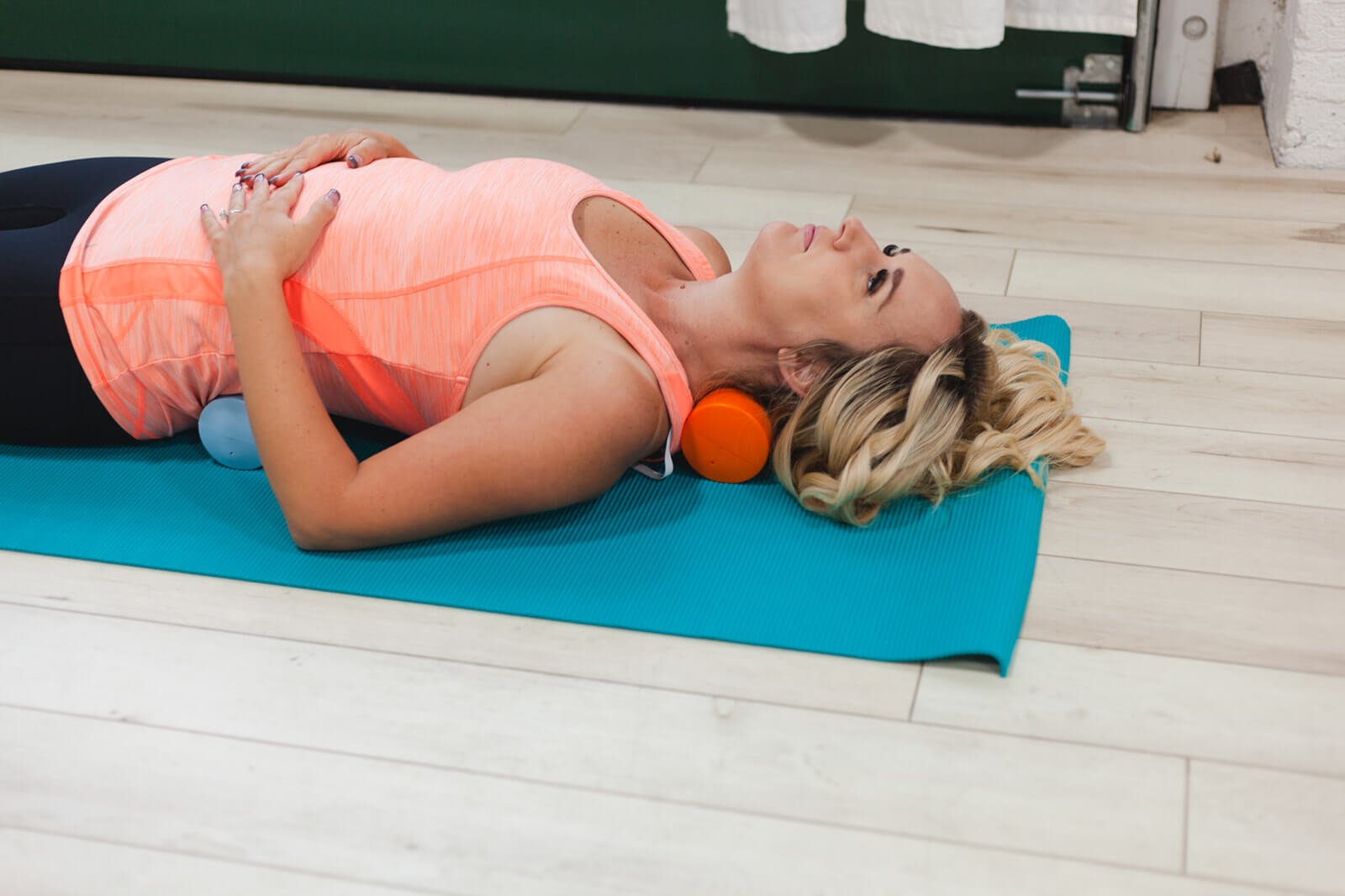
For my spinal fitness patents, I created the Spinal Fitness Training and Certification Program, with 4 levels:
- Level 1, Spinal Fitness Basics: anatomy of the spine, basic leverage techniques, locomotion principles, and why the spine needs its S shape.
- Level 2, Posture Evaluation and Exercises: posture assessment, exercises to avoid, and the 5 essential steps for training clients.
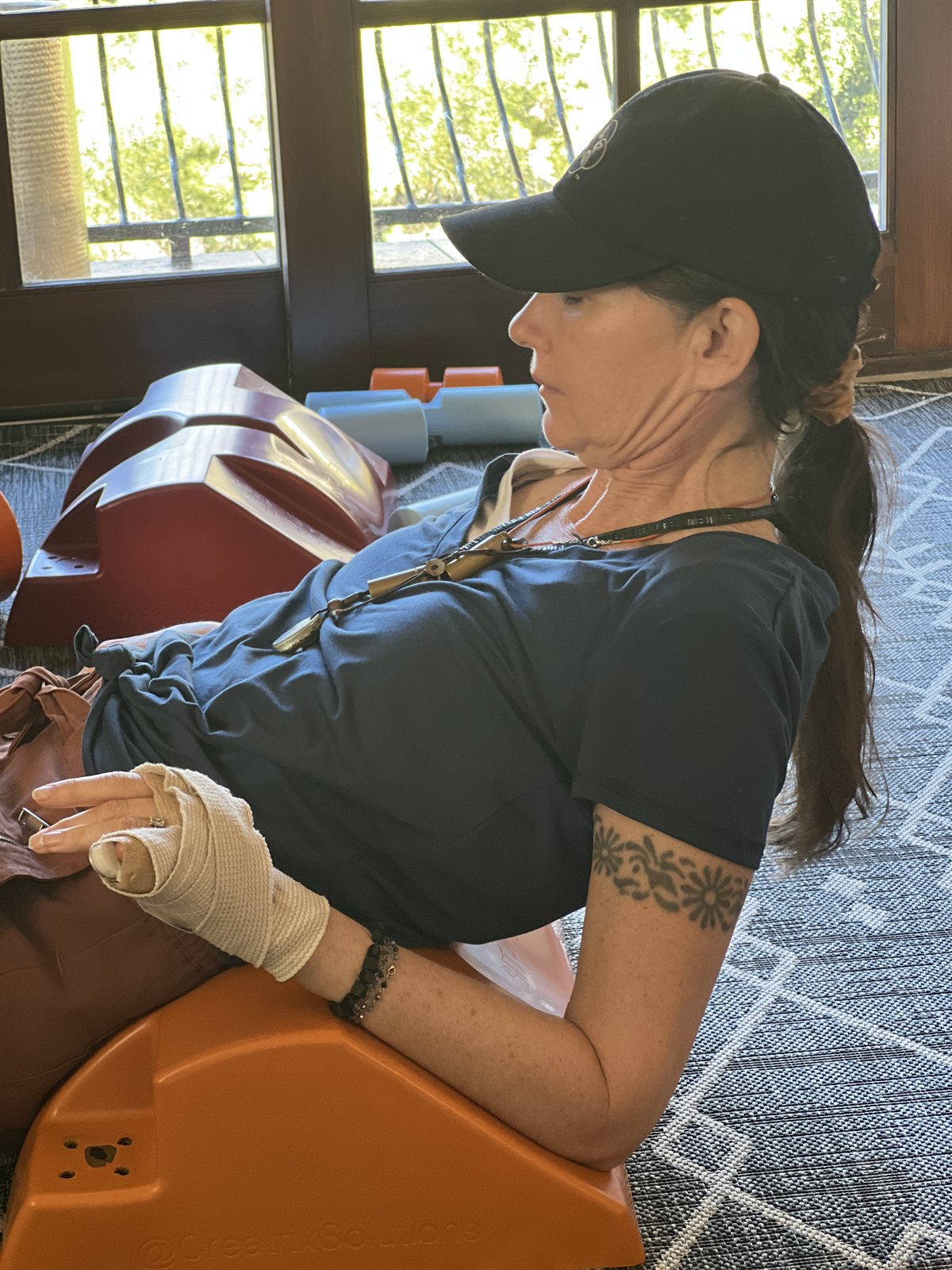
- Level 3, Exercise Techniques and Equipment: the orthopedic effects of exercises and use of the specialized spinal fitness equipment.
- Level 4, Trainer of Trainers: demonstrated competency in exercise form, client evaluation and lecturing.
Level 3 and Level 4 trainers attend an annual workshop to keep their certification and pay a monthly licensing fee for ongoing resources and support. The program adds monthly licensing fees to the sales of the spinal equipment itself.
What the Patent Process Costs
Every exchange with the patent office, from a claim revision to a written argument, carries attorney or agency fees, and all but 3 of my patent grants included rejected claims that had to be defended and revised before the patent issued. Those fees were outside my original budget, and I borrowed money to pay them and keep the applications alive. The book sets the response window to an office action at 3 months, extendable to 6 months for an additional fee.
Prototype spending rises with each version, because each prototype may cost more than the last one, so the book makes development and testing a priority budget line in which every failed prototype supplies the lessons for the next one.
At a prospective investor’s request, I filed several patents early so they could appear in a business plan, and I regret that timing. A provisional application expires after 12 months, and a non-provisional or PCT application has to be filed inside that window to keep the original filing date, so a filing made for an investor starts that 12-month count before the design is finished.
When supply chains broke down and manufacturing stalled during the pandemic declared in 2020, I outsourced production and reworked my processes so orders kept shipping.
The R&D Tax Credit
The federal research and development tax credit, set out in Section 41 of the Internal Revenue Code, reduces tax liability dollar for dollar for qualified research expenses incurred in the United States. Under Section 41, qualifying expenses include wages paid to employees directly involved in research, materials and supplies used in research, and certain software used for research, and a claim needs records of the research project, employee time and material costs.
I learned about the credit after filing my 2019 taxes. I amended that return within the 3-year amendment window, then amended my 2020 and 2021 returns, and claimed the credit on my original 2022 filing. The total came to just over $55,000 in tax credits, against more than $9,000 in CPA fees.
National Science Foundation Grants
NSF grants fund fundamental and applied research for universities, nonprofit organizations and some for-profit companies, and run from 1 to 5 years. Many programs use a 2-step process, a project pitch first and then an invitation to submit a full proposal, and both steps must match the program’s Summary of Program Requirements, because a proposal outside that scope receives a prompt rejection.
An applicant must be registered on 3 websites: SBIR.gov, Research.gov and Sam.gov. I once spent weeks preparing a grant proposal and found at the last minute that those 3 registrations were still outstanding, and the processing time put the proposal past the deadline.
Keep Exploring
This article is for educational purposes only and is not medical advice. It is also not legal, patent, tax or financial advice; consult a patent attorney and a tax professional for decisions about your own invention.