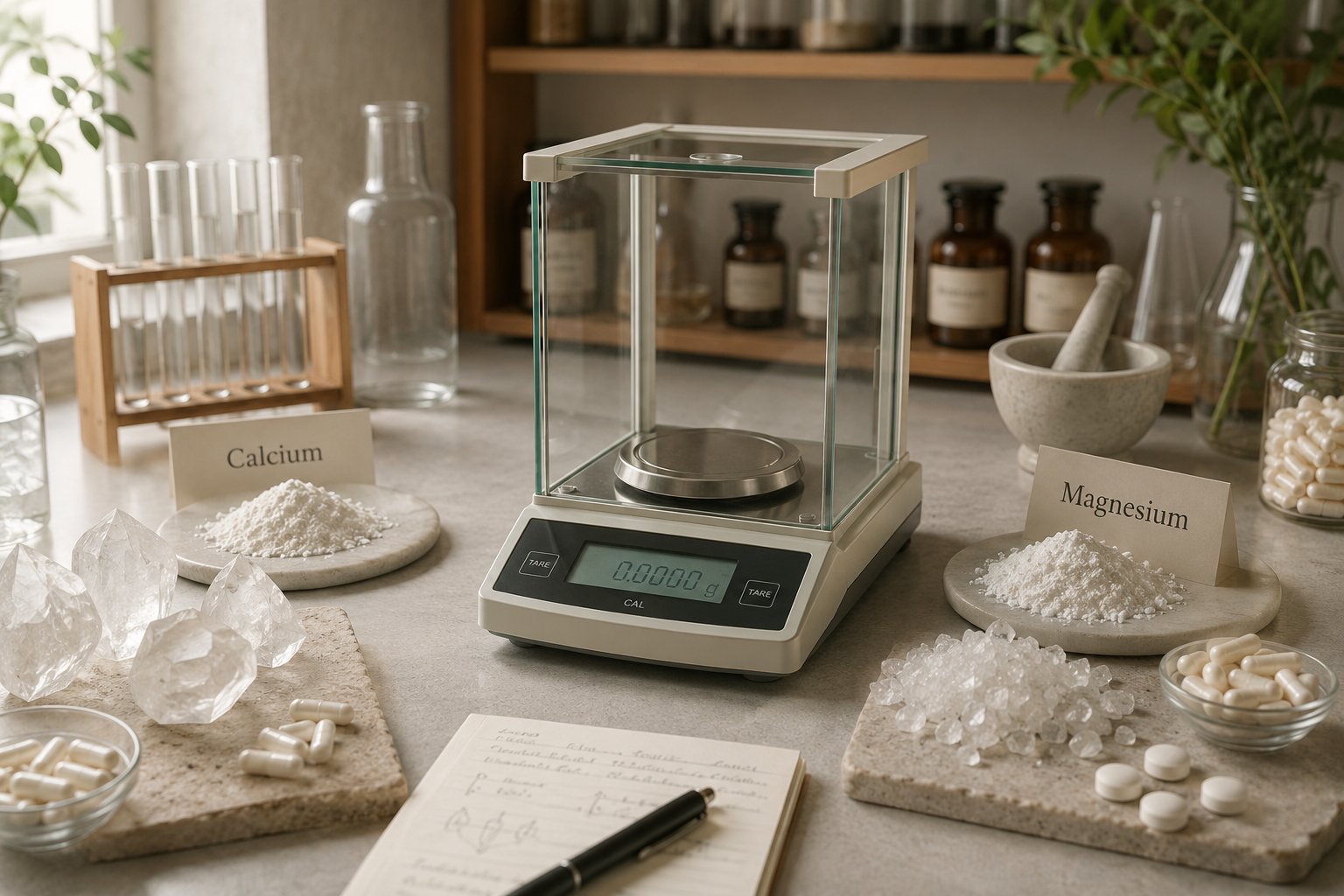

From January to July 2026, my Hume scale and band readings recorded a gain of 11 pounds of muscle and a loss of 12 pounds of fat, a net change on the scale of about 1 pound over 7 months.
A bathroom scale reports one total: muscle, fat, water and bone together. An 11-pound gain in muscle and a 12-pound loss in fat change that total by 1 pound, so a scale used alone would have recorded those 7 months as no result.
Two periods, two kinds of change
Between 2017 and 2020 I went from a size 14 to a size 6 and finished more than 30 pounds lighter; in that period the scale and the clothing size moved in the same direction. From January to July 2026 the total held within about 1 pound while my body composition changed by 23 pounds: 11 pounds added as muscle and 12 pounds removed as fat.
What I changed from January to July 2026
I lifted 2 days a week for the full 7 months, two strength sessions every week, without excessive lifting to failure, and walked 3 days a week. I increased my meal frequency, and I timed protein and carbohydrate before and after each lifting session. From my genetic report I added methylation support and raised my choline intake; the choline source I added was Empirical Labs Phospholipid Complex.
What my genetic report showed
Genetic variants can influence nutrient requirements and metabolic pathways. I use genetic information alongside symptoms, history and laboratory data to help identify appropriate nutritional support.
My report rated methylation impact VERY HIGH (MTHFR TT), with the note to “prioritize B vitamins, choline, and folate,” and choline requirement VERY HIGH (PEMT CC), described as a “significant requirement for dietary choline.” It rated recovery HIGH, with the note “likely need daily support to recover,” and training response LOW. It rated endurance MEDIUM, with the note that “numerous health benefits can be achieved at lower intensities.” Those 5 ratings account for 3 items on my list: the methylation support and choline, the training volume held at 2 lifting sessions a week, and the 3 days of walking.
What the hair-test literature says about strength training
Analytical Research Labs (ARL) sets the order in its 1991 Weight Lifting Document: “It is important to build health first and strength second.” The document’s muscle-building points are mineral-specific.
Zinc is required for RNA transferase, “an enzyme involved in all protein synthesis,” and the document states that “if a training program is not working, zinc may be deficient,” with copper or cadmium toxicity able to interfere with zinc. Chromium “is considered an important anabolic mineral.” Imbalanced calcium and magnesium interfere with nutrient transport across cell membranes. Vitamin E protects enzyme systems from oxidant damage, and vitamin A is synergistic with zinc.
On diet, the document states that most people need 30 to 60 g of protein daily and sets the rest by oxidation type. Slow oxidizers can do well on more carbohydrate provided adequate protein is included. Fast oxidizers do better with fats and oils as the main calorie source, because excess carbohydrate and grain phytates lower calcium, magnesium and zinc. ARL’s athlete material adds that its normal values “were developed by working with athletes in peak condition,” and that a chronic catabolic state can impair the normal recovery of sports injuries.
ARL’s material on weight and eating habits covers meal frequency. Slow oxidizers may do best on small protein meals up to 5 times a day, and skipping meals “can add stress that can cause the body to retain fat.” Its eating mechanics are regular sit-down meals, eaten slowly and chewed thoroughly, with at least 5 to 10 minutes of sitting after eating before activity resumes. The same material states that “moderate and even gentle regular exercise has a very beneficial effect.”
The catabolism marker on a hair test
ARL’s athlete material names the hair-test sign of tissue breakdown: “A low sodium/potassium ratio or an abnormal phosphorus level in an unwashed hair sample are associated with excessive protein breakdown or catabolism.” Trace Elements puts the ideal Na/K at 2.4; Analytical Research Labs uses 2.5, and I read the range between them. A Na/K that trends below that range during a training period is read as excessive protein breakdown.
ARL’s sign of adrenal burnout from compulsive exercise is fatigue after exercising that “even resting for several days” does not relieve, and its stated response is to reduce the exercise program, with “several months to several years” given for recovery. Each hair reading averages 2 to 3 months of growth, so a retest every 3 to 5 months shows whether the Na/K, zinc and calcium-to-magnesium readings trend toward building or toward breakdown under a given training load.
Measuring the two numbers separately
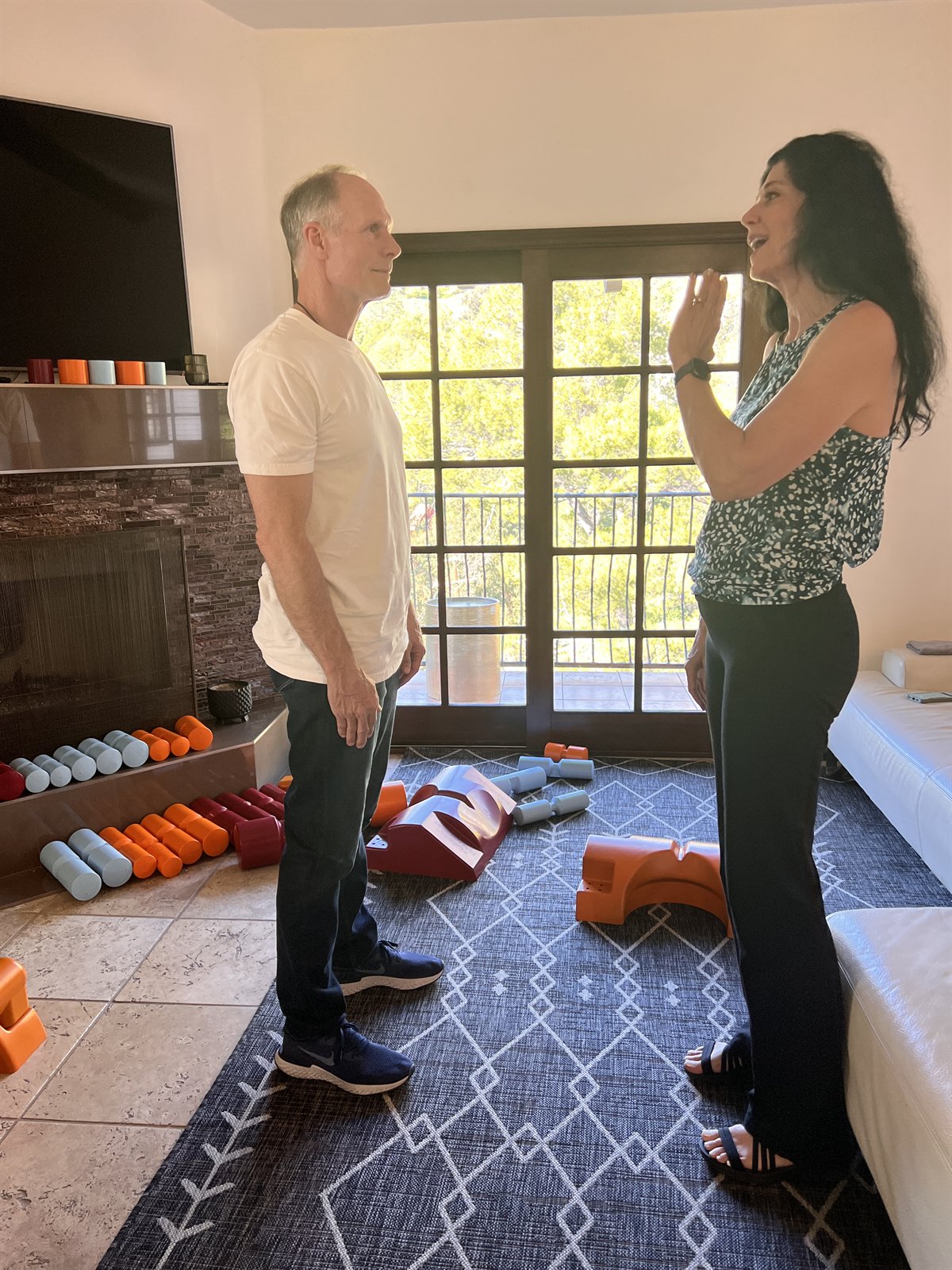
My 2026 muscle and fat figures are my Hume scale and band readings; the scale total alone showed a 1-pound change. A hair tissue mineral analysis measures neither number. It is a screening test of mineral patterns, and its Na/K, zinc and calcium readings show whether the trend underneath supports 2 lifting sessions a week or calls for more recovery days. I offer personal training at Spinal Fitness in Kennewick.
Keep Exploring
This article is for educational purposes only and is not medical advice. The results described are one person’s measurements.