
Training gets all the attention. Recovery gets whatever is left over — usually the couch and a screen. But the body adapts, repairs, and grows stronger during recovery, not during effort, and people who treat recovery as a skill tend to get more from everything else they do. The easiest way to practice that skill consistently is to give it a home: one corner of one room, set up so that recovering well is the path of least resistance.
What Recovery Actually Is
It helps to be literal about the mechanism, because “recovery” has been marketed into mush. Effort — a workout, a long day of sitting, a stressful week — creates the stimulus; the adaptation happens afterward, when the nervous system downshifts and the body gets the resources to rebuild. Muscle repairs between sessions, not during them. Discs rehydrate when the spine is unloaded and gently moved, not while it is compressed in a chair. And none of the rebuilding proceeds well while the stress response is still running the show, which is why genuine recovery always has two ingredients: something that restores the tissue, and something that convinces the nervous system the emergency is over. A good recovery corner serves both.
Why a Corner Works
Habits follow environment. When the foam rolls live in a closet, the roll-out happens on ambitious days. When they live in a dedicated corner — visible, arranged, pleasant to use — the ten-minute evening routine happens on ordinary days too, and ordinary days are where results come from.
Building Yours
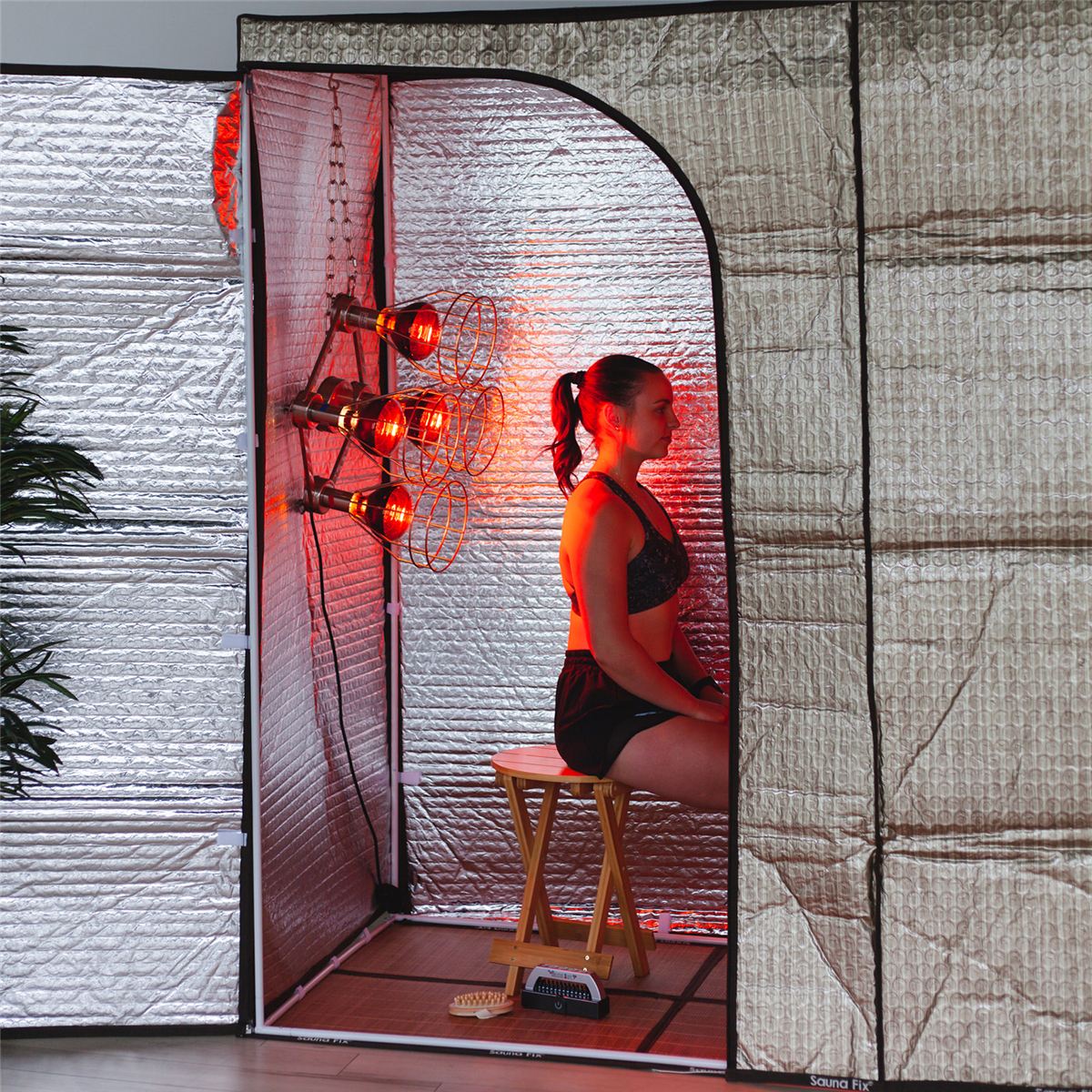
A complete recovery corner is smaller than most people expect:
- A floor space just bigger than you — enough to lie down with arms out. A comfortable organic rug or mat marks the territory and makes the floor inviting.
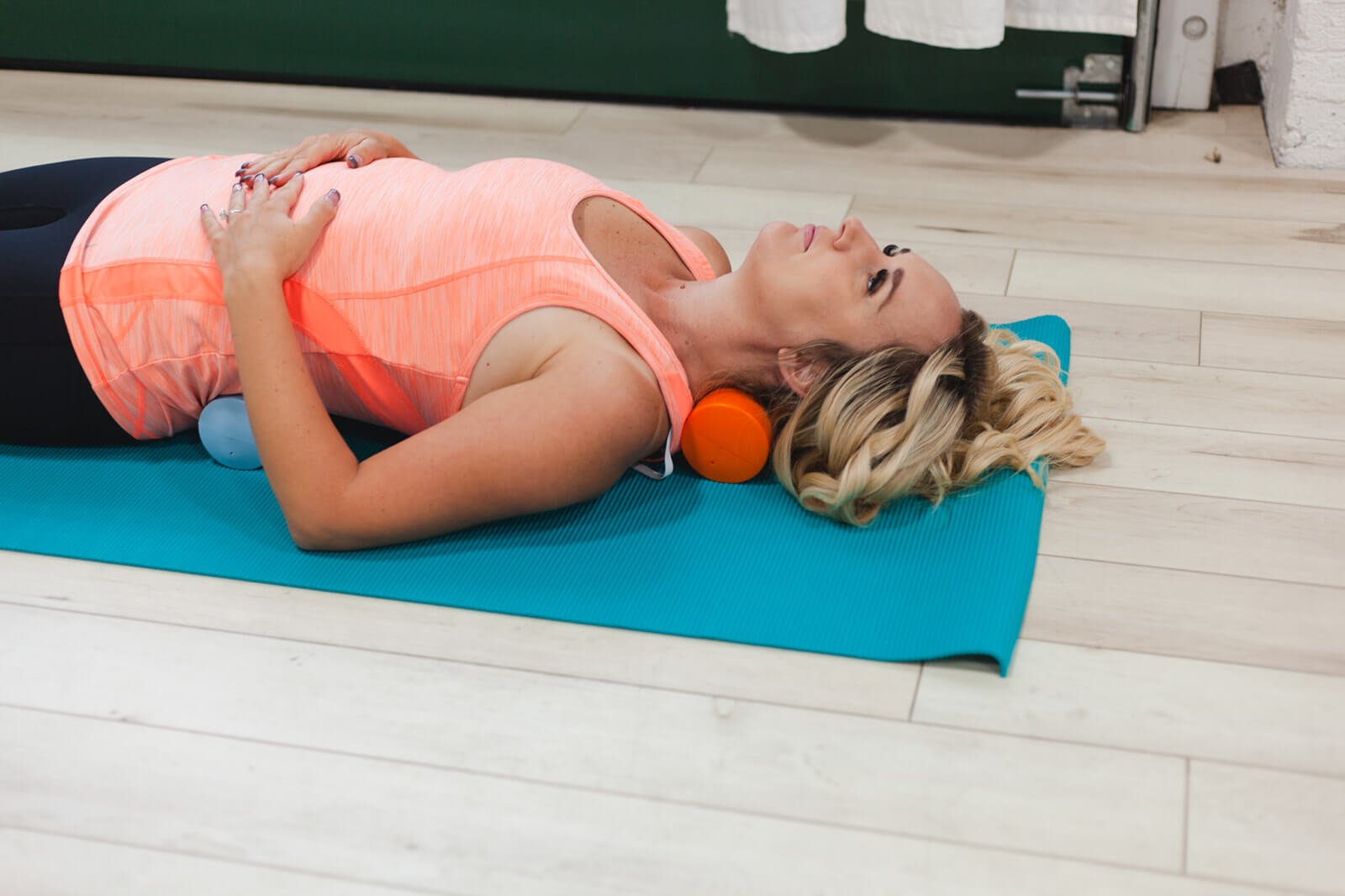
- Spinal tools within reach — foam rolls sized for your spine for extension work after a day of sitting.
- Heat, if you have it — a portable near infrared sauna turns the corner into a full recovery station; even the lamp alone brings radiant warmth to tight tissue.
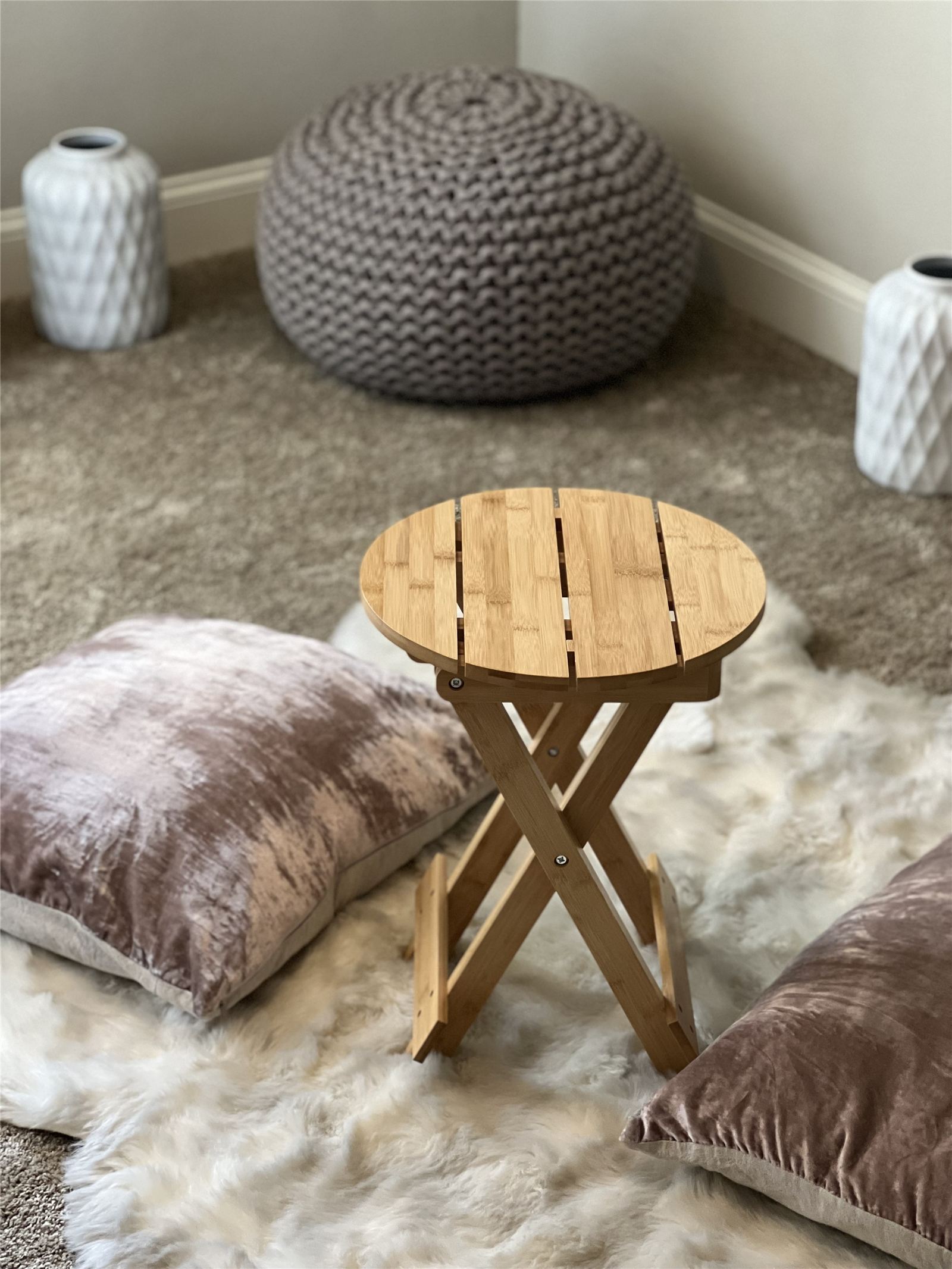
- A stool or seat — for post-session cool-downs, sock removal, and the simple act of staying in the corner a few minutes longer.
I Design for the Corner, Not the Clinic
A confession from the product-development side: the recovery corner is not just something I recommend — it is the design brief behind nearly everything I have engineered. My own recovery had to happen at home, in ordinary rooms, on ordinary evenings, because that is where consistency lives. So every tool had to pass what I came to call the corner test: does it fit in a home, set up in minutes, and invite daily use without ceremony?
That test is why the Sauna Fix® became a tent that stands in a bedroom corner and packs away — not a cedar room requiring a contractor. It is why the foam rolls come in graduated diameters and densities that stack in a basket rather than a rack of gym equipment, so the right roll for your neck and the right roll for your mid-back are both an arm’s reach from the mat. It is why the Breathe Safe® draws two watts and lives on a side table. Clinical equipment optimizes for the practitioner who uses it fifty times a day; I optimize for the person who needs to use it once a day, every day, for years — because in recovery, the tool you use daily beats the better tool you visit weekly, every single time.
The Ten-Minute Habit
The corner earns its space with a simple evening sequence: a few minutes over the rolls to restore extension, gentle stretching while the tissue is warm, and a quiet cool-down. On sauna days, the sequence wraps around the session. On busy days, even five minutes keeps the habit alive — and the habit is the point.
If you want the sequence spelled out: two or three minutes of mid-back extension over the roll, unwinding the day’s sitting; a gentle minute for the neck curve on its smaller roll; a stretch for whatever the day tightened — hips for the desk-bound, shoulders for the drivers; then a few slow breaths, sitting on the stool, doing absolutely nothing. That last step looks like the skippable one and is quietly the most important: it is the nervous-system half of recovery, and it is the reason the corner should be pleasant enough to linger in.
Growing the Corner Over Time
Nobody should furnish a recovery corner in one shopping trip — the corner earns additions by proving the habit first. Month one costs almost nothing: a mat or rug you already own, one properly sized foam roll, and the ten-minute evening slot. That is a complete, working recovery corner, and if the habit does not survive month one, you have learned that cheaply. Month two, once the mid-back work is routine, add the smaller neck roll and the second density — the progression tools that keep the practice advancing rather than plateauing. The heat comes last, precisely because it is the biggest line item: by the time you add a lamp or tent, you already know you use the corner daily, so the investment lands on proven ground rather than good intentions. The wrong order — heat first, habit later — is how expensive equipment ends up as a coat rack. Corners built in this sequence do not become coat racks; they become the most-used square meter in the house.
The Same Corner, Different Jobs
What makes the corner earn permanent floor space is how many jobs it does. After a workout, it is where warm tissue gets rolled and stretched while it is most receptive. After a desk day, it is where flexed spines get their extension back — arguably a heavier recovery workload than any gym session creates. During a stressful season, it is where ten unplugged minutes happen because the mat is there and the phone is not. The equipment does not change; the emphasis does. That versatility is why one corner outperforms a closet of specialized gadgets: it is a place, and places get used.
Recovery sits at the center of the Healthy Aging & Resilience pillar for a reason: the people who age with strength are rarely the ones who trained hardest. They are the ones who recovered best, most often, for the most years.
Frequently Asked Questions
How is a recovery corner different from a home gym?
Opposite jobs. A gym corner is built to create stress — load, effort, intensity. A recovery corner is built to resolve it. Combining them tends to fail as a habit, because the barbell stares at you while you are trying to downshift. If space forces them together, at least give recovery its own mat and its own trigger time of day.
When is the best time to use it?
Evening, for most people — the day’s sitting has done its damage, the extension work directly reverses it, and the wind-down flows into sleep, which is the deepest recovery tool anyone owns. Morning corners suit those who wake stiff. The honest answer is the familiar one: the time you will actually keep.
I live in a small apartment — does this still work?
The corner was designed for exactly that constraint. The footprint is one body-length of floor, the rolls store in a basket, and a sauna tent packs down when guests come. A recovery corner is the rare wellness upgrade that asks for less space than an armchair.
Do I need the heat to get results?
No — the rolls and the routine deliver on their own, and that is the right starting point. Radiant heat is the amplifier: warm tissue releases more readily, and the session adds the sweating and circulation story on top. Start with the floor work, add the lamp when you are ready, and let the corner grow with you.
How do I know it’s working?
Keep two informal scores: how stiff the first minute out of bed feels, and how quickly you unwind at night. Both usually begin shifting within a few weeks of daily use. The corner is also self-reporting in a sneakier way — when you start missing it on travel days, the habit has taken root, and the habit was always the goal.
Start with whatever corner you have and the tools you already own — the routine matters more than the equipment, and the corner can grow with you.