
People buy a near infrared sauna for the sweat. They keep using it for everything that happens before and after the sweat — and most new owners have no idea what that everything actually is. Walking through a session minute by minute changes how you use it: once you know what each phase is doing, you stop rushing the parts that matter most.
Before the Lamps: The Two-Minute Setup
A session starts with water, not heat. A glass before you step in gives your body something to spend, and it is the difference between finishing refreshed and finishing wrung out. Skin goes in bare and clean — near infrared works at the skin, so lotions, makeup, and heavy sunscreen residue literally stand in the light’s way. Many people add a minute of dry brushing here; the same wake-the-skin logic applies.
Minutes 0–5: Light Before Heat
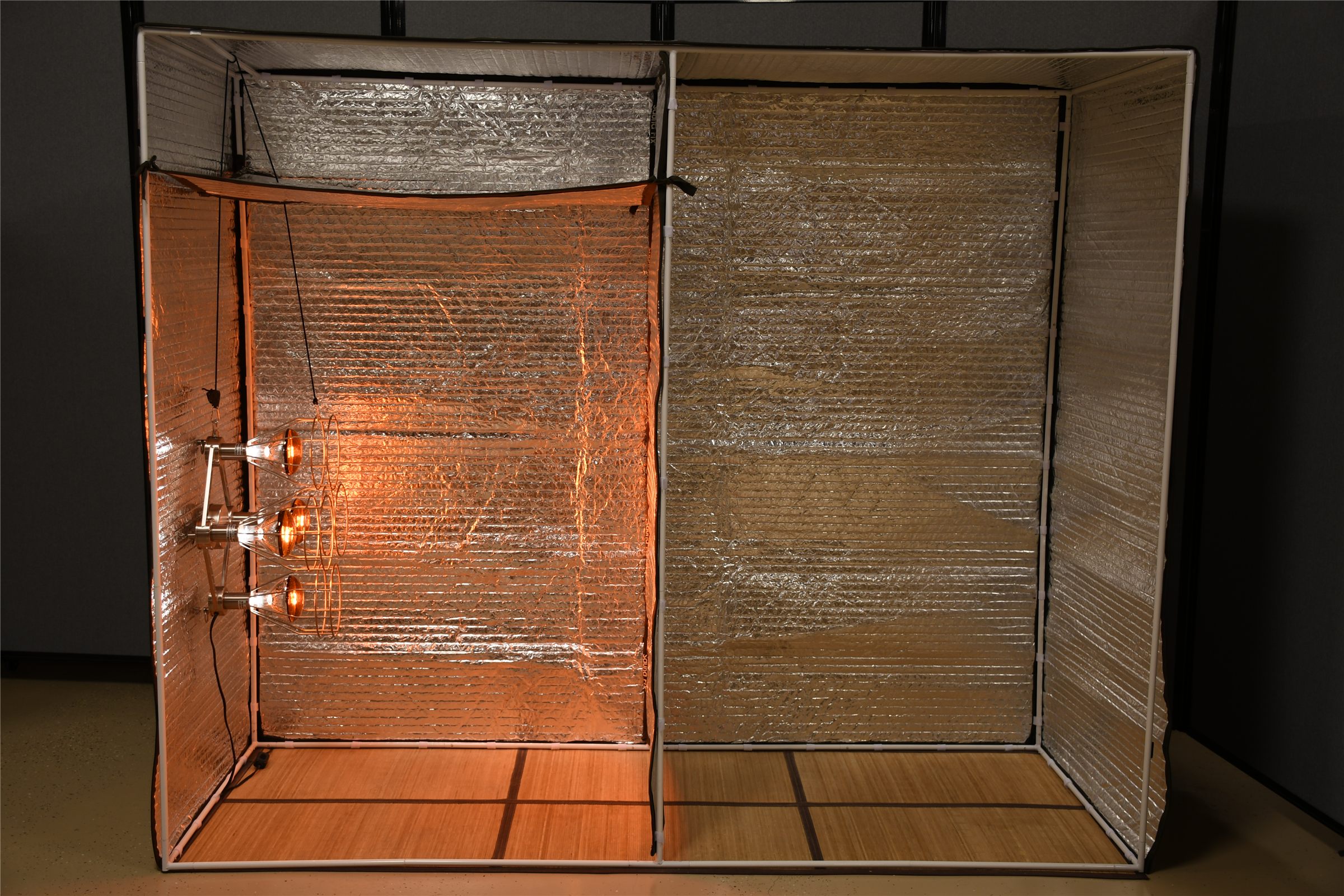
The first thing your body receives is not hot air — it is light. Near infrared wavelengths penetrate beyond the surface, where they are absorbed and converted to warmth inside the tissue rather than layered on top of it. This is the core difference between a near infrared session and a conventional hot-box sauna: the air in the tent stays comparatively mild while you warm from within. In these first minutes you feel almost nothing, which is exactly right. The work has started; the drama has not.
Minutes 5–15: Circulation Takes Over
As tissue warms, blood vessels near the surface open and circulation shifts outward — skin flushes, muscles soften, and the warmth spreads well beyond the side facing the lamps. This is why rotating a quarter-turn every few minutes matters in a lamp-based sauna: you are distributing the light’s work around the body. Heart rate rises gently, in the range of an easy walk. Most people describe this phase as the moment the day’s tension starts to unwind — the nervous system reads deep, even warmth as a signal that it is safe to downshift.
Minutes 15–25: The Sweat Earns Its Name
Sweat arrives later and calmer than conventional-sauna veterans expect, and at gentler air temperatures — the trigger is your warmed core, not scorched air. When it comes, it tends to come thoroughly. This is the phase people picture when they think sauna, and traditional practice has always paired sweating with elimination — the skin doing its share of work alongside movement and breath. Stay attentive here: the right end point is a good sweat and a comfortable heart rate, not an endurance contest. More is not better; done is better.
The Cool-Down Is Half the Session
What happens after the lamps switch off may be the most underrated ten minutes in home wellness. The body keeps sweating, circulation keeps redistributing, and the nervous system completes its downshift — which is why rushing from tent to obligations wastes the best part. Sit, sip mineral-bearing water, let the sweat finish, then rinse. People who guard the cool-down consistently report the deep-relaxation effect the sauna is loved for; people who skip it wonder what everyone is raving about.
How I Run My Own Sessions
Designer’s confession: I built the Sauna Fix® around the session I wanted to take, and the routine has not changed in years. Water first, always. A minute of dry brushing. Lamps on, and the first five minutes are for nothing but breathing — I treat them as the day’s punctuation mark. I rotate on instinct now, though I taught myself with a kitchen timer. Somewhere past the fifteen-minute mark the sweat shows up, I stay with it until it feels complete, and then I protect the cool-down like an appointment: glass of water with a pinch of unrefined salt, ten quiet minutes, rinse. When I teach clients through the Eileen Durfee Method, the session script is the first thing I hand them — because the equipment only delivers what the routine lets it.
Building Your First Thirty Days
Start shorter than you think — fifteen to twenty minutes, a few times the first week — and let sessions lengthen as your body acclimates. Consistency beats intensity by a wide margin: four moderate sessions do more than one heroic one. Keep the variables steady (time of day, hydration, session length) for the first month so you can actually feel what changes. If you are deciding when to schedule them, I wrote a full guide on morning versus evening sessions — short version: the best time is the one you will repeat.
Reading Your Body’s Session Signals
The session has a dashboard if you learn to read it. Heart rate is the honest gauge: a gentle climb into easy-exercise territory is the working zone; pounding is the signal to step out, cool down, and shorten the next session. Sweat that starts readily and flows clean says your hydration walked in prepared; a session where sweat will not come despite adequate time usually means you arrived under-watered or over-tired, and the right move is to end early rather than force it. Lightheadedness on standing is always a stop sign, not a challenge. None of this is complicated — but people raised on no-pain-no-gain fitness need permission to treat comfort as data rather than weakness. The sauna rewards listeners, not endurers.
The Mistakes That Flatten Results
Four habits quietly rob sessions of their value. Skipping the cool-down is the biggest — stepping straight from lamps to obligations amputates the phase where the relaxation benefit consolidates. Arriving dehydrated is second; the body refuses to spend water it does not have, and the session turns into a stalemate. Session stacking is third: doubling up after missed days trades two good sessions for one draining one, because the body recovers from heat the way it recovers from training. And marathon sessions are fourth — past the point of a complete sweat, longer is not deeper, it is just more depletion to replace. The habit that beats all four: schedule sessions like appointments, moderate length, most days, water first.
Pairing the Session With the Rest of the Routine
A sauna session is a strong anchor habit, and other practices attach to it naturally. Dry brushing beforehand wakes the skin the session is about to use — the pairing takes one extra minute and both practices work better together. The rehydration glass afterward, mineral-bearing and unhurried, belongs to the cool-down. Evening users often stack their mobility work inside the tent, where warm tissue makes every position easier; morning users tend to pair the session with their quiet planning time, since the first five minutes ask nothing but breathing anyway. The pattern to notice: the sauna does not compete with a wellness routine — it becomes the room the routine happens in.
Frequently Asked Questions
Can I read or use my phone during a session?
You can, though I would argue the first five minutes deserve to stay empty — they are the only genuinely quiet minutes most schedules contain. If you do bring reading, paper tolerates the warmth better than electronics, and anything with a screen tends to pull you out of the downshift the session is trying to give you. Many long-time users report the sauna became the place their best thinking happens precisely because nothing else was invited in.
Is it normal to feel sleepy afterward?
Pleasantly relaxed, yes — that is the nervous system’s downshift doing its job, and evening users count it as a feature. Genuine exhaustion after sessions is different: it usually points to sessions running too long, arriving under-hydrated, or stacking heat on an already depleted week. Shorten, hydrate, and space the sessions, and the sleepiness should mellow into calm.
How hot does a near infrared sauna get?
Air temperature stays far below a conventional sauna — typically comfortable enough to breathe easily the whole session — because the warming happens in your tissue, not the air. Judge a session by your sweat and heart rate, not the thermometer.
How long should a session last?
Most settle into twenty to thirty-five minutes including a real sweat phase. New users should start nearer fifteen and build. The session ends when the sweat feels complete and you still feel good — not when you have endured a number.
Do I need to rotate?
With lamp-based near infrared, yes — a quarter-turn every few minutes shares the light around the body. It becomes automatic within a week.
Should I eat before a session?
Lightly or not at all. A full stomach competes with the circulation shift, which most people feel as sluggishness. Water before; food after works better for most.
What should I wear?
As little as practical — the light needs skin. Whatever you do wear should be natural fiber; synthetics and radiant warmth are an unpleasant combination.
The deeper science, setup guides, and session protocols live on the Near Infrared Therapy pillar, and if you are still choosing your equipment, the Sauna Fix® near infrared saunas are the tents I designed, tested, and use every day.