
A stiff first step out of bed, difficulty turning to look behind you, or needing your hands to push up from a chair can feel like small inconveniences. Over time, they can quietly shrink your world. Learning how to increase mobility after 50 is not about forcing your body into deep stretches or trying to move like you did at 25. It is about restoring better function so everyday movement feels more available, stable, and confident.
Mobility is often confused with flexibility. Flexibility is how far a muscle can lengthen. Mobility is your ability to control movement through a comfortable range of motion. That control depends on joints, muscles, balance, posture, breathing, circulation, recovery, and the nervous system working together. This is why a more complete approach tends to work better than stretching alone.
Why mobility often changes after 50
The body adapts to the positions and demands we repeat. If most of your day is spent sitting, looking down at a screen, driving, or moving cautiously because something feels tight, your body becomes efficient at those limited patterns. Hips may stay flexed, the upper back may round forward, and the neck may begin carrying the head ahead of the shoulders.
Strength can also decline when it is not used regularly. A joint may technically have range of motion, but if the surrounding muscles cannot guide and support that range, the body will often create stiffness as a form of protection. That stiffness is useful information. It is not always a signal to push harder.
Recovery matters more, too. Poor sleep, ongoing stress, inadequate protein, dehydration, and inconsistent movement can all affect how well tissues recover from normal daily demands. The goal is not to blame every ache on age. It is to identify the sources of stress on the body that can be changed.
How to increase mobility after 50: build the foundation first
Before adding more exercise, look at the quality of the positions you return to all day. Natural alignment gives the body a better starting point for movement. When the head is forward, shoulders are rounded, and the pelvis is tucked or overly arched, the neck, back, hips, and knees may have to compensate.
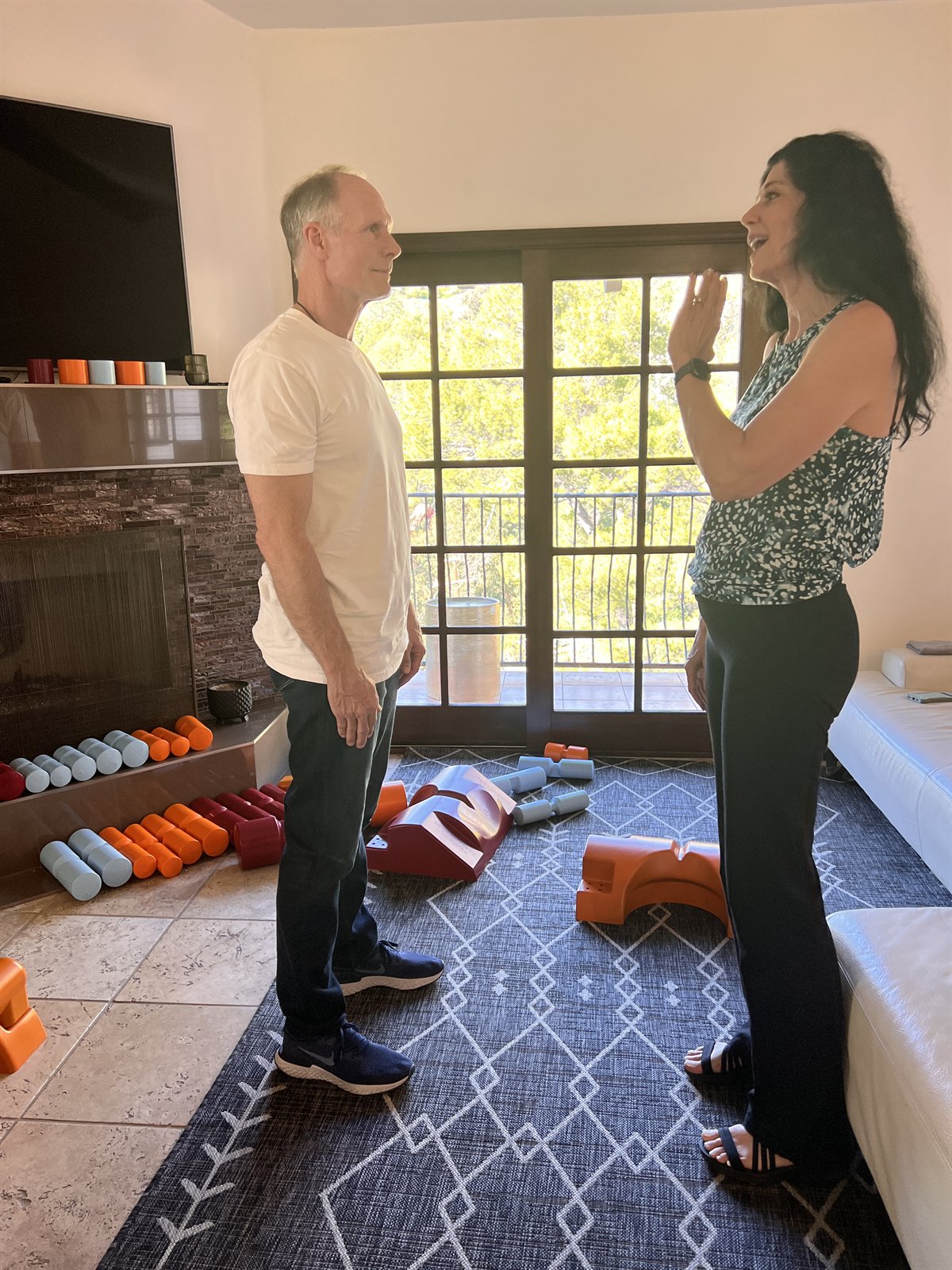
Start by noticing your standing posture. Let your feet rest about hip-width apart, distribute your weight across both feet, soften the knees, and allow the rib cage to stack more naturally over the pelvis. Then gently lengthen through the crown of the head without lifting the chin. This is not a rigid military stance. It is a balanced position that reduces unnecessary strain.
At a desk or in a car, change position before discomfort forces you to. A supportive chair setup, a screen closer to eye level, and brief standing breaks can make a meaningful difference because they reduce the number of hours spent reinforcing the same pattern.
The Eileen Durfee Method begins with this practical logic: support the body’s structure, improve the quality of movement, and then use the right tools and recovery habits to build resilience. You do not need an extreme routine. You need a routine you can repeat.
Move joints daily, but do not chase discomfort
Gentle, controlled joint movement helps remind the body that motion is safe and available. A useful morning practice might include slow shoulder rolls, easy neck turns within a comfortable range, arm circles, hip circles while holding a counter, ankle circles, and a few relaxed sit-to-stands from a sturdy chair.
Keep the movements smooth. Bouncing, forcing, or holding your breath can increase tension rather than improve mobility. Mild muscular effort is normal. Sharp pain, tingling, sudden weakness, dizziness, or a sensation that something is catching are reasons to stop and seek individualized guidance from a qualified health professional.
A simple rule works well: finish a mobility session feeling better than when you started. If you feel depleted, sore for days, or more guarded afterward, reduce the range, intensity, or volume. Consistency is more valuable than one aggressive session each week.
Give special attention to the upper back and hips
The upper back and hips influence almost every major movement pattern. When the upper back becomes stiff, the neck and low back often do extra work. When hips lose motion or strength, the knees and low back may compensate.
For the upper back, try reaching both arms forward and then opening them gently to the sides while keeping the ribs relaxed. For the hips, practice a supported hip hinge: place your hands on a counter, soften the knees, and guide the hips back while keeping the spine long. This teaches the body to use the hips rather than bending repeatedly through the low back.
These are not flashy exercises, but they are useful. Better daily movement is built through patterns your body can apply when lifting groceries, getting in and out of a car, gardening, or climbing stairs.
Add strength to make new mobility usable
A longer range of motion is only helpful when you can control it. Strength training supports mobility because it asks muscles to stabilize joints under manageable load. For adults over 50, foundational movements usually matter more than complicated workouts.
Sit-to-stands, wall push-ups, supported rows, step-ups on a low stable step, calf raises, and carrying light objects can all support functional strength. Start with a level that allows steady breathing and clean form. Two or three short strength sessions per week can be enough to create momentum, particularly when paired with daily walking and mobility work.
The trade-off is that more is not automatically better. A hard workout may be appropriate for someone with a solid exercise background and good recovery capacity. For someone returning after years of inactivity, it can create a setback. Build slowly enough that your joints, connective tissue, and confidence can adapt together.
Use walking as a mobility practice
Walking is one of the most accessible ways to improve mobility and resilience, but a casual stroll can become more effective when you pay attention to how you move. Let the arms swing naturally, keep your gaze ahead rather than down, and take a stride that feels comfortable instead of reaching too far forward with the foot.
If one long walk is difficult, use several short walks. Five to ten minutes after meals, a lap around the block, or a few minutes of indoor walking during a work break all count. Frequent movement helps counter the stiffness that accumulates with long periods of sitting.
Variety helps as well. Flat ground is a good place to begin, while gentle hills, different surfaces, or purposeful stair climbing can be introduced gradually when balance and conditioning improve. Choose the challenge that matches your current foundation rather than comparing yourself to someone else’s routine.
Support recovery, minerals, and hydration
Mobility is not created only during exercise. It improves when the body has the raw materials and recovery time to respond to movement. Protein-rich meals, colorful produce, adequate fluids, and regular sleep are basic but powerful supports for active aging.
Mineral status can also be part of the larger picture. Minerals participate in muscle contraction, relaxation, energy production, and many other processes that influence how resilient you feel. Rather than guessing with a cabinet full of supplements, some people choose Hair Tissue Mineral Analysis, or HTMA, as an educational tool to explore longer-term mineral patterns and discuss a more individualized wellness approach.
Heat can be another practical recovery tool for some individuals. Gentle near-infrared sauna sessions may support relaxation, circulation, and the sense of looseness that makes movement easier to practice. Heat is not a substitute for strength, posture work, or medical care, and it should be used thoughtfully. Stay hydrated, start with shorter sessions, and check with your clinician first if you have a health condition, take medications that affect heat tolerance, or have concerns about blood pressure.
Make your home environment work for your body
The best mobility routine can be undone by a home setup that encourages strain. Put frequently used items where you do not have to repeatedly twist, reach overhead, or bend deeply. Use a stable chair for exercises, wear footwear that supports secure walking, and keep pathways clear to reduce tripping hazards.
Consider the places where you spend the most time. A pillow that leaves the neck cranked to one side, a sofa that makes it hard to stand, or a workstation that pulls your head forward can add up over months. Small adjustments can help support natural alignment without requiring a complete lifestyle overhaul.
Know when to get individual help
General mobility practices are useful for many people, but they are not meant to replace personalized evaluation. Seek professional guidance for persistent or worsening pain, a recent fall, major changes in balance, numbness, unexplained weakness, or symptoms that interfere with daily life. A physical therapist, qualified trainer, or health professional can help you identify movement patterns and choose appropriate progressions.
The encouraging part is that mobility can respond to regular attention at any age. Begin with one posture check, a few minutes of joint movement, a short walk, and one strength-building activity you can repeat this week. Those small decisions build a stronger foundation for the trips, hobbies, work, family time, and independence you want to keep enjoying.
What Changed in My Own Training After 50
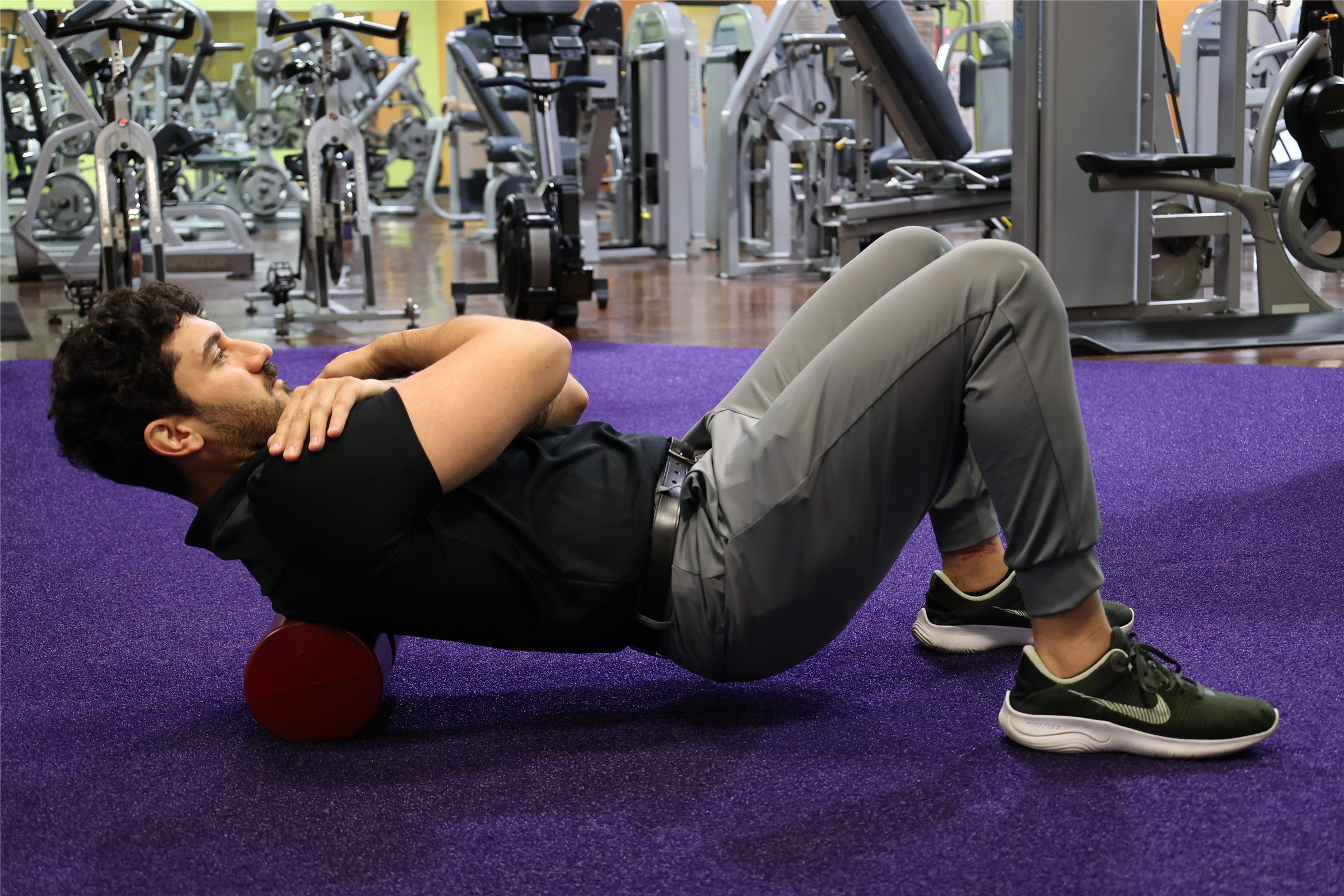
I can report from the far side of fifty that mobility work does not get optional — but it does get smarter, and honestly, more pleasant. The biggest change in my own practice was flipping the ratio: recovery stopped being what happened between training and became the training. More of my minutes now go to gentle daily extension over the rolls, radiant heat, walking, and minerals than to anything a gym would recognize as a workout — and my movement is better for it, not worse. The second change was abandoning intensity as a virtue. After fifty, tissue still adapts beautifully; it just invoices differently. Three gentle sessions beat one ambitious one, every time, because the ambitious one now costs two recovery days that the gentle ones never charge.
The third change was strategic: I train positions before capacity. Getting down to the floor and up again, reaching overhead, turning fully to each side — I keep the positions themselves in daily circulation, because after fifty the body deletes what it does not use with startling efficiency. Strength work then makes those positions durable. None of this is surrender to age; it is negotiation with it, and the negotiation goes remarkably well for people who show up daily with modest asks. My range of motion in my sixties embarrasses my forties, and the entire secret is boring consistency at friendly intensities.
Those three flips became the over-fifty template of the Eileen Durfee Method, and coaching them has taught me they transfer reliably. The hardest sell is always the first one — convincing a lifelong exerciser that recovery is the training now — so I let the invoice do the arguing: we count the days their ambitious sessions actually cost, and the arithmetic converts them faster than I ever could. What I watch for in follow-ups is the same marker every time: when a client stops reporting workouts and starts reporting mornings — how easily they stood up, how far they could look over a shoulder in the car — the practice has moved from their calendar into their body, and it keeps.
Frequently Asked Questions
Is it too late to regain mobility I lost years ago?
Almost never. Adaptability slows with age; it does not shut off. Range that took a decade to lose will not return in a month, but daily gentle work reliably reopens it over seasons — and the daily ease (shoes, stairs, floor) improves long before the maximum range does.
Should mobility work hurt after 50?
No — mild stretch sensation and next-day awareness are fine; pain is a redesign instruction, not a toll to pay. Older tissue responds better to frequent gentleness than occasional force. If a position hurts, shrink the range and raise the frequency; the range will come to you.
How does menopause or age-related muscle loss affect the plan?
It raises the stakes for pairing mobility with strength — sarcopenia takes unused capacity fastest, and hormonal shifts affect tissue resilience and recovery time. The answer is the same plan with more patience: daily movement, progressive but modest strength work, protein and minerals, and seriously guarded sleep.
Are balance exercises part of mobility?
Inseparably — balance is mobility you can trust. Single-leg stands while the coffee brews, heel-to-toe walking down the hallway, getting off the floor without hands: these train the ankle, hip, and spinal control that make range usable and falls rarer. A minute a day compounds.
What is a realistic 90-day goal for someone starting at 55 or 65?
Pick function, not degrees: off the floor without hands, a full over-shoulder check in the car, shoes tied standing up, a comfortable daily 30-minute walk. Most people starting from stiffness can earn one or two of those in 90 days of daily minutes — and each one makes the next cheaper.