

You can often spot posture problems before you are ready to name them. Your head drifts forward while reading. Your shoulders round by midafternoon. Your low back tightens after standing, or your neck feels tired after an ordinary day.
If you are wondering how to improve posture naturally, the answer is rarely one magic exercise. Posture changes when the body has better support, more varied movement, stronger spinal fitness, more efficient breathing, and less repeated strain.
Posture is not just about standing up straight for appearances. It affects how comfortably you breathe, how efficiently your muscles work, how stress is distributed through the joints, and how much effort it takes to move through the day. When alignment improves, many people feel less compressed, move more comfortably, and recover more easily.
The key idea:
Good posture is not a rigid pose. It is a balanced position your body can maintain without excessive tension.
Why Posture Changes in the First Place
Poor posture is often treated like a willpower problem, but that misses the real issue. Most people do not slouch because they are lazy. They slouch because the body has adapted to repeated stress.
Too much sitting, old injuries, screen time, weak spinal support muscles, tight chest muscles, shallow breathing, and fatigue can all pull the body out of balance. The body then compensates. The neck may overwork because the mid-back is stiff. The low back may tighten because the hips are not moving well. The shoulders may round because the chest is shortened and the upper back lacks endurance.
Poor Posture Is Often an Adaptation
Repeated Position
The body adapts to the shapes you hold most often, especially prolonged sitting and downward screen use.
Compensation
When one region becomes stiff or weak, nearby muscles often work harder to keep you upright.
Reduced Recovery
Poor sleep, stress, and fatigue can reduce the body’s ability to maintain upright posture efficiently.
Age can make long-standing compensation more visible, but getting older does not automatically mean accepting a collapsed posture. A more thoughtful approach reduces the source of stress instead of forcing the body into a position it cannot sustain.
How to Improve Posture Naturally Without Forcing It
Natural posture improvement begins with a simple shift in thinking. Good posture is not something you hold through willpower. It is the result of balanced support between the spine, rib cage, pelvis, feet, breathing muscles, and nervous system.
Overcorrecting can create a different problem. Pulling the shoulders back hard, arching the low back, tightening the abdomen, and lifting the chest may look upright for a moment, but it is not sustainable. Better posture should feel lighter and more organized, not rigid.
Start With the Head, Ribs, and Pelvis
A practical starting point is to notice whether the head sits over the shoulders, the ribs are stacked over the pelvis, and the feet feel balanced. If the chin juts forward, the neck muscles work overtime. If the ribs flare upward, the low back often tightens.
Gently bring the head back without lifting the chin. Let the lower ribs soften rather than forcing the chest upward. Keep the knees relaxed and distribute weight through both feet. The goal is to stack the body, not brace it.
Start With the Daily Habits That Shape Your Posture
Your daily routine matters more than a perfect ten-minute stretch. If you sit for long periods, posture will reflect that pattern. If you scroll on your phone with your head down, your neck adapts. If your workstation, mattress, chair, or movement habits repeatedly push you out of alignment, the body keeps rehearsing the same stress.
Notice the Positions You Repeat Most
- How do you sit while eating, driving, or working?
- Do you lock your knees while standing?
- Do you always shift your weight toward one hip?
- Does your monitor force you to look down?
- Do you sleep with your neck sharply bent?
- Do you spend most of the day in one position?
One of the simplest changes is to stop staying in any one position too long. Even a well-designed chair cannot replace regular movement. Stand every 30 to 45 minutes, walk briefly, reach overhead, rotate your shoulders, and let the spine experience variety.
Build Spinal Fitness, Not Just Flexibility
Many people stretch constantly and still struggle with posture. Flexibility alone does not create support. You also need spinal fitness: the ability of the muscles around the spine to stabilize and move you without excessive tension.
Helpful areas to train often include the deep neck flexors, mid-back muscles, glutes, and core support system. The exact mix depends on the pattern. A stiff upper back may need mobility before strengthening. A very flexible person who collapses easily may need more control and endurance.
Spinal Fitness Helps Make Better Posture Sustainable
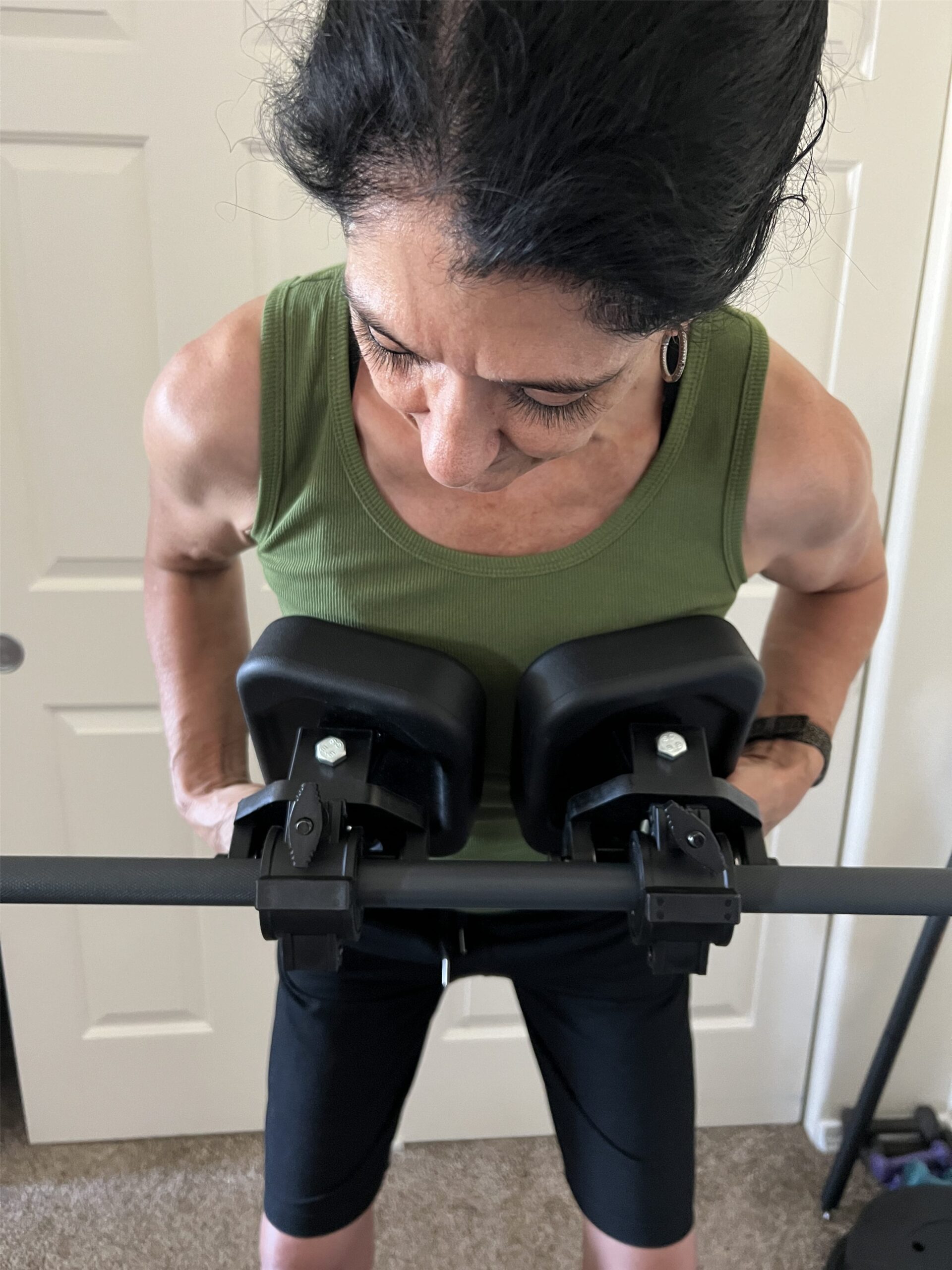
Gentle extension work, traction-based support, and posture-specific spinal tools may be useful when they help the body experience better alignment without forcing it. This is one reason many people are drawn to the Eileen Durfee Method. It combines wellness education with practical tools that support natural alignment and help people build a stronger foundation at home.
Quality matters more than intensity:
A movement that jams the neck, arches the low back, or creates pain may reinforce the pattern you are trying to change.
Breathing Is a Natural Posture Tool Most People Overlook
When breathing stays high in the chest, the neck and shoulders often become backup breathing muscles. Over time, that pattern may reinforce tension and pull the body forward.
Better breathing mechanics may help improve posture naturally because the diaphragm, ribs, spine, and abdominal wall are closely connected. A rib cage that moves well gives the spine more options than a chest that remains rigid.
Practice Lower-Rib Breathing Without Forcing a Deep Breath
Place one hand on the upper chest and the other around the lower ribs. Inhale gently through the nose and notice whether the lower ribs widen while the shoulders remain relaxed. Exhale slowly and allow the ribs to settle.
You are not trying to take the largest breath possible. You are teaching the body to breathe with less neck and shoulder effort. This may be especially helpful when you feel stiff, guarded, anxious, or fatigued.
Recovery Affects Posture More Than Most People Expect
A tired body tends to collapse. A stressed body often tightens. A dehydrated or under-recovered body may have less capacity to maintain alignment. This is why posture work can stall when recovery is ignored.
If muscles remain overworked, sleep is poor, or the body feels chronically burdened, posture may remain stuck no matter how many reminders you set. Recovery matters because healthier tissue responds better to movement, exercise, and reeducation.
Support Recovery So Better Posture Can Last
For some people, near-infrared heat, gentle sweating, hydration, and mineral support may be part of the larger recovery picture. The goal is not to chase a quick fix. It is to improve mobility and resilience so the body can hold better positioning with less effort.
Strengthen the Back Side of the Body for Better Posture
Modern life is front-loaded. We reach forward, sit forward, drive forward, and look down. That pattern can reduce the endurance of the muscles that help keep the body open and supported.
Instead of forcing the shoulders back, strengthen the entire back line. That includes the upper back, rear shoulders, glutes, and the muscles that support the spine from the neck through the pelvis.
Useful Natural Posture Exercises
- Rows with controlled shoulder-blade movement
- Wall slides without arching the low back
- Hip hinges that keep the spine long
- Walking with relaxed arm swing
- Gentle upper-back extension
- Glute and trunk endurance exercises performed with control
More exercise is not always better. If a movement makes you jam the neck, arch the low back, or grip through the wrong muscles, reduce the load and improve control first. Small, consistent movements often outperform aggressive workouts when posture has been poor for years.
Use Your Environment to Support Better Alignment
The body responds to what surrounds it. If the monitor is too low, the neck pays for it. If the reading chair collapses the chest, the shoulders adapt. If the pillow pushes the head too far forward, the neck remains flexed for hours.
Make the Environment Work With Your Posture
- Raise screens closer to eye level.
- Support the feet when sitting.
- Keep frequently used objects within comfortable reach.
- Choose a pillow height that keeps the neck neutral.
- Avoid chairs that force the chest into a collapsed position.
- Build movement into the space instead of relying on one ideal sitting position.
Simple environmental changes can create lasting gains because they reduce repeated stress. You are no longer asking the body to overcome the same poor setup all day.
How to Improve Posture Naturally Over Time
If you want lasting change, think in months rather than days. The body adapts through repetition. A few neck stretches will not undo years of compensation, but consistent practice can gradually change what feels normal.
Lasting natural posture correction usually combines daily awareness, better breathing, targeted strength, movement breaks, improved recovery, and a more supportive environment. Some people also benefit from spinal fitness tools that help them feel better alignment more clearly.
A Simple Weekly Posture Checklist
- Take movement breaks every 30 to 45 minutes.
- Practice relaxed lower-rib breathing.
- Strengthen the upper back, glutes, and trunk.
- Adjust screens, chairs, and pillows.
- Avoid forcing the shoulders back or arching the low back.
- Use mobility work before loading a stiff area heavily.
- Track comfort, movement, and endurance rather than appearance alone.
If posture is tied to pain, old injuries, significant asymmetry, numbness, weakness, or dizziness, seek qualified guidance. Natural approaches work best when they match the pattern in front of you.
The encouraging part is that posture can often improve at almost any age. When you reduce repeated strain and give the body better support, it often responds surprisingly well.
The Misconception I Correct Most Often
After years of posture work as a Nationally Certified Spinal Fitness Specialist, one correction comes up more than every other combined: posture is not a discipline problem, and I can usually prove it in thirty seconds. I ask the person to sit up perfectly straight — easy. Then I ask them to hold it while we keep talking. Within two minutes they have melted back to exactly where they started, and they apologize, as if their character slipped. It did not. Their tissue did precisely what tissue does: it returned to the shape it actually has. Muscles fatigue in seconds when asked to hold a position the underlying structure cannot reach; no amount of remembering-to-sit-straight can outlast that arithmetic.
The relief on people’s faces when this lands is why I keep saying it: you have not been failing at posture — you have been assigned the wrong job. The real job is changing the resting shape itself: restoring the curves with a few minutes of daily template work over properly sized rolls, then strengthening the position as it becomes reachable. Effort holds a posture for minutes; structure holds it all day for free, while you think about literally anything else. Stop budgeting willpower for something tissue does better, and spend five minutes a day changing the tissue instead.
Frequently Asked Questions About Improving Posture Naturally
How can I improve posture naturally?
Combine daily movement, better breathing, targeted strength, reduced sitting time, improved workstation setup, and exercises that support spinal mobility and endurance.
Can posture improve at any age?
Posture can often improve at many ages when strength, mobility, breathing, and daily habits are addressed consistently. The rate of progress depends on injuries, joint health, and how long the pattern has been present.
Is stretching enough to correct poor posture?
Stretching may reduce stiffness, but lasting change usually also requires strength, motor control, endurance, and changes to the daily positions that created the problem.
How does breathing affect posture?
The diaphragm, rib cage, spine, and abdominal muscles work together. Shallow upper-chest breathing may increase neck and shoulder tension, while more efficient rib movement can support easier alignment.
When should posture problems be professionally evaluated?
Seek qualified evaluation when posture problems are associated with persistent pain, weakness, numbness, dizziness, balance changes, breathing difficulty, recent injury, or significant asymmetry.
Build Better Posture From the Foundation Up
Better posture becomes more sustainable when movement, breathing, strength, recovery, and your environment all support the same goal.