

You can do many things right during the day and still wake up feeling as though your body spent the night struggling. A stiff neck, dry mouth, shallow breath, morning headache, or heavy unrested feeling may signal that your sleep position, posture, nasal airflow, or bedroom air quality deserves a closer look.
The best sleep support for better breathing is rarely just a softer mattress or a thicker pillow. Better breathing during sleep usually depends on several factors working together: neutral neck alignment, room for the rib cage to expand, comfortable nasal breathing, cleaner indoor air, and a body that is not carrying excessive muscular tension into bed.
Years of desk work, stress, old injuries, rounded shoulders, or forward head posture can affect both sleep and breath. When the head shifts forward, the upper back rounds, and the rib cage becomes stiff, the muscles involved in breathing may have to work harder. One product cannot correct every cause, but a layered sleep strategy can remove several common obstacles at once.
Important:
Persistent snoring, gasping, witnessed breathing pauses, morning headaches, chest pain, or severe daytime sleepiness should be evaluated by a qualified medical professional. Sleep support products do not diagnose or treat sleep apnea.
What the Best Sleep Support for Better Breathing Really Means
When people hear the word support, they often think of softness. In practice, the best sleep support for better breathing is about structure. Your body needs enough support to keep the neck, upper back, and rib cage in a position that does not add unnecessary compression or muscular strain.
Sleep does not automatically erase a poor daytime posture pattern. If the chest stays collapsed, the shoulders remain rolled forward, and the neck muscles stay tense, the body often carries those patterns into bed. A pillow or mattress can either reduce that stress or reinforce it.
Sleep Breathing Support Has Three Main Parts
Body Alignment
A neutral neck, supported spine, and freer rib cage can reduce unnecessary tension around the structures involved in breathing.
Comfortable Airflow
Nasal comfort, room humidity, and fewer airborne irritants can make nighttime breathing feel easier.
Recovery Readiness
A body that is less guarded and tense before bed is often better prepared for deeper, more restorative sleep.
Start With Sleep Posture Before You Blame Your Breathing
One overlooked contributor to uncomfortable breathing during sleep is mechanical stress. When the head sits too far forward, the tissues in the front of the neck may feel compressed while the muscles in the back of the neck remain overworked. Add a pillow that pushes the chin toward the chest, and breathing may feel shallower or more restricted.
The Eileen Durfee Method looks at the body as an interconnected system rather than chasing one symptom at a time. Better spinal fitness may help restore more natural movement through the neck, upper back, and rib cage. When these areas move more freely, the breath often has a better opportunity to expand without as much resistance.
How Sleep Position Can Affect Better Breathing
Side sleeping may help some people feel more open through the airway, but the pillow must match shoulder width so the neck does not bend downward or upward. Back sleeping may feel best for others, but not if a thick pillow tips the chin toward the chest. Stomach sleeping often requires substantial neck rotation and may aggravate existing neck tension.
- Side sleepers: fill the space between the shoulder and head without lifting the head too high.
- Back sleepers: support the natural neck curve without forcing the chin toward the chest.
- Combination sleepers: choose support that remains stable as you change positions.
- People with shoulder pain: may need arm and torso support so the shoulder does not collapse forward.
Choosing a Pillow for Better Sleep and Breathing
The Pillow Question Most People Get Wrong About Sleep Breathing
A pillow is not better simply because it is thicker, softer, or more expensive. If it bends the neck or pushes the head forward, it may make sleep breathing support worse rather than better. The goal is to preserve natural alignment so the nose, throat, neck, and chest are not working against unnecessary compression.
People with rounded shoulders or a stiff upper back may need more than a pillow change. They may also need to improve thoracic mobility and reduce the strain pattern that keeps pulling the head forward. Otherwise, even a well-designed pillow is trying to solve a daytime posture problem that remains uncorrected.
Quick alignment check:
Lie in your normal sleep position and ask whether your nose points straight ahead, your chin feels neutral, and your neck feels supported rather than bent. A partner can also look from behind to see whether the head remains level with the spine.
Bedroom Air Quality, Air Purifiers, and Better Sleep Breathing
Better breathing at night is not only about what your body is doing. It is also about what your body is breathing for seven or eight hours. Dust, pet dander, fragrances, smoke particles, stale air, and seasonal irritants can all affect bedroom comfort.
An air purifier for sleep may help create a cleaner bedroom environment by reducing certain airborne particles or contaminants, depending on the technology used. Cleaner air does not replace medical treatment for sleep apnea, asthma, or another respiratory disorder, but it may support more comfortable sleep breathing for people who are sensitive to indoor air quality.
How to Improve Bedroom Air for Better Breathing During Sleep
- Wash bedding regularly and reduce dust-collecting clutter.
- Vacuum with a well-sealed machine and appropriate high-efficiency filtration.
- Avoid fragranced sprays, plug-ins, and heavily scented laundry products.
- Keep pets and pet bedding clean if they sleep in the room.
- Ventilate when outdoor air quality and humidity are favorable.
- Use an appropriately selected air purifier when airborne irritants are a concern.
Humidity matters too. Air that is too dry may irritate the throat and nasal passages, while excessive humidity may encourage mold growth and dust-mite activity. A simple humidity monitor can help you understand what is actually happening in the room rather than relying on guesswork.
Explore Portable Air-Purification Support
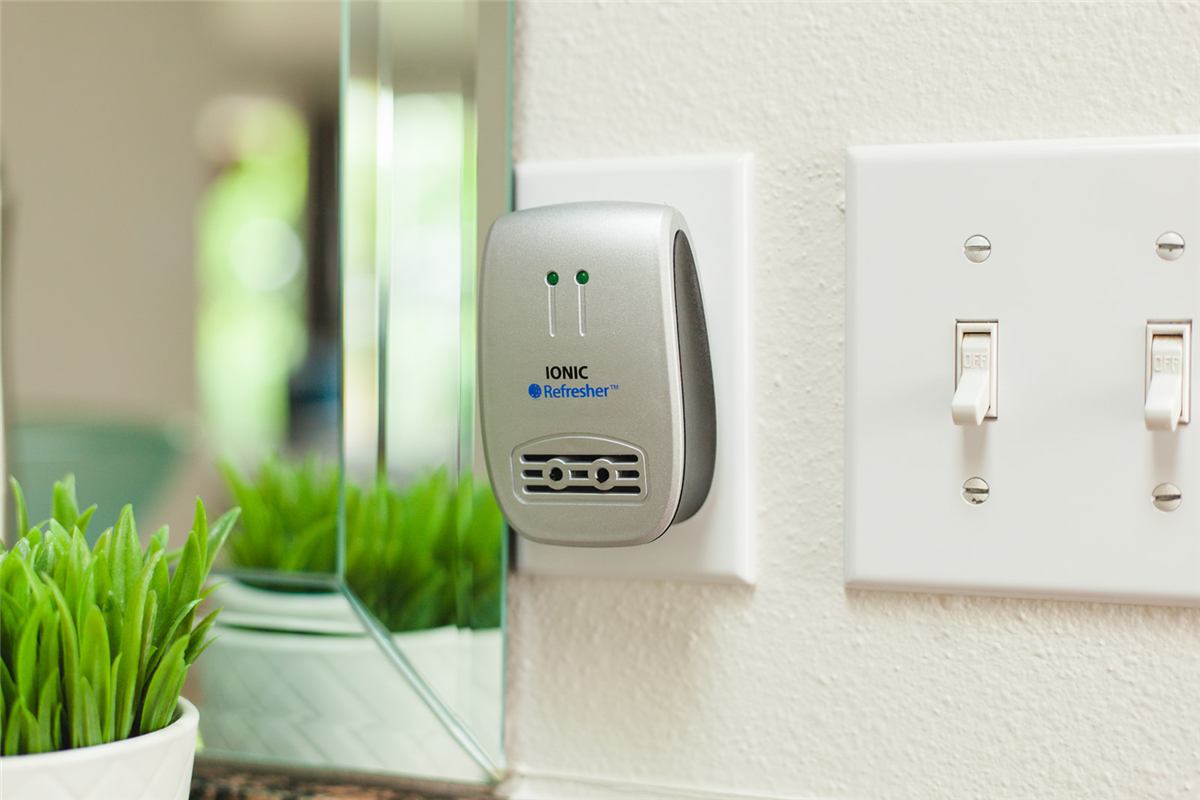
Breathe Safe® is designed to provide portable plasma-ion air purification near the spaces where you sleep, work, travel, or relax.
Nasal Breathing at Night Is an Important Sleep Skill
Comfortable sleep breathing usually starts with the nose. The nose helps filter, warm, and humidify incoming air. When nasal breathing becomes difficult, people may compensate with mouth breathing and wake with a dry mouth, tight jaw, irritated throat, or less refreshed feeling.
The answer is not to force a one-size-fits-all trend. If nasal breathing feels difficult at night, ask why. Congestion, allergies, head position, a restricted rib cage, chronic tension, structural issues, or sleep-disordered breathing may all play a role.
Support Nasal Breathing Without Ignoring the Cause
Sometimes improving posture, pillow height, bedroom air quality, and hydration makes nasal breathing more comfortable. In other cases, persistent obstruction or nighttime breathing difficulty needs professional assessment. Mouth taping or similar techniques should never be used when nasal breathing is impaired, when alcohol or sedating medication is involved, or when sleep apnea is suspected without medical guidance.
Better Sleep Breathing Begins With Less Neck and Rib Tension
Nighttime breathing reflects what happened all day. A stiff thoracic spine, tight ribs, and overworked neck muscles can limit how comfortably the breath expands. If the body never leaves that defensive pattern, sleep may feel less restorative.
Gentle spinal fitness, posture support, and mobility work may help the body shift out of that pattern. For some people, this means supporting the natural neck curve and improving upper-back mobility. For others, it means reducing the compression created by long hours of sitting.
Evening Recovery Habits That May Support Easier Breathing
- Gentle upper-back mobility and rib-cage expansion exercises
- Relaxed nasal breathing without force or breath-holding
- Reducing screen posture and prolonged forward-head positioning before bed
- Heat or near-infrared support used according to product directions
- A consistent wind-down routine that helps reduce physical guarding
Some people also explore nutrition, mineral status, and broader recovery support when chronic stress and low resilience appear to be part of the picture. Hair Tissue Mineral Analysis can provide educational information about mineral patterns, but it should be interpreted in context and should not be used as a substitute for medical diagnosis.
Better Breathing During Sleep Is Rarely One Fix
The most effective sleep breathing support usually works in layers. Your pillow and sleep position matter, but so do your spine, rib cage, nasal comfort, bedroom air quality, and recovery habits. The common mistake is trying to solve a whole-body problem with one product.
A practical plan may include improving the bedroom environment, using an air purifier when appropriate, reducing neck and upper-back strain, selecting a pillow that keeps the neck neutral, and building habits that help the body unwind before sleep.
A Simple Better-Sleep Breathing Checklist
- Does your pillow keep your neck neutral?
- Can your rib cage expand comfortably in your sleep position?
- Is your bedroom free from unnecessary fragrances and dust buildup?
- Is room humidity comfortable rather than excessively dry or damp?
- Can you breathe comfortably through your nose before sleep?
- Do you wake with dry mouth, headache, gasping, or severe fatigue?
- Are daytime posture and neck tension contributing to your nighttime symptoms?
When Your Sleep and Breathing Setup Needs a Rethink
If you repeatedly wake with neck tension, shoulder tightness, dry mouth, morning headaches, or the sense that you never reached deep rest, your setup deserves a closer look. Review the mattress, pillow, sleep position, air quality, room moisture, and the condition of your posture before bed.
Better breathing while you sleep is not about chasing a perfect nighttime routine. It is about reducing the obstacles that make breathing harder than it needs to be. When you support more natural alignment, improve the sleep environment, and give the body better recovery inputs, rest has a better chance to feel restorative.
A good night of sleep breathing is not a small thing. It supports daytime energy, resilience, concentration, and a stronger foundation for healthy aging.
The Neck Curve Most Sleep Advice Ignores
Here is the connection my spinal fitness work brings to this topic that pillow guides never mention: how you breathe at night is partly a question of what shape your neck holds — and most necks arrive at bedtime already compromised. A cervical spine that has spent the day drifting forward over screens carries that flexed posture into the pillow, and a flexed neck positions the head, jaw, and throat in ways that make easy nasal breathing mechanically harder. People spend hundreds on gadgets for their airway while the structure the airway passes through goes untrained.
So my sleep-breathing advice starts hours before bed. A few minutes of gentle cervical extension over a small, properly sized roll in the evening — restoring the curve the day flattened — changes what position the neck settles into at night, and the pillow finally has something to support rather than something to prop. I teach clients to think of it as preparing the instrument before the eight-hour performance. Pair the restored curve with a pillow height that keeps the head neutral rather than pushed forward, and nasal breathing stops being a discipline you attempt and starts being the path of least resistance. The airway is housed in the spine’s neighborhood; train the neighborhood and the housing improves.
Frequently Asked Questions About Sleep and Better Breathing
What is the best sleep support for better breathing?
The best support usually combines neutral neck alignment, a pillow matched to your sleep position, comfortable nasal airflow, cleaner bedroom air, and reduced tension through the neck, ribs, and upper back.
Can poor posture affect breathing during sleep?
Yes. Forward head posture, rounded shoulders, and a stiff rib cage may increase muscular strain and reduce comfortable movement during breathing. Improving daytime posture and nighttime alignment may help.
Can an air purifier help with sleep breathing?
An air purifier may help create a cleaner sleep environment by reducing certain airborne particles or irritants. It does not treat sleep apnea or replace medical care, but cleaner bedroom air may improve comfort for some people.
Is side sleeping better for breathing?
Side sleeping may feel better for some people, but pillow height must match shoulder width so the neck remains level. The best sleep position depends on body structure, symptoms, and medical considerations.
When should nighttime breathing problems be evaluated?
Seek medical evaluation for loud habitual snoring, gasping, witnessed breathing pauses, morning headaches, chest pain, severe daytime sleepiness, or persistent shortness of breath.
Build a Better Foundation for Sleep, Breathing, and Recovery
Better sleep breathing starts by reducing strain, improving alignment, supporting cleaner air, and helping the body enter sleep in a less guarded state.