

Your body is already designed to process normal metabolic waste and everyday environmental exposures. The practical question is not how to force a dramatic cleanse. It is how to reduce unnecessary stress while giving the body the water, minerals, movement, rest, circulation, and cleaner environment it needs to function well.
That is where natural detox support methods become useful. They focus on supporting the body’s built-in pathways rather than overwhelming them with extreme fasting, aggressive laxatives, excessive heat, or complicated supplement protocols.
For many adults, low energy, poor sleep, stiffness, sluggish recovery, digestive irregularity, or difficulty sweating are not isolated problems. They may reflect a foundation that needs more attention. Long hours sitting, shallow breathing, poor posture, inconsistent meals, dehydration, and an overloaded environment can all add stress to the system.
A better approach:
Support the body’s daily functions consistently instead of chasing a short, dramatic cleanse that leaves you depleted.
Start With the Body’s Natural Detox Pathways
The liver, kidneys, digestive system, lungs, skin, and lymphatic system each help the body process and eliminate what it no longer needs. These systems do not work in isolation. They depend on circulation, hydration, nutrient availability, regular bowel habits, adequate sleep, and the nervous system’s ability to move out of constant stress mode.
This is why a harsh cleanse can backfire. Extreme fasting, aggressive laxatives, excessive sauna time, or taking many supplements at once may leave a person depleted, dizzy, constipated, or unable to recover from exercise. More is not always better.
Natural Detox Support Works Best as a System
Reduce the Burden
Limit avoidable exposures, excessive fragrance, poor indoor air, and habits that continually add stress.
Support Daily Function
Hydration, minerals, digestion, movement, and sleep help the body’s normal pathways work more consistently.
Use Tools Appropriately
Sauna, spinal fitness tools, and targeted supplements should support the foundation rather than replace it.
The Eileen Durfee Method applies this practical lens: identify sources of stress, then combine wellness education with tools that improve daily function. Better posture, more efficient breathing, mineral support, appropriate heat, and a cleaner home environment can work together more effectively than a short-term cleanse.
Hydration and Mineral Balance Support Natural Detox
Water supports circulation, kidney function, digestion, temperature regulation, and nutrient transport. Yet simply drinking more plain water is not always the complete answer, especially for people who sweat regularly, use a sauna, exercise often, or feel run-down afterward.
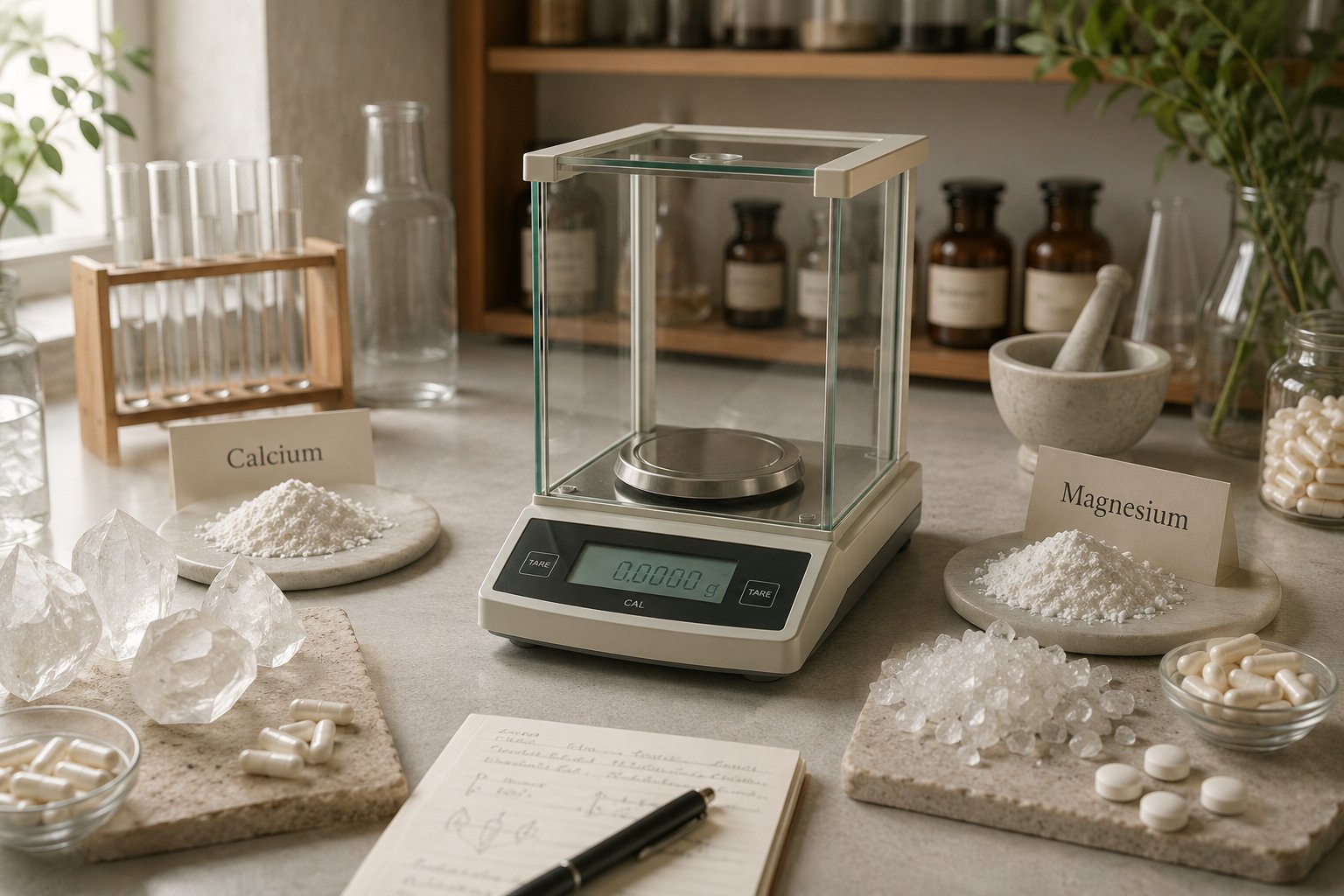
Sodium, potassium, magnesium, calcium, and other minerals help support fluid balance, muscle function, nerve signaling, and energy production. Individual needs vary. Someone eating mostly packaged food may need a different strategy than someone following a very low-sodium diet or taking medication that affects fluid balance.
Build Hydration Around Food, Fluids, and Individual Needs
- Drink water consistently across the day instead of waiting until you feel depleted.
- Include mineral-rich whole foods and adequate protein.
- Replace fluids appropriately after exercise or sauna use.
- Pay attention to cramps, headaches, fatigue, or sleep disruption after sweating.
- Discuss persistent symptoms or medication-related concerns with a qualified clinician.
Hair Tissue Mineral Analysis, or HTMA, is one educational tool some people use with qualified guidance to examine longer-term mineral patterns and build a more individualized wellness plan. It is not a medical diagnosis, but it can bring structure to a mineral-balancing conversation.
Support Elimination With Food, Fiber, and Consistency
Natural detox support is not glamorous, but regular digestion matters. The digestive tract is one of the body’s main routes for moving metabolic byproducts out. When meals are rushed, fiber is low, hydration is inconsistent, and movement disappears, regularity can suffer.
Instead of jumping immediately to a cleanse, build meals around vegetables, fruit, beans if tolerated, whole grains, nuts, seeds, and quality protein. Increase fiber gradually and pair it with water. A sudden large increase may create bloating or discomfort, especially when digestion has been slow for a long time.
A Consistent Eating Rhythm Can Improve Detox Support
Many people do better when they eat enough at meals, reduce late-night grazing, and leave time for digestion before bed. This is not about rigid food rules. It is about noticing whether your daily pattern supports energy and regularity or makes both harder.
Movement and Posture Help Circulation Do Its Job
Sitting with the head forward and shoulders rounded does more than make the neck feel tight. It can limit comfortable chest expansion, encourage shallow breathing, and reduce the natural muscular movement that supports circulation.
Walking is one of the simplest natural detox support methods. A brief walk after meals may support digestion, while several short movement breaks can offset long periods in a chair. Gentle spinal mobility, light resistance training, and diaphragmatic breathing add another layer by helping restore natural alignment and muscular support.
Choose the Right Dose of Movement
Hard training when you are under-slept, underfed, highly stressed, or already sore may add more stress than benefit. On those days, choose a walk, mobility work, or a carefully selected spinal fitness tool that helps you move without forcing range of motion.
The goal is resilience:
Building capacity is often less about pushing harder and more about choosing the right level of movement for the body you have today.
Use Sauna Heat Thoughtfully, Not as a Shortcut
Sweating is a normal cooling response, and many people find that gentle heat supports relaxation, circulation, and the feeling of recovery after a demanding day. Near infrared sauna sessions can be a practical part of a broader wellness routine for people who tolerate heat well.
But sauna use is not a license to ignore hydration, minerals, sleep, or nutrition. It is also not a contest of endurance. Start conservatively, use a comfortable temperature and duration, and pay attention to how you feel afterward.
Signs Your Sauna Dose May Be Too High
- Dizziness or lightheadedness
- Headache or unusual weakness
- Poor sleep after the session
- Feeling depleted rather than restored
- Persistent rapid heartbeat or discomfort
People who are pregnant, have health conditions, or take medications that affect blood pressure, fluid balance, or heat tolerance should speak with an appropriate licensed clinician before using sauna therapy. A well-designed near infrared sauna can support a recovery routine, but it should not be presented as a cure or a replacement for medical care.
Cleaner Air and Water Reduce the Daily Environmental Burden
Supporting natural detox pathways also means looking upstream. If bedroom air is stale, cleaning products are heavily fragranced, dust is uncontrolled, or water quality is uncertain, the body has more environmental inputs to manage each day.
Start where you spend the most time. Improve ventilation when outdoor conditions allow, reduce unnecessary scented products, keep dust under control, and consider the quality of the air and water your household uses daily.
Practical Environmental Wellness Upgrades
- Reduce plug-ins, synthetic fragrance sprays, and heavily scented laundry products.
- Ventilate kitchens and bathrooms appropriately.
- Vacuum and damp-dust regularly.
- Address moisture problems promptly.
- Consider a suitable air-cleaning strategy for indoor pollutants.
- Review household water quality when there is a specific concern.
For people concerned about indoor air, a quality air-cleaning strategy may be a sensible environmental wellness upgrade. The purpose is not fear. It is to create a lower-stress home foundation that supports sleep, breathing comfort, and recovery.
Sleep Is a Natural Detox Support Method People Underestimate
The body performs much of its repair and regulation work during sleep. A late-night schedule, bright screens, alcohol close to bedtime, heavy meals, and unrelenting stress can interfere with that recovery window.
Aim for a reliable sleep and wake time before reaching for a complicated protocol. Keep the room dark and comfortably cool. Create a short wind-down practice that signals the day is ending, whether that is light stretching, slow breathing, reading, or a warm shower.
Time Heat and Recovery Practices Around Your Sleep
If you use sauna heat, many people find it works better earlier in the evening rather than immediately before bed, though individual responses vary. The best timing is the one that helps you feel relaxed, hydrated, and ready for sleep rather than overheated or depleted.
Build a Natural Detox Routine You Can Repeat
The most valuable natural detox support methods are usually the least dramatic. Drink water consistently, eat mineral-rich whole foods, support regular digestion, move daily, breathe more fully, sleep on schedule, and reduce avoidable environmental stress.
Add sauna sessions, spinal fitness tools, or targeted supplements only when they fit the larger picture. The goal is not to create a routine so demanding that it becomes another source of stress.
A Simple Weekly Detox Support Checklist
- Drink water steadily through the day.
- Include protein and colorful whole foods at meals.
- Support regular digestion with fiber, fluids, and movement.
- Take brief movement breaks during long periods of sitting.
- Use heat conservatively and replace fluids afterward.
- Keep the bedroom dark, cool, and low in fragrance.
- Choose one improvement you can sustain rather than five you cannot.
Choose one change this week that makes your body feel more supported rather than more challenged. A ten-minute walk, an earlier bedtime, a balanced breakfast, or a few minutes of posture work can become the foundation from which real resilience grows.
How I Layer My Own Detox Support
Because I manufacture equipment in this category, people assume my personal routine is elaborate. It is actually one simple equation applied daily: reduce what comes in, support what goes out, and replace what the process spends. On the intake side, the air I sleep in gets ion support all night and the water I drink and cook with is filtered and treated in my own kitchen — those two choices alone shrink the daily burden my body has to process before breakfast. On the output side, the near infrared sauna is my workhorse: a genuine sweat most days of the week, at temperatures gentle enough that “most days” is actually realistic, with dry brushing beforehand to keep the skin — the route most people neglect — clear and awake.
The third line is the one beginners skip: replacement. Sweat carries minerals out with everything else, so every session ends with water and a pinch of unrefined salt, and a few times a year a hair tissue mineral analysis tells me whether the whole system is trending the right direction — the eliminations moving, the nutrient minerals holding. That closing loop is what makes it support rather than depletion with extra steps. Nothing in my routine is dramatic, which after years of reading lab reports I consider its strongest feature: the body eliminates on a daily rhythm, so the support has to live on one too.
That daily equation is also the detox chapter of the Eileen Durfee Method, because what I practice on myself is exactly what I sequence for clients. When someone brings me a drawer full of cleanse kits and an exhausted body, we rebuild in the same order my own routine taught me: open the outputs first, shrink the intake second, and replace minerals from day one — the step whose absence explains most of the detox horror stories I hear. The clients who respect that order are the ones whose follow-up mineral tests actually move, and watching a retest confirm what the daily routine was quietly doing never gets old.
Frequently Asked Questions About Natural Detox Support
What are the best natural detox support methods?
The most practical methods include consistent hydration, mineral-rich whole foods, regular bowel habits, daily movement, adequate sleep, appropriate sauna use, and reducing unnecessary environmental exposures.
Does drinking more water automatically improve detoxification?
Water supports many normal body functions, but hydration also depends on mineral intake, food quality, sweat losses, medications, and individual health needs.
Can sauna use support a natural detox routine?
Sauna use may support relaxation, circulation, sweating, and recovery for people who tolerate heat well. It should be used conservatively with hydration, mineral replenishment, and medical guidance when appropriate.
Why are sleep and posture part of detox support?
Sleep supports repair and regulation, while posture and movement affect breathing comfort, circulation, and muscular tension. These foundational factors influence how well the body manages everyday stress.
Are harsh cleanses necessary?
Harsh cleanses are not necessary for most people and may cause dehydration, weakness, digestive upset, or poor recovery. A steady routine built around food, fluids, movement, sleep, and environmental wellness is more sustainable.
Support the Body Instead of Forcing It
Sustainable detox support begins with hydration, minerals, movement, sleep, circulation, cleaner air, and a routine your body can recover from.
Keep Exploring