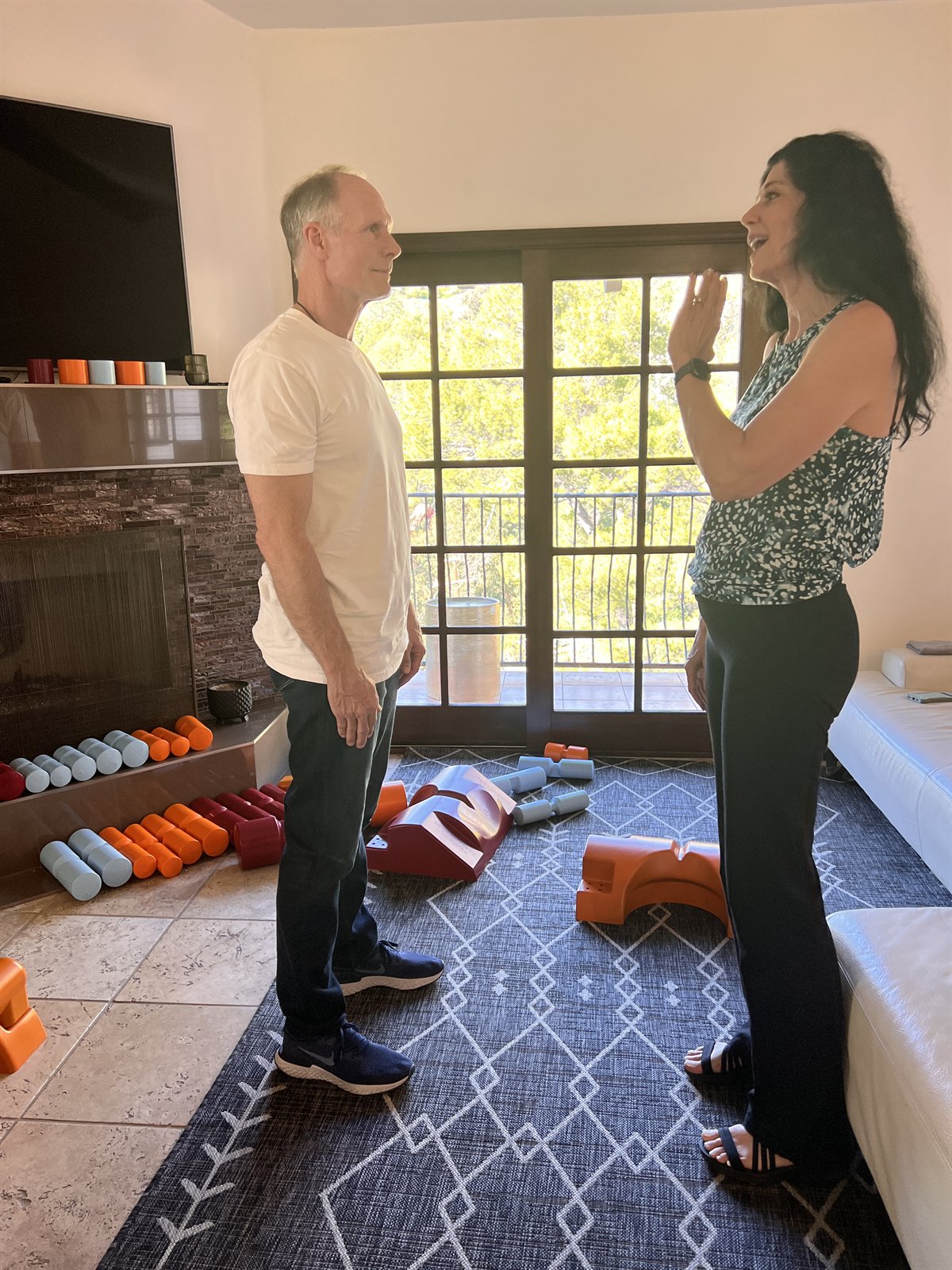


Back pain rarely begins with one dramatic event. More often, it develops gradually through long hours of sitting, forward head posture, shallow breathing, old movement habits, poor recovery, and the slow loss of spinal support.
That is why natural ways to relieve back pain work best when they address the source of stress on the body instead of chasing symptoms alone.
If your back feels stiff in the morning, tight after driving, or tired by the end of the day, your body may be asking for better alignment, better circulation, more efficient movement, and better recovery. Many people can improve mobility and resilience with practical changes that help restore function over time.
The most useful question is not only “Where does it hurt?”
It is also “What repeated pattern is making this area work too hard?”
Why Back Pain Often Has More Than One Cause
A strained muscle can hurt, but so can a compressed posture pattern, weak glutes, limited hip mobility, poor breathing mechanics, or a recovery system that is simply overloaded. In real life, these factors often stack together. That is one reason quick fixes disappoint.
A body that spends most of the day folded forward tends to develop predictable compensation patterns. The neck drifts forward, the shoulders round, the rib cage stiffens, and the lower back begins doing work that should be shared by the hips, trunk, and upper spine.
Common Factors That Can Contribute to Back Pain
Mechanical Stress
Poor posture, limited hip motion, weak support muscles, and repetitive positions can increase strain.
Recovery Load
Poor sleep, dehydration, stress, and inadequate nutrition can reduce resilience and prolong tension.
Movement Habits
Too little movement, overly aggressive exercise, or poor exercise form can all contribute.
The practical takeaway is simple: lasting relief usually requires looking at structure, movement, recovery habits, and daily inputs together.
1. Improve Posture Before You Chase Intensity
Many people try to stretch or strengthen their way out of pain while continuing the same posture habits that created it. That is like drying the floor while the faucet is still running.
Begin with how you sit, stand, and use your phone or computer. Keep the ears closer to the shoulders, let the lower ribs soften instead of flaring upward, and allow the pelvis to return toward a more neutral position.
Small Posture Changes Reduce Repeated Load
The spine responds more to repeated stress than occasional effort. A few better-positioned minutes repeated throughout the day can matter more than one aggressive stretching session.
This is where spinal fitness becomes valuable. Gentle tools that support natural alignment can help retrain position awareness and reduce the ongoing load that poor posture places on the neck and back. Supported posture work is often more realistic than forcing perfect posture all day.
2. Move More Often, but Move Smarter
One of the most effective natural ways to relieve back pain is frequent, low-stress movement. The spine generally responds well to circulation, variation, and muscular support. It often responds poorly to long periods of stillness.
Hard workouts are not always the answer. When the back is irritated, aggressive exercise can increase guarding. Walking, gentle mobility, decompression movements, and simple core activation are often better starting points.
Use Symptoms as Feedback, Not as a Challenge
- Choose movements that leave you feeling more open and stable afterward.
- Reduce range, load, or duration if symptoms increase.
- Avoid repeatedly pushing through sharp pain.
- Build consistency before intensity.
- Use qualified guidance when movement patterns are unclear.
The goal is to restore function, not prove toughness.
3. Use Heat to Support Circulation and Tissue Comfort
Heat is not only about comfort. When used appropriately, it may support relaxation, circulation, mobility, and recovery. For many adults dealing with stiffness and muscular tension, near infrared heat can be a useful part of a broader routine.
This approach often works best when paired with hydration, gentle movement, and rest. Heat alone does not correct a mechanical problem, but it may make the body more receptive to stretching, breathing, and mobility work.
When Heat May Help—and When to Be Cautious
General stiffness, muscle tension, and recovery discomfort may respond well to gentle heat. Acute injury, significant swelling, suspected instability, loss of sensation, or unexplained severe pain may require a different approach and professional evaluation.
Use heat conservatively:
Stop if you feel dizzy, weak, nauseated, overheated, or more painful afterward.
4. Retrain Breathing and Core Support
Back pain is not always only a back problem. Sometimes it is also a pressure-management problem.
When breathing remains shallow and high in the chest, the rib cage can become stiff and the deeper trunk system may contribute less effectively. The lower back may then pick up extra tension.
Gentle Breathing Can Reduce Unnecessary Bracing
A few minutes of slower nasal breathing, relaxed exhalation, and gentle lower-rib expansion can help improve how the trunk supports the spine. The goal is not to take the largest breath possible. It is to reduce unnecessary neck, shoulder, and low-back tension.
Breathing mechanics affect posture, muscular bracing, stress levels, and how comfortably you move. Better breathing can help support natural alignment and reduce the habit of over-tightening the back.
5. Support Recovery With Sleep, Hydration, and Mineral Balance
If the body never fully recovers, pain patterns tend to linger. Tissue repair, nervous system regulation, and muscle relaxation all depend on adequate sleep, hydration, and steady nutrient intake.
Magnesium receives a great deal of attention for muscle comfort, but it is only one part of a wider mineral network that supports nerve signaling, energy production, fluid balance, and resilience under stress.
Personalize Recovery Instead of Guessing
Chronic tension and poor recovery may reflect a combination of mechanical strain, sleep disruption, stress load, and nutritional patterns. Instead of taking random supplements, it often makes sense to look at the broader foundation and use educational tools appropriately.
This root-cause approach is central to the Eileen Durfee Method: support the body with better alignment, recovery inputs, and practical tools rather than relying on one isolated intervention.
6. Reduce Hidden Stressors That Keep the Body Tense
Pain is influenced by more than posture and exercise. Poor air quality, dehydration, chronic stress, poor sleep, and constant low-grade irritation can affect how the body feels and functions.
When the system is overloaded, muscles may guard more easily, sleep may suffer, and recovery may slow. That does not mean every back problem is caused by lifestyle stress. It means the environment can either support recovery or compete with it.
Lower the Background Load
- Improve hydration and regular meal timing.
- Reduce unnecessary fragrances and indoor irritants.
- Spend time outdoors when conditions are appropriate.
- Use short movement breaks to reduce prolonged muscular guarding.
- Build a calmer evening routine that supports sleep.
These changes may sound basic. They are basic—and often powerful—because they reduce background stress that can interfere with recovery.
7. Choose Tools That Help You Stay Consistent at Home
The best routine is the one you will actually use. Most people do not need a complicated plan. They need practical tools that fit real life and make healthy habits easier to repeat.
That might mean a spinal support tool that helps you decompress after sitting, a ten-minute posture routine, or heat therapy that becomes part of an evening recovery ritual.
Consistency Changes More Than Short Bursts of Motivation
Consistent use can influence movement habits, body awareness, and tissue tolerance more effectively than occasional aggressive effort. Tools are most useful when they help the body work with better mechanics rather than forcing range of motion.
A Simple At-Home Back Support Routine
- Take a brief walk or movement break every 30 to 45 minutes.
- Use gentle mobility before strengthening.
- Practice relaxed lower-rib breathing.
- Use supportive posture tools conservatively.
- Apply heat only when it improves comfort and movement.
- Prioritize sleep, hydration, and regular recovery.
When Natural Back Pain Relief Works Best—and When It May Not Be Enough
Natural strategies may be helpful when back pain is related to posture, tension, stiffness, deconditioning, overload, or poor recovery habits. They can also complement professional care when used thoughtfully.
Self-care is not appropriate for every situation. Seek prompt medical evaluation if pain follows a significant fall or injury, or if it is accompanied by progressive weakness, numbness in the groin or saddle region, loss of bladder or bowel control, fever, unexplained weight loss, severe night pain, or other concerning symptoms.
Long-Term Relief Usually Comes From Better Patterns
Relief usually comes from a pattern of better posture, breathing, movement, recovery, and daily inputs—not from one miracle technique.
Back pain can make you feel older than you are. It can reduce confidence and make familiar activities feel harder. But the body is often more adaptable than people expect. With a thoughtful strategy, steady practice, and tools that support natural alignment, many people can begin restoring function and moving with greater freedom, strength, and resilience.
Why I Start at the Mid-Back, Even When the Low Back Hurts
When someone comes to me pointing at their lumbar spine, my attention goes first to the floors above and below it — and after years of practice, that habit has earned its keep. The low back is the crossroads of the body: when the thoracic spine above stiffens into flexion and the hips below lose extension, the lumbar segments inherit every motion its neighbors refuse to perform. Twisting, reaching, standing, walking — the low back does its own job plus two others, all day, indefinitely. Of course it aches. It is the only honest worker in a lazy department.
That is why direct assault on the painful area so often disappoints — aggressive lumbar stretching and rolling ask the most overworked tissue to also tolerate treatment. My sequence goes the other way: restore extension in the mid-back over the roll, open the hips, and only then give the low back gentle, patient attention. People are routinely startled by how much lumbar relief arrives from work that never touched the lumbar spine — usually within a couple of weeks — because the pain was never really a low-back problem. It was a workload problem wearing a low-back disguise. Relieve the workload and the crossroads finally gets to rest.
Frequently Asked Questions About Natural Back Pain Relief
What are the best natural ways to relieve back pain?
Helpful strategies may include improving posture, walking regularly, using gentle mobility and core exercises, supporting recovery with sleep and hydration, and using heat appropriately for stiffness and muscular tension.
Can poor posture cause or worsen back pain?
Poor posture can increase muscular effort and place repeated stress on the back, hips, neck, and rib cage. Improving alignment and changing daily habits may reduce some posture-related strain.
Is walking good for back pain?
Walking is often a useful low-stress activity because it supports circulation and gentle movement. The appropriate amount depends on the cause and severity of pain.
Can near infrared heat help back stiffness?
Near infrared heat may help some people relax, feel less stiff, and move more comfortably. It does not correct serious structural or neurological causes of pain.
When should back pain be medically evaluated?
Seek prompt evaluation for pain after significant injury, progressive weakness, numbness in the saddle area, loss of bladder or bowel control, fever, unexplained weight loss, severe night pain, or other concerning symptoms.
Build a Stronger Foundation for Back Comfort
Better posture, smarter movement, easier breathing, appropriate heat, and consistent recovery can work together to support long-term mobility and resilience.
Keep Exploring
- Spinal Health & Biomechanics pillar
- The Neck Shaper Kit
- Back-Trac hard foam roller
- Top 5 Back Pain Solutions — on Creatrix Solutions
- Solutions for Back Pain Relief — on Creatrix Solutions
- Types of Back Pain & How Do You Treat Them — on Creatrix Solutions
- Back Down Causes and Consequences of Pain — on Creatrix Solutions
- What Are the Different Types of Back Pain and How Do You Treat Them? — on Wellness Shopping Online
- Six Tips for Better Posture and Less Back Pain — on Creatrix Solutions
- Cutting-Edge Back Pain Solutions for Long-Term Relief — on Creatrix Solutions