

Every sauna guide says the same two words about hydration — drink water — and then moves on as if the subject were settled. It is not settled. A person sweating regularly is running different arithmetic than a person who is not, and what leaves the body in a good sweat is not just water. Getting the replacement right is the difference between a sauna habit that builds you up and one that slowly, mysteriously runs you down.
What Actually Leaves in Sweat
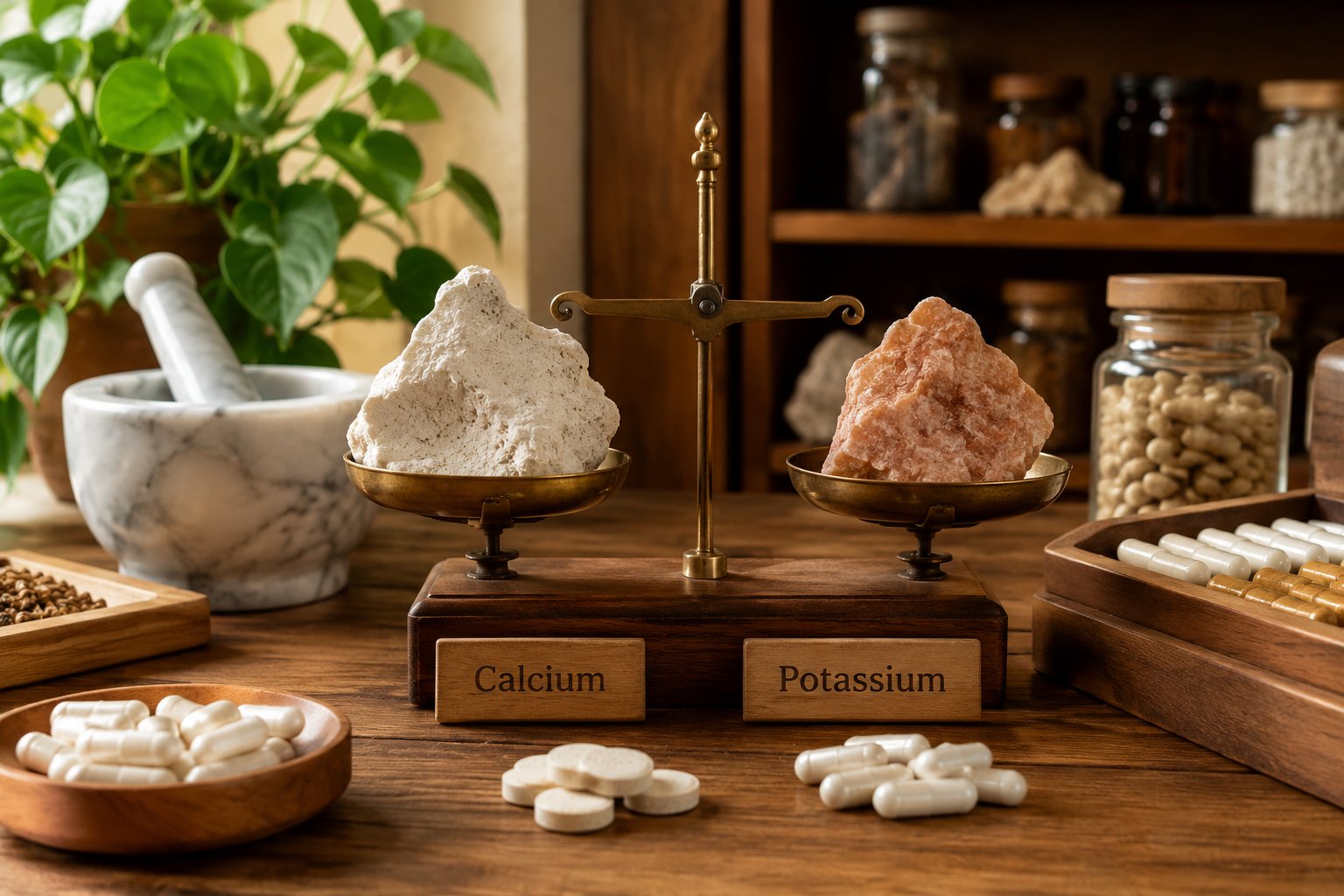
Sweat is filtered from blood, and it carries blood’s chemistry out with it: sodium in the largest amounts, potassium and magnesium in smaller but meaningful ones, along with trace minerals. Traditional detoxification practice values the sweat precisely because it is not pure water — the skin is an elimination route. But the ledger has two sides. A committed near infrared habit — most days, a real sweat each session — moves an amount of minerals over a month that casual hydration advice never anticipated.
Why Plain Water Alone Falls Short
Rehydrating a mineral-spending body with mineral-empty water dilutes what remains — you can feel this as the flat, washed-out heaviness some people get after heavy sweating despite drinking plenty. Water without minerals quenches the number on the scale, not the chemistry. The fix is not exotic: it is putting the minerals back alongside the water, the way every traditional sweating culture — from bathhouse to harvest field — always did.
The Salt Question Nobody Asks
Modern advice treats salt purely as a thing to restrict, which makes sense for a sedentary person eating packaged food — refined table salt riding processed meals is genuinely worth limiting. A sweating person replacing losses is a different case, and the salt itself is a different question. Unrefined mineral salts bring sodium accompanied by its natural spectrum of companion minerals; refined salt brings sodium stripped bare with anti-caking agents for company. For the sauna glass, the unrefined version is the one doing the job you actually need done.
Water Worth Rehydrating With
The base matters as much as the salt. Know your tap — your utility publishes a water quality report, and a filter matched to that report (carbon-based for most; professionally specified systems such as Culligan where PFAS, volatile organics, or pharmaceutical traces show up) removes what should not be there while leaving the water’s own dissolved minerals in place. I encourage people not to strip water bare with reverse osmosis or distillation: mineral-empty water is exactly the wrong rehydration for a sweating body. Filter to the report, keep the minerals, and let the water hold its structure.
My Post-Sauna Glass
Mine is unglamorous and has not changed in years: a large glass of filtered, mineral-bearing water with a small pinch of unrefined mineral salt dissolved in it, drunk slowly during the cool-down while the sweat finishes. On heavy days — long session, summer heat, a workout stacked on top — a second glass an hour later. When I built hydration into the Eileen Durfee Method, this glass earned its place through client results: the people who adopted it stopped reporting the post-sauna headache and afternoon flatness that had them wondering whether the sauna disagreed with them. It almost never did. Their rehydration did.
Signs Your Rehydration Math Is Off
The body posts its ledger publicly: headaches arriving an hour or two after sessions, muscle cramps or eyelid twitches on sauna days, unusual fatigue after what should have been restorative heat, or lightheadedness on standing. Any of these after sweating is worth reading as a replacement problem before anything more exotic — and if they persist once the water-plus-minerals routine is consistent, that is a conversation for your practitioner, ideally with a mineral test in hand rather than a guess.
When the Losses Multiply
The baseline math covers an ordinary session in an ordinary week — then life multiplies it. Summer stacks ambient sweating on top of sauna sweating. Training does the same, and the popular habit of sauna-after-workout doubles the day’s mineral spend in a single afternoon. Travel adds its own drain through dry cabin air and disrupted eating. None of this argues against the habits — it argues for scaling the replacement with the spend: the heavy days get the second glass, a slightly more generous pinch, and an extra measure of attention to the warning signs. The people who get into trouble are never the ones sweating the most; they are the ones replacing like it is January while living like it is July.
Minerals Come From the Plate, Too
The post-sauna glass handles the acute replacement; the table handles the reserves. Mineral-dense eating is unglamorous and effective — broths made from bones and vegetables, leafy greens, nuts and seeds, real food carrying its minerals in the packaging nature shipped them in. A sweating household does well to treat these as staples rather than occasional virtues. No supplement protocol appears in this paragraph on purpose: broad mineral supplementation without a test is guesswork, and the guessing sometimes lands on exactly the wrong side of a pattern. Food first, the glass after sweat, and a tissue mineral analysis when you want the replacement tailored instead of averaged.
Think Like a Bookkeeper, Not a Camel
The camel strategy — enormous hydration before, nothing after — is how most people actually behave, and it fails because the body is not a storage tank. The bookkeeper strategy wins: modest deposits before, honest replacement after, accounts reviewed whenever the warning signs post a complaint. It takes no more effort, only more attention, and it is the difference between a sauna practice that compounds for years and one that quietly overdraws the account it was meant to fill.
Frequently Asked Questions
Do I need to weigh myself before and after sessions?
Serious athletes use the scale to quantify sweat losses, and you certainly can — the difference is nearly all water and it calibrates your replacement quickly. For everyday practice the simpler dashboard works fine: how you feel an hour after the session, whether the warning signs stay quiet, and whether the next morning starts well. Measure if you enjoy data; listen either way.
Should I salt-load before a session the way athletes do before events?
No need — pre-loading belongs to competition scenarios, not daily practice. The ordinary rhythm of a glass before and honest replacement after keeps daily sauna use comfortably in balance, and it avoids teaching your thirst signals to expect artificial spikes.
Does the same math apply to hot yoga and exercise sweating?
Entirely — sweat is sweat, whatever room it happens in. Hot yoga practitioners, runners, and sauna users are all working the same ledger, and stacking two of them in one day is precisely when the second glass and the slightly more generous pinch earn their keep.
Is sparkling water fine for rehydration?
If bubbles make you drink more willingly, they are on your side — mineral content matters far more than carbonation. Many sparkling mineral waters arrive with a respectable mineral load built in; check the label and count it toward the good column.
How much should I drink around a session?
A glass before, and enough after that you are comfortably rehydrated within the hour — for most people that is one to two large glasses per solid sweat, adjusted by session length, season, and body size. Thirst plus the warning signs above calibrate you better than a fixed number.
What about commercial electrolyte powders?
Read them like the labels they are: many are sugar or sweetener delivery systems with electrolytes as the garnish. A pinch of unrefined salt in good water does the core job with one honest ingredient. If you prefer a powder, choose one whose ingredient list you can say aloud.
I have blood pressure concerns. Should I be adding salt at all?
This one belongs to your doctor, full stop — sodium guidance under medical management is individual. Bring the sweating habit into that conversation, because advice calibrated for a sedentary patient may read differently for a daily sauna user, and only your clinician can make that call.
Does coffee after a sauna undo the rehydration?
Not undo — but coffee is working the other side of the ledger, and stacking it directly on top of a big sweat is how some people manufacture their own headache. Rehydrate first, coffee after; the order alone fixes most of it.
Is ozonated water good for post-sauna rehydration?
I keep them as two separate rituals — the ozonated glass belongs to the empty-stomach morning, while post-sauna rehydration wants volume and minerals. Same kitchen, different jobs.
The wider picture of supporting elimination — sweat included — lives on the Detoxification pillar, and session-level guidance is collected on the Near Infrared Therapy pillar.
Keep Exploring
This article is for educational purposes only and does not constitute medical advice, diagnosis, or treatment.