
When your afternoon energy disappears, another cup of coffee may feel like the only practical answer. But natural remedies for low energy work best when they address the conditions that quietly drain your reserves in the first place: poor sleep, shallow breathing, mineral depletion, a stiff spine, under-fueling, stress, and a home environment that does not support recovery.
Low energy is not a character flaw, and it is not always solved by trying harder. The body is an energy-producing system. When its structure, inputs, and recovery signals are working against one another, fatigue can become the predictable result. A better approach is to look for the daily stressors you can change and build a stronger foundation one step at a time.
Why Low Energy Is Often a Foundation Problem
Many people try to raise energy with stimulation before asking why their energy is low. Caffeine, sugar, and even an intense workout can temporarily push the body forward. Yet if sleep is interrupted, meals are inconsistent, the neck and upper back are tense, or the body is not recovering well, those strategies can lead to a bigger crash later.
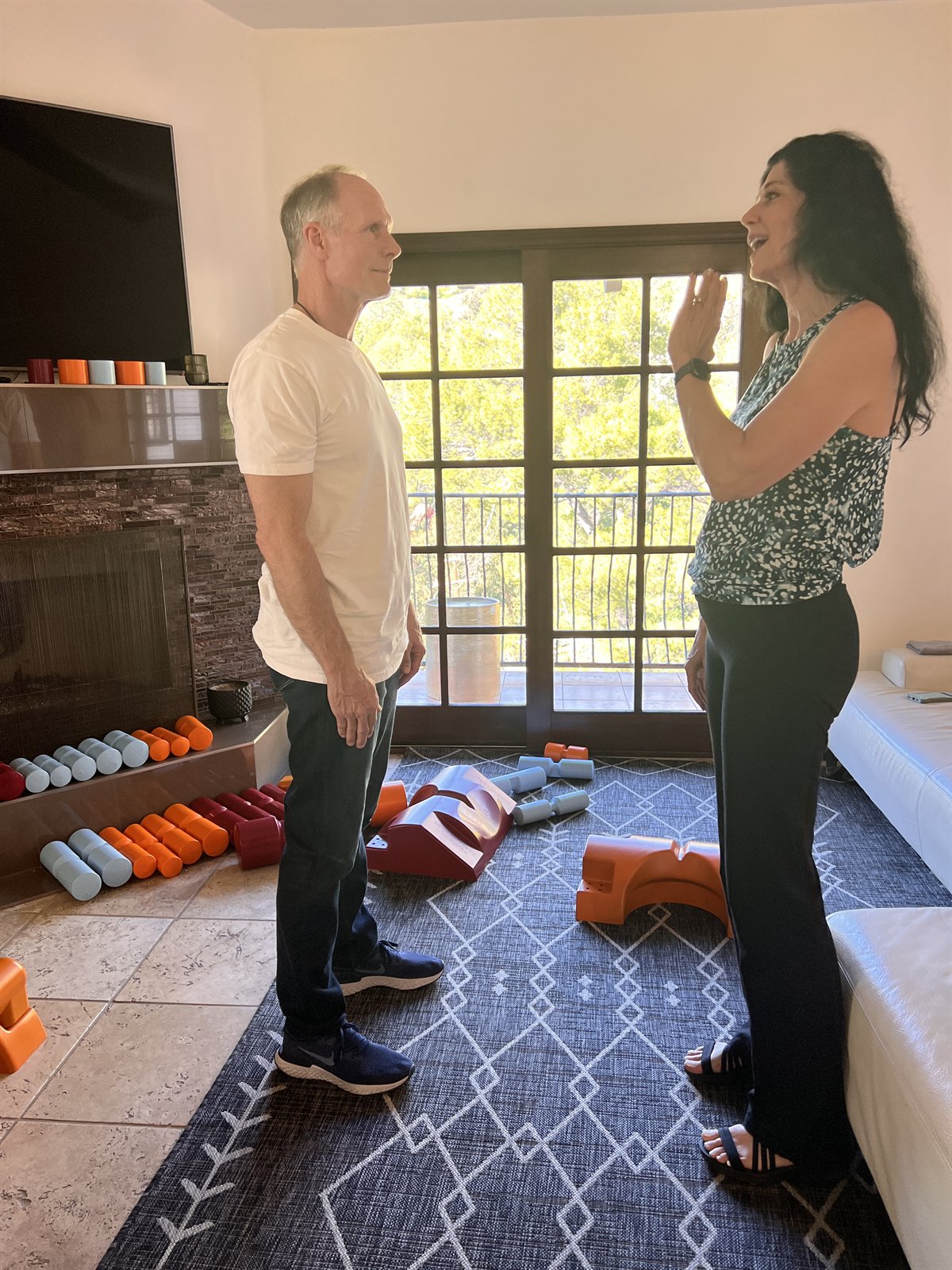
Posture is one overlooked part of the energy equation. Forward head posture, rounded shoulders, and a compressed upper body can make full breathing more difficult and turn ordinary movement into extra work. The body then spends more energy compensating for poor alignment. Supporting natural alignment does not promise a quick fix, but it can reduce unnecessary physical stress and improve the way you move through the day.
Energy also depends on whether the body has the raw materials and recovery time it needs. Minerals, protein, hydration, light exposure, movement, restful sleep, and a lower burden of daily stress all play a role. The Eileen Durfee Method looks at these connected pieces rather than treating fatigue as a single isolated problem.
Natural Remedies for Low Energy That Build Real Resilience
Start with morning light and gentle movement
Your body clock responds strongly to light and movement. Getting outside soon after waking, even for a short walk, helps reinforce the difference between daytime and nighttime. This can support alertness during the day and make it easier to settle into a more consistent sleep rhythm later.
Add movement before you feel motivated to do it. Five to ten minutes of walking, easy rebounding, mobility work, or gentle spinal movement can increase circulation and help shake off the heavy, stagnant feeling that often follows long periods of sitting. The goal is not to exhaust yourself. It is to give your body a clear signal that the day has begun.
If you wake up depleted after a poor night of sleep, choose low-intensity movement over a punishing workout. Recovery capacity matters. A hard workout may be useful for one person and too stressful for another, especially when sleep, nutrition, or mineral status is already compromised.
Eat for steady fuel, not a sharp spike
A breakfast of sweetened coffee and a pastry can create a fast rise in perceived energy followed by a midmorning drop. For steadier fuel, begin meals with protein and include fiber-rich carbohydrates and healthy fats that suit your needs. Eggs with vegetables, plain yogurt with berries and nuts, or leftovers from a balanced dinner can be more sustaining than a sugar-heavy breakfast.
Skipping meals is another common energy drain. Some people do well with a defined eating window, while others become shaky, unfocused, or irritable when they wait too long to eat. It depends on the person, activity level, sleep quality, and current stress load. Pay attention to the pattern rather than following a nutrition trend blindly.
Hydration matters too, but more water is not always the whole answer. If you sweat heavily, drink large amounts of plain water, or eat a very restricted diet, your body may also need adequate minerals from food. Mineral-rich whole foods, including leafy greens, beans, vegetables, quality protein, and properly prepared whole grains, can help support the body’s normal energy processes.
Consider mineral balancing instead of guessing
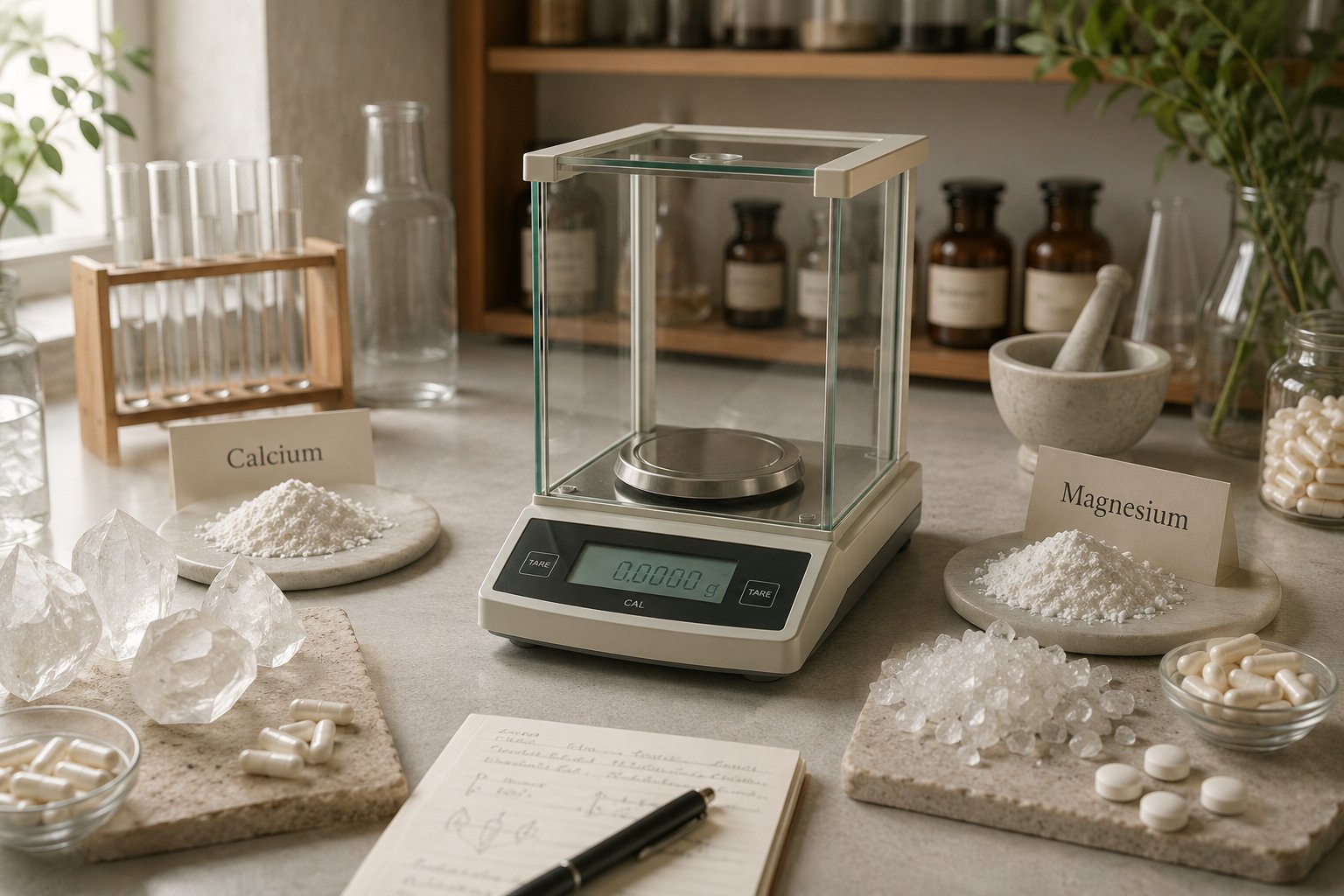
Minerals are involved in muscle function, stress response, hydration, sleep quality, and the many enzyme reactions that help create energy. Yet supplementing based only on a social media trend can be counterproductive. One person may need more support in a particular area, while another may need a different approach entirely.
Hair Tissue Mineral Analysis, or HTMA, offers a way to look at longer-term mineral patterns and discuss nutrition support more personally. It is not a diagnosis and should not replace medical evaluation, especially when fatigue is new, severe, or persistent. Used thoughtfully, it can help people move beyond random supplement shopping and toward a more informed plan for mineral balancing, food choices, and recovery habits.
Improve sleep quality before adding more stimulants
You do not need a perfect bedtime routine to improve your sleep. You need a repeatable one. Start by choosing a realistic wake time, dimming lights in the evening, and avoiding a second wind of work, news, or scrolling right before bed. A cool, dark, quiet room gives the nervous system fewer reasons to stay alert.
Neck discomfort and upper-back tension can also interfere with sleep. Gentle mobility work, better pillow positioning, and practical spinal fitness tools may help support a more comfortable resting position. The goal is to restore better function over time, not force your body into an aggressive posture correction routine.
If snoring, frequent waking, shortness of breath, or unrefreshing sleep continues despite reasonable habits, speak with a qualified healthcare professional. Sleep problems deserve attention because they affect far more than tomorrow morning’s energy.
Use heat as a recovery practice, not a punishment
Warmth can be deeply restorative when used appropriately. A near-infrared sauna session, warm bath, or gentle heat practice may help you relax tight muscles, encourage circulation, and create a calmer transition into recovery. For people who have difficulty sweating or relaxing after a stressful day, heat can be a useful part of a broader routine.
The trade-off is that heat also places demands on hydration and recovery. Start conservatively, pay attention to how you feel, and avoid pushing through dizziness, nausea, or unusual discomfort. People with medical conditions, those who are pregnant, or anyone taking medications that affect heat tolerance should ask a qualified clinician before using sauna therapy. Patented Sauna Fix® near-infrared sauna systems were designed around practical home wellness, but the best session is one your body can recover from well.
Reduce the energy cost of poor air and shallow breathing
Stuffy indoor air, dust, fragrances, smoke, and other irritants can make a room feel draining. Improving ventilation, reducing unnecessary scented products, changing filters as needed, and keeping the bedroom cleaner can support a more restorative environment. Clean air is not a luxury when you spend hours each day indoors.
Then consider how you breathe while sitting, working, and walking. A tense neck and collapsed chest often encourage short, upper-chest breathing. Periodically stand tall, let the shoulders settle, and take several slow breaths that expand the ribs without straining. This small practice can interrupt the physical pattern of stress and help you feel more present.
A Practical 7-Day Energy Reset
Do not attempt to overhaul every habit on Monday morning. Choose a simple experiment for one week: get morning outdoor light, eat a protein-centered first meal, take two short movement breaks, and create a consistent wind-down time. Keep notes on your energy at 10 a.m., 2 p.m., and after dinner.
After seven days, look for useful clues. Did you sleep more deeply when you walked in the morning? Did the afternoon slump improve when you ate lunch before becoming overly hungry? Did less screen time at night change your mood or motivation? These observations are more valuable than generic advice because they show where your own system responds.
Low energy can also have medical causes, including medication effects and conditions that need professional assessment. Seek medical guidance promptly for sudden or severe fatigue, chest pain, fainting, unexplained weight changes, persistent shortness of breath, or fatigue that does not improve.
You do not need to chase energy all day. Support the inputs that create it: better alignment, restorative sleep, steady nourishment, minerals, clean air, manageable movement, and recovery practices that fit your real life. Small changes, repeated consistently, can help you age with greater strength, mobility, and energy.
The Pattern I See on Low-Energy Lab Reports
Fatigue is where my structural work and my laboratory work meet, because after years of reviewing hair tissue mineral analysis reports, low energy has a look. The person arrives certain something is deeply wrong — and their blood work agrees that nothing is. Then the HTMA comes back, and the same signatures appear again and again: a sluggish oxidation rate, the mineral tempo of a metabolism running in low gear; a depleted sodium-to-potassium relationship, the classic fingerprint of a stress response that has been spending faster than it earns; and the trace minerals that energy production depends on sitting well below ideal. Nothing diseased. Everything expensive.
What I want tired readers to hear is the reframe that lab pattern makes possible: your fatigue is often not a mystery or a character flaw — it is a budget problem, and budgets can be rebuilt. The habits in this article are exactly how: minerals replace what stress spent, sleep and gentle heat lower the daily overhead, structure and breathing reduce the cost of simply existing upright. Measured support, aimed at the actual pattern, beats caffeine-and-willpower every time. And if you want to see your own numbers rather than guess, a professionally reviewed lab evaluation turns “always tired” into a pattern with a plan.
Frequently Asked Questions
Why am I exhausted when my blood work is normal?
Because blood is the last place the body lets depletion show — it defends circulating levels by drawing on tissue reserves. Normal blood work rules out much that matters medically; it does not measure the reserves and mineral patterns that daily energy runs on, which is why the foundations in this article help exactly this group most.
Does caffeine make the problem worse?
Caffeine is a loan, not income — it spends adrenal signaling now against energy later, which is fine occasionally and costly as a system. You do not have to quit; anchor it early in the day, cap the escalation, and let the foundations gradually shrink the need it was covering.
Which single habit helps flagging energy fastest?
Guarding your sleep window — consistent times, a dark cool room, and a genuine wind-down — because sleep is when every other investment pays out. Most people feel that one change within a week, which buys patience for the slower foundations.
Can dehydration really cause fatigue?
Yes, and it is the cheapest fix on the list — even mild dehydration measurably dulls energy and focus. Water alone can fall short if minerals are depleted; a pinch of unrefined salt in your water helps what you drink actually hydrate.
When is fatigue a medical matter rather than a foundation matter?
Sudden, severe, or worsening exhaustion, fatigue with symptoms like chest pain, breathlessness, or unexplained weight change, or tiredness that persists despite weeks of honest foundations — those belong with your healthcare provider promptly. Foundations complement medical care; they never replace the questions only it can answer.