
Chronic pain rarely feels like one isolated problem. A sore low back can change how you walk, tight shoulders can interfere with sleep, and a stiff neck can make desk work, driving, and exercise more draining than they should be. The most useful wellness products for chronic pain do not promise a quick fix. They help create better conditions for the body to move, recover, rest, and adapt.
That distinction matters. When discomfort has been present for months or years, people often collect products that address symptoms for a few minutes but do not change the daily stresses that keep adding up. A more practical approach is to look at posture, spinal movement, sleep, circulation, environmental load, nutrition, and recovery as connected parts of one foundation.
Start With the Stress Pattern, Not the Product
A product is only as useful as the problem it is chosen to support. For one person, the main stress may be hours of forward-head posture over a computer. For another, it may be weak spinal support, shallow breathing, poor sleep, mineral imbalances, or a home environment that makes recovery harder.
This is why a single universal recommendation does not exist. Heat may feel supportive for someone with muscle tension, yet someone who is heat-sensitive, dehydrated, or managing a medical condition should use extra caution and discuss new routines with a qualified clinician. A posture tool may be valuable for a person whose daily alignment is compromised, but it cannot replace gradual strength-building, appropriate movement, or an evaluation of persistent or worsening pain.
The Eileen Durfee Method begins with this systems view: address the source of stress on the body and give it practical support. Rather than asking, “What product will make this go away?” ask, “What is repeatedly placing demand on my body, and what would help restore better function?”
Wellness Products for Chronic Pain: The Core Categories
Spinal fitness and posture support
The spine is not designed to stay locked in one position all day. Yet modern routines often train the body into rounded shoulders, a forward head, compressed hips, and shallow breathing. Over time, this pattern can make ordinary activities feel more difficult because the muscles are working around poor alignment rather than supporting efficient movement.
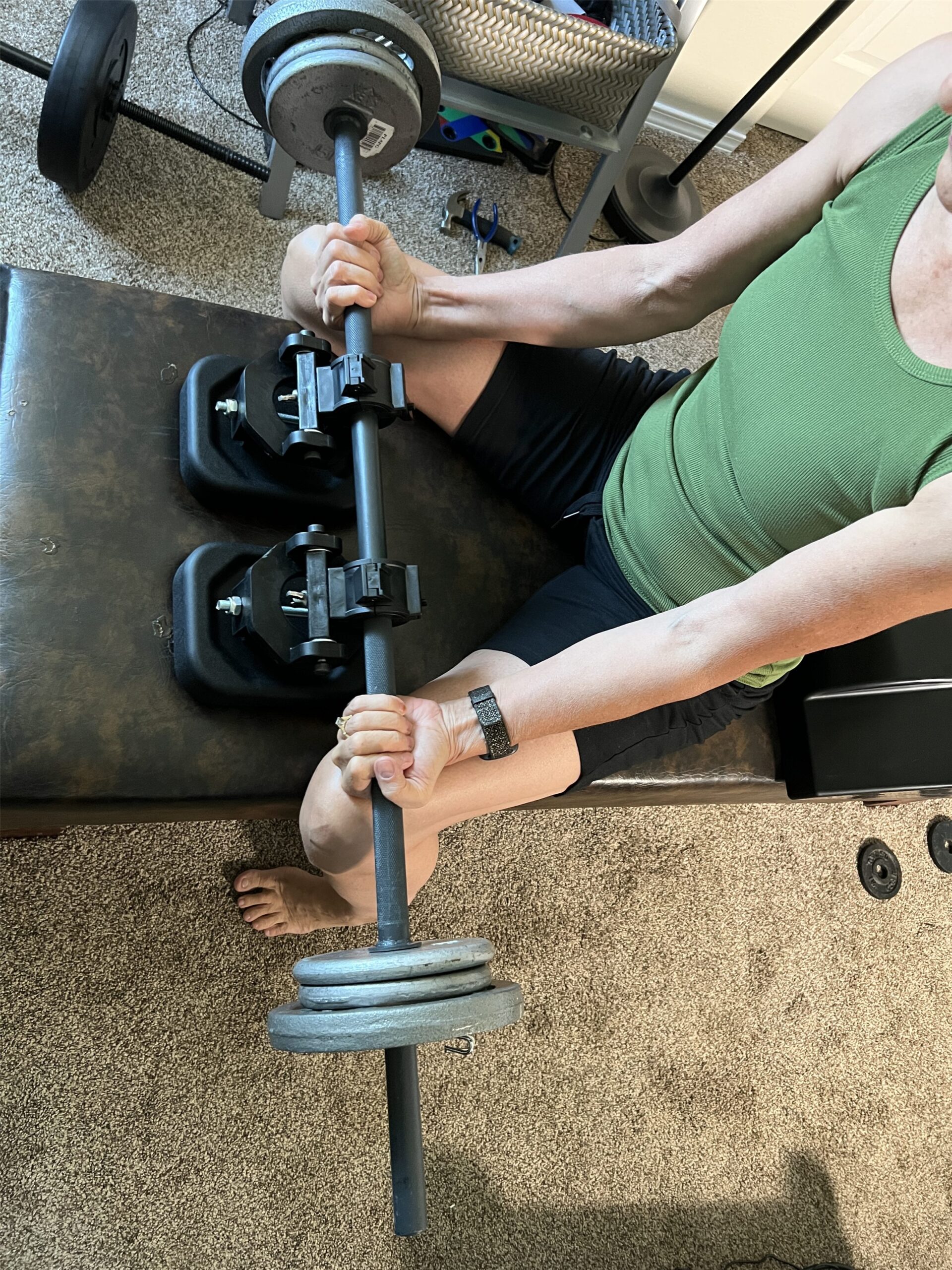
Spinal fitness tools can provide a structured way to work on extension, mobility, and postural awareness at home. Tools such as a back traction support or a neck-shaping system are best viewed as training aids, not passive cures. Used thoughtfully and consistently, they may help people become more aware of where they hold tension and encourage more natural alignment.
The trade-off is that stronger sensations are not always better. Start with short sessions, follow product guidance, and stop if a tool causes sharp pain, numbness, dizziness, or symptoms that do not settle. People with significant spinal conditions, recent injuries, or unexplained neurological symptoms should seek professional guidance before using traction-style devices.
Near-infrared heat for recovery routines
Gentle heat can be one of the simplest ways to make a recovery routine more inviting. Near-infrared sauna systems are commonly used to support relaxation, comfortable movement, circulation, and a healthy sweat response. For people who feel stiff before activity or have trouble winding down at night, a carefully paced heat routine may create a useful transition into stretching, hydration, breathing practice, or sleep.
The engineering matters here. Portable sauna tents and near-infrared systems vary in materials, heat delivery, comfort, and ease of use. A thoughtfully designed option, such as Sauna Fix®, is intended for real-world home wellness use rather than forcing people into an uncomfortable or complicated ritual.
Heat is a support tool, not a test of endurance. Begin at a comfortable temperature and duration, drink water, and leave the session if you feel lightheaded, nauseated, or unwell. If you take medications, are pregnant, have cardiovascular concerns, or have been advised to limit heat exposure, check with your health professional first.
Sleep and comfort tools that reduce nightly strain
Pain and poor sleep can create a frustrating cycle. When sleep is interrupted, the body has less opportunity to recover from daily physical and emotional stress. Then fatigue can make posture, exercise choices, food choices, and resilience harder to manage the next day.
Supportive sleep products are not about finding one perfect pillow or mattress for everyone. They are about reducing obvious strain. A pillow that pushes the head too far forward, a mattress that leaves the hips unsupported, or a sleeping position that repeatedly twists the low back may all contribute to a restless night.
Small changes are often more useful than dramatic ones. Try adjusting support gradually and pay attention to how you feel after several nights, not just one. Pair comfort tools with a simple pre-bed routine: dimmer light, a few minutes of gentle mobility, slower breathing, and less screen time close to sleep.
Clean air and water as part of the recovery environment
The environment around you is part of your wellness plan. Poor indoor air, irritating odors, dust, and inconsistent water quality can add stress to an already taxed system. No air or water product can guarantee health outcomes, but improving the quality of the spaces where you sleep, breathe, and recover is a sensible foundational step.
Air purification can be especially relevant for people who notice that stale air, seasonal particles, pets, or household odors affect their comfort. A well-designed system such as Breathe Safe® can support a cleaner indoor environment without making wellness feel like another complicated project. This is a quieter form of prevention: reduce unnecessary irritants where possible so the body has fewer demands competing for its resources.
Mineral and nutrition support guided by information
Muscles, nerves, energy production, and stress response all depend on adequate nutrition. But random supplementation can become expensive and confusing, especially when chronic discomfort has motivated someone to try everything at once.
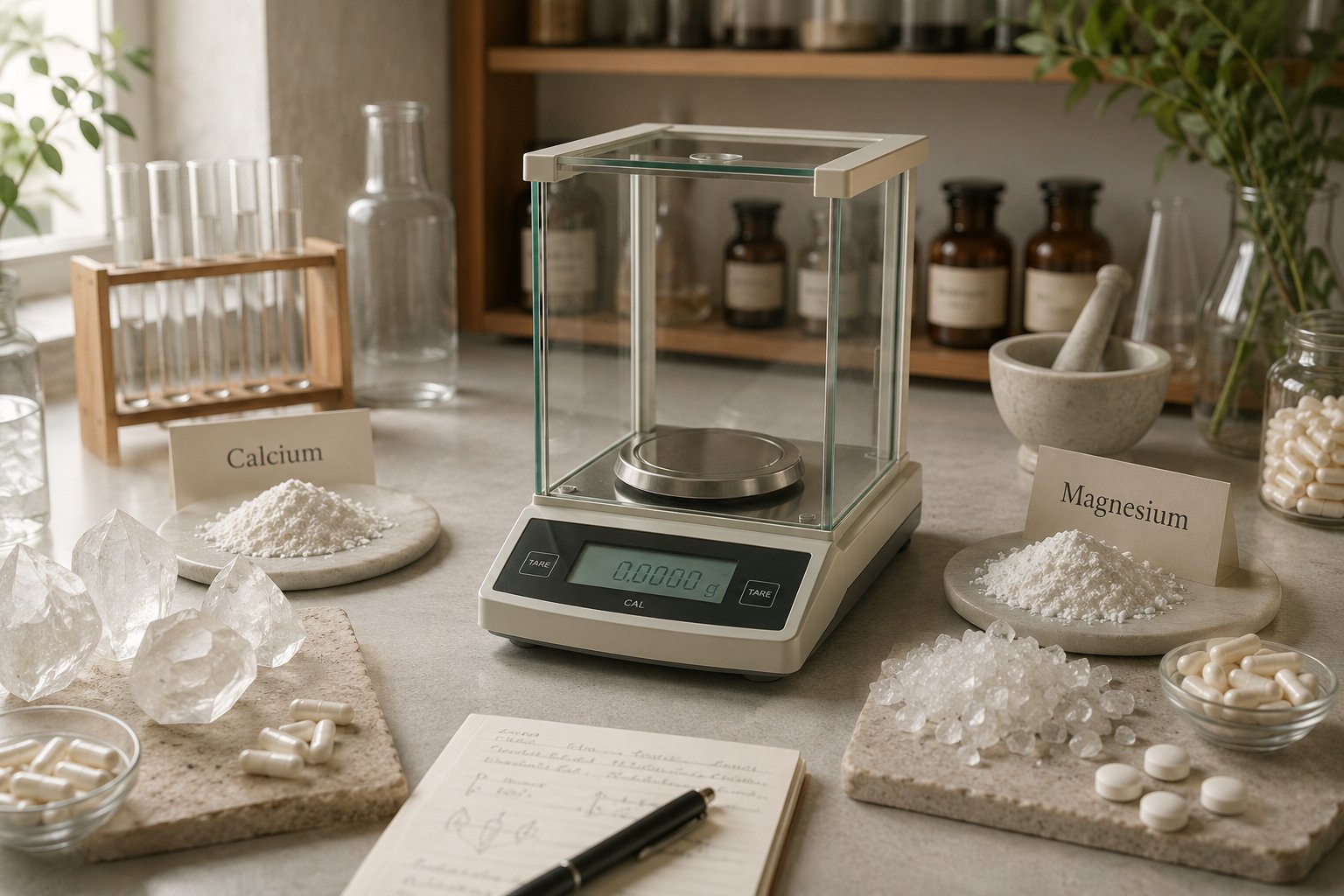
A more disciplined route is to start with food quality, hydration, protein, and regular meals, then consider personalized information. Hair Tissue Mineral Analysis, often called HTMA, may help identify mineral patterns that are worth discussing with a qualified nutritional balancing practitioner. It is not a diagnostic test and should not be used as one. Its value is in helping organize a broader wellness conversation around nutrition, stress, energy, and recovery.
When supplements are appropriate, choose them for a clear reason, introduce one change at a time, and pay attention to tolerance. Quality, dose, medication interactions, and individual needs all matter. This is where education is more valuable than a crowded supplement cabinet.
Build a Routine You Can Actually Repeat
The best wellness product is often the one that fits into a consistent routine. A complicated plan used twice is less helpful than a modest plan practiced most days. Begin with one area that seems most connected to your discomfort.
If sitting leaves you tight and compressed, a short posture and mobility practice may be the first place to start. If your body feels guarded and restless at the end of the day, gentle heat followed by hydration and sleep preparation may be more appropriate. If fatigue and inconsistent recovery are central concerns, focus on nutrition, mineral education, and creating a less stressful home environment.
Track practical markers rather than chasing perfection: how easily you get out of a chair, how long you can walk comfortably, whether you wake less stiff, how your energy holds up through the afternoon, and whether you feel more confident moving. These observations can reveal progress that a pain score alone may miss.
Know When Products Are Not Enough
Wellness tools belong beside appropriate medical care, not in place of it. New severe pain, pain after a significant injury, progressive weakness, loss of balance, numbness, bowel or bladder changes, chest pain, fever, or unexplained weight loss deserves prompt medical attention.
For ongoing discomfort, it can also be valuable to work with professionals who can assess movement, medical history, and daily demands. The goal is not to hand over all responsibility. It is to combine wellness education with practical tools and informed guidance.
A stronger foundation is built one repeatable choice at a time. Choose products that make healthy movement, better rest, cleaner surroundings, and thoughtful recovery easier to practice, then give your body the time and consistency it needs to improve mobility and resilience.
Why I Design for the Worst Day, Not the Best
Living through my own years of chronic health problems left one design principle stamped on everything I make: the tool has to work on the day you feel terrible, because with chronic pain, that is the day that decides everything. Anyone can use anything on a good day. But a routine that requires driving somewhere, setting up equipment, or gritting through intensity will be abandoned precisely when it is needed most — and abandoned routines are why most chronic pain products end up in closets.
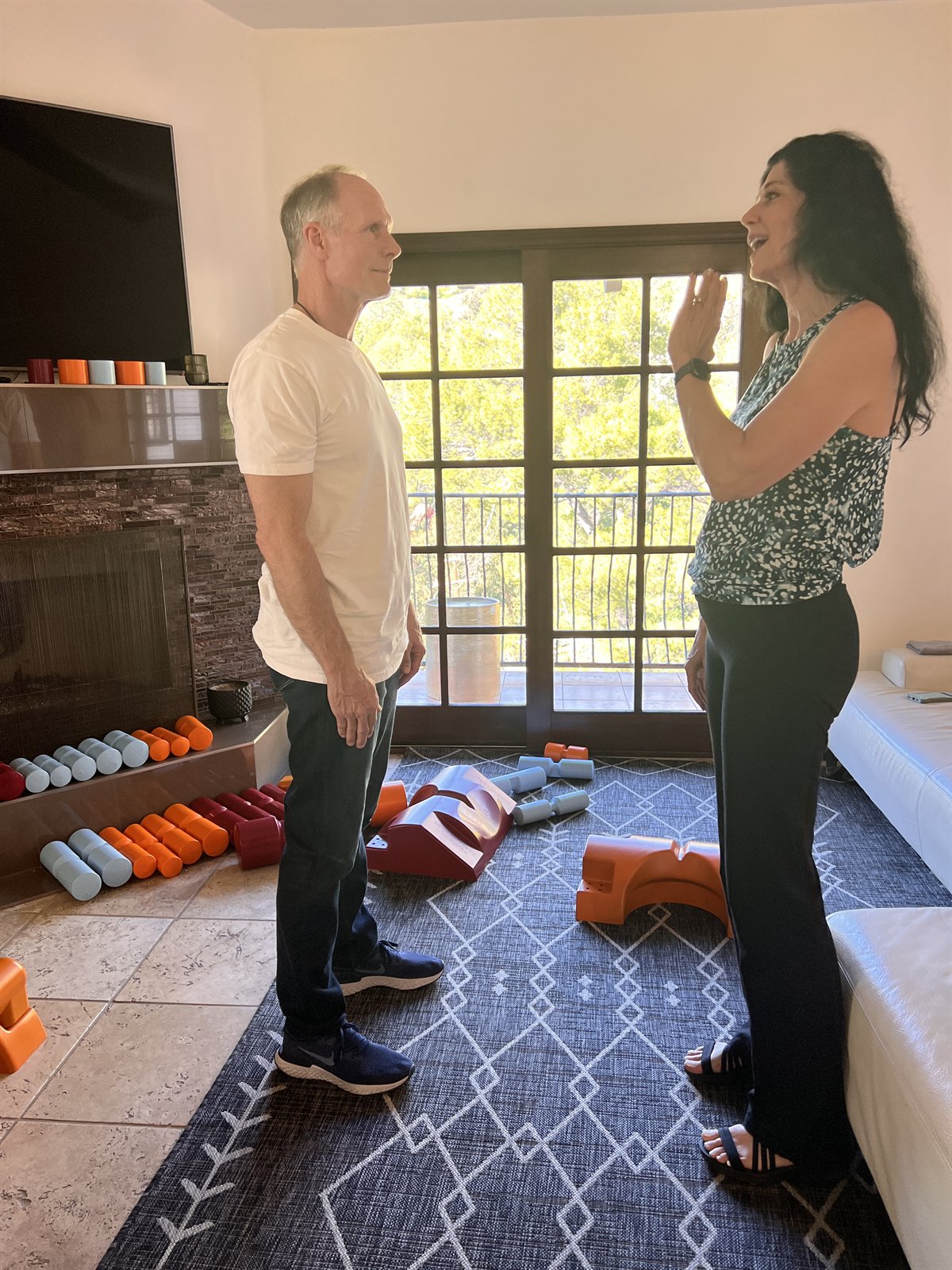
So I apply the worst-day test relentlessly. The sauna warms in minutes and runs at 110–140°F, because on a flare day nobody negotiates with a 180-degree room, but nearly anyone can rest in gentle radiant warmth. The foam rolls live in a basket at arm’s reach and demand three minutes lying down — no floor gymnastics, no setup. Everything works at home, in ordinary clothes, without willpower as an ingredient. Here is the encouraging arithmetic that follows: on the worst days the gentle version keeps the streak alive, on the ordinary days it compounds, and after a few months the worst days themselves quietly become less frequent. Consistency is not one virtue among many for chronic pain — it is the entire mechanism, and the products’ job is to make consistency nearly effortless.
Frequently Asked Questions
Which product category should someone with chronic pain start with?
Start where your pain pattern starts: structural tools (properly sized spinal rolls) if positions and posture drive your symptoms, gentle heat if muscle guarding and tension dominate. One tool, used daily for a month, will teach you more than five tools sampled — and its results will tell you what to add second.
Is heat or cold better for chronic pain?
For most persistent, non-acute pain, gentle heat serves better — it eases guarding, supports circulation, and invites movement, where cold numbs briefly and stiffens. Cold has its place in fresh acute injuries. For the long game, comfortable radiant warmth you will actually use daily wins.
Can wellness products replace my pain medication or treatment plan?
They are foundations underneath your care, not substitutes for it. Better daily structure, recovery, and circulation often mean the medical plan works better — and any change to that plan belongs in a conversation with your healthcare provider, made easier by the progress you bring to it.
How long before a daily routine touches long-standing pain?
Expect the first shift — usually easier mornings or fewer bad days per week — within three to six weeks of genuinely daily use. Pain that took years to establish negotiates slowly; the trend across months, not any single week, is the honest scoreboard.
What if a product increases my pain?
Scale down before you give up: shorter sessions, softer density, gentler heat. Adaptation grumbling fades within a day; anything sharp, radiating, or persistent means stop and consult a professional. The right tool at the wrong intensity is the most common — and most fixable — failure.