
A sore low back after standing in the kitchen, a stiff neck after driving, or shoulders that seem to creep toward the ears are not always separate problems. They are often signs that the body is working around a foundation that no longer moves, stacks, or recovers well. Spinal fitness for pain relief is about restoring that foundation so the muscles, joints, breathing mechanics, and daily movement patterns can share the workload more effectively.
Pain deserves thoughtful attention, especially when it is new, severe, follows a fall, or comes with numbness, weakness, changes in bowel or bladder control, fever, or unexplained weight loss. Those symptoms call for prompt medical evaluation. For the more common pattern of recurring stiffness, postural fatigue, and movement-related discomfort, a consistent spinal fitness practice can be a practical way to support better function.
Why the Spine Often Becomes the Weak Link
The spine is not designed to hold one position all day. Yet many adults alternate between sitting, looking down at a phone, driving, leaning over a counter, and then trying to make up for it with one intense workout on the weekend. Over time, the body adapts to what it repeats.
Forward head posture can increase the workload on the neck and upper back. Rounded shoulders may limit comfortable chest expansion and change how the shoulder blades move. A pelvis that stays tucked or tilted forward can alter how the hips and low back share load. None of these patterns automatically mean something is seriously wrong, but they can create unnecessary stress when the body has few movement options.
This is why chasing the painful spot alone often falls short. Rubbing a tight muscle may feel good, and it can be useful, but the tension may return if the larger pattern remains unchanged. Better results usually come from asking a broader question: what is causing this area to work overtime?
The Eileen Durfee Method approaches that question with engineering logic. Improve the structure, improve the movement choices, and support recovery so the body has a stronger foundation from which to adapt.
What Spinal Fitness for Pain Relief Actually Means
Spinal fitness is not extreme flexibility or forcing the back into a perfectly straight shape. It is the capacity to hold natural alignment, move through comfortable ranges, stabilize under everyday load, and return to ease after activity.
A fit spine needs mobility and stability at the same time. Too little mobility can make bending, turning, or reaching feel restricted. Too little stability can leave the body relying on gripping, bracing, and muscle tension to feel secure. The goal is not to make every segment move more. Some people need gentler mobility work; others need to build control and strength in the hips, trunk, and upper back.
That distinction matters. If a movement produces sharp pain, radiating symptoms, or worsening discomfort, pushing harder is rarely the answer. A qualified clinician can help identify appropriate limits. In daily wellness practice, use a simple rule: move within a range that feels controlled, steady, and repeatable.
Start With Alignment You Can Feel
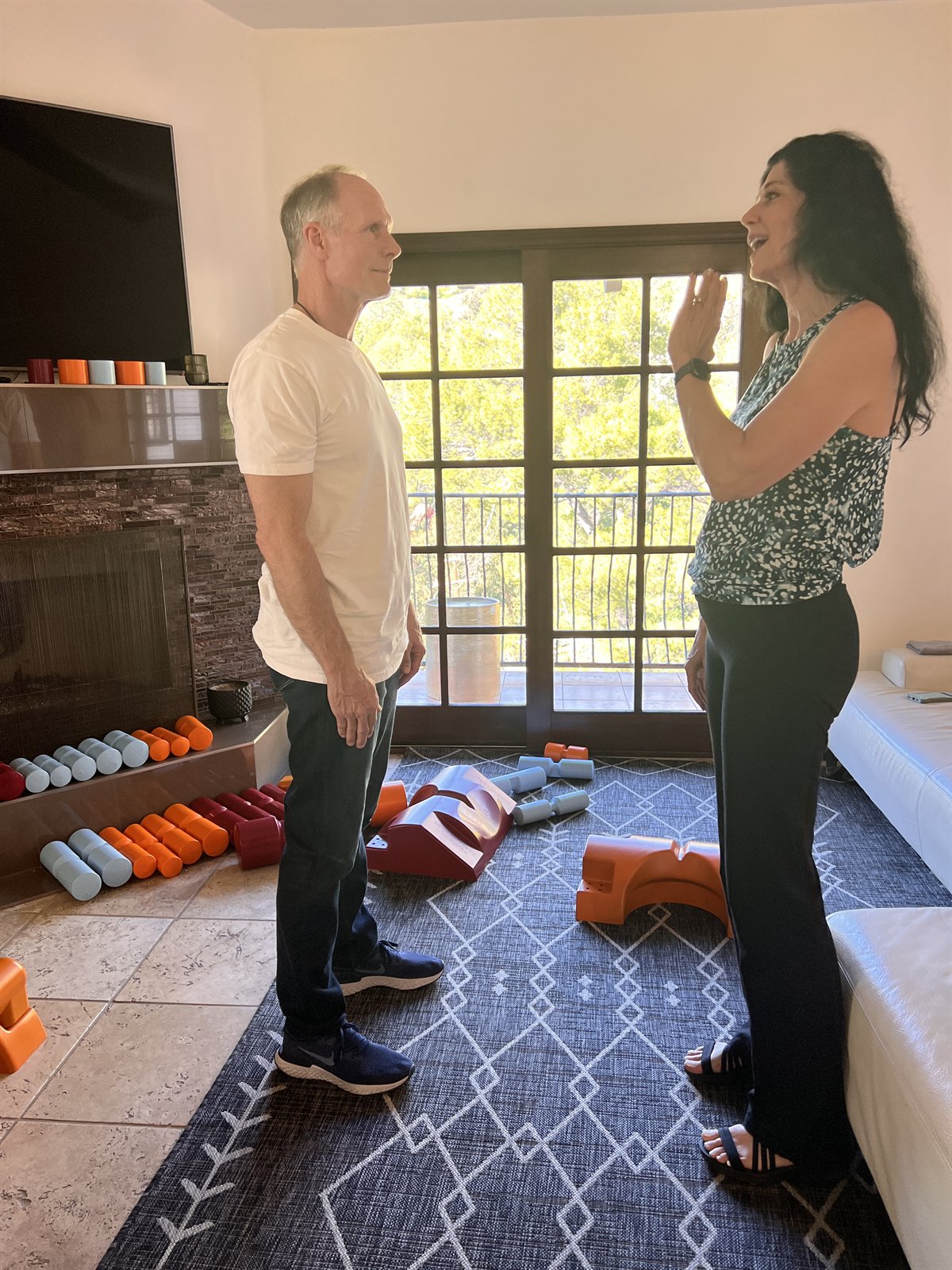
Natural alignment is easier to sustain when you can recognize it. Stand with your feet about hip-width apart and let your weight settle through the whole foot, rather than only the heels or outer edges. Let the rib cage rest over the pelvis without aggressively tucking, thrusting, or holding your breath. Then allow the chin to glide gently back, as if making space at the base of the skull.
This is not a rigid military posture. The body should feel tall but not tense. Your shoulders do not need to be yanked backward. Instead, think of the collarbones widening while the shoulder blades rest lightly against the back.
Practice this position for 20 to 30 seconds several times a day: while waiting for coffee, before opening a laptop, or after getting out of the car. Small, frequent resets teach the nervous system that a more efficient position is available. They also reveal habits that may be contributing to strain, such as leaning into one hip or craning the neck toward a screen.
Build Movement Into the Day, Not Just the Workout
A single exercise session cannot fully offset ten hours of stillness. The most effective spinal fitness plan often begins with movement breaks that are realistic enough to repeat.
Every 30 to 60 minutes, stand up and walk for a few minutes if possible. Gently turn the head side to side, roll the shoulders, reach the arms overhead, and take several relaxed breaths that expand the ribs. These are not dramatic exercises. They are reminders that the spine and surrounding tissues are meant to change position throughout the day.
When sitting, support the task rather than forcing posture. Bring the screen closer to eye level, place the feet on a stable surface, and avoid working with the head angled down for long stretches. When driving, move the seat close enough that you do not have to reach for the wheel. Better setup reduces the amount of correction your body must make later.
Train the Hips, Core, and Upper Back Together
The spine works in partnership with the hips, abdomen, feet, and shoulder girdle. If the hips are stiff, the low back may twist or bend more than it should during ordinary movements. If the upper back lacks endurance, the neck may take on extra work to hold the head up. If the deep abdominal system is not coordinating with breathing, the body may brace too hard.
A balanced routine can include gentle hip mobility, glute strengthening, controlled trunk stability, upper-back extension, and shoulder-blade awareness. The best starting exercises depend on your current capacity, but quality matters more than intensity. Slow repetitions with calm breathing usually teach more than fast repetitions performed through tension.
For example, a comfortable bridge can help you reconnect with the hips and glutes. A supported wall reach can improve awareness of rib position and shoulder movement. A simple bird-dog variation, performed with a stable trunk rather than a high leg lift, can build coordination. If these movements aggravate symptoms, scale them back or seek individualized guidance.
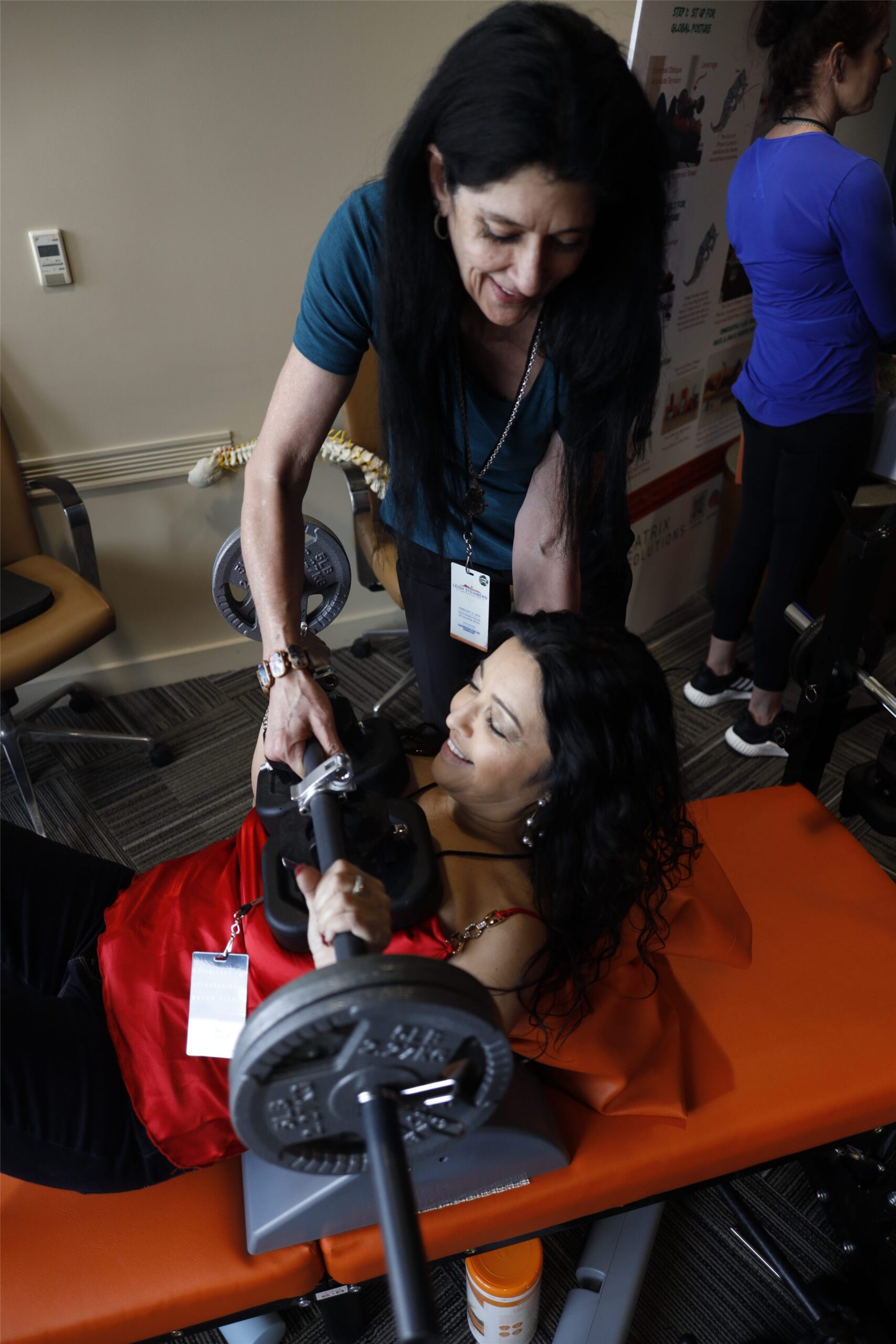
Spinal fitness tools can also help people feel positions that are difficult to find on their own. Devices designed to support neck shape, thoracic extension, gentle traction, or posture awareness may be useful when they encourage relaxation and consistent practice rather than forceful correction. Creatrix Solutions offers patented tools created for real-world wellness problems, including options for people who want an at-home way to support posture and spinal fitness.
Recovery Is Part of the Structural Plan
A body that is under-recovered often feels tighter, more sensitive, and less resilient. Sleep, hydration, protein intake, mineral status, stress load, and breathing all influence how well tissues recover from exercise and daily life. This does not mean every ache is caused by one missing nutrient or one stressful week. It means the spine is part of a whole system.
Near-infrared heat, gentle walking, and relaxed breathing may support a recovery routine for some people by encouraging circulation, warmth, and a transition out of chronic tension. The trade-off is individual tolerance. Start conservatively with heat, avoid using it when you feel unwell or dehydrated, and follow safety guidance for any device.
Mineral balancing and nutrition can be valuable considerations when fatigue, cramping, poor sleep, or low exercise tolerance are part of the bigger picture. Hair Tissue Mineral Analysis is not a diagnosis, but it can provide a personalized wellness lens for discussing nutritional patterns and support needs with a qualified practitioner.
Measure Progress by Function, Not Perfection
A stronger spine does not require flawless posture every minute of the day. It requires more options. Notice whether you can sit longer before feeling compressed, turn your head more comfortably while backing out of a parking space, walk with a freer arm swing, or recover more easily after gardening.
Choose one or two practices and repeat them long enough to learn from them. A ten-minute daily routine done consistently is often more useful than a complicated plan abandoned after a week. As your mobility and confidence improve, you can gradually add resistance, longer walks, or more challenging movement.
Your body is not a collection of isolated painful parts. It is an adaptable system that responds to the positions, loads, recovery habits, and tools you give it. Build spinal fitness patiently, listen to meaningful signals, and let each small improvement support a more active, capable life.
The Order I Teach: Mobilize, Restore, Retrain
Years of working with painful backs as a Nationally Certified Spinal Fitness Specialist taught me that most self-treatment fails not from wrong exercises but from right exercises in the wrong order. The sequence I teach never varies. Mobilize first: a spine locked in flexion cannot be strengthened into a better shape — the segments have to move before anything else is possible, which is where gentle extension over a properly sized roll comes in. Restore second: mobility without a target is just looseness; the target is the spine’s natural curves, coaxed back with the roll as a template, a few unhurried minutes a day. Retrain last: only when the shape is available do the strengthening exercises pay off, because now the muscles are learning to hold a position the spine can actually reach.
Run the sequence backward — strengthening first, as most programs do — and you get strong muscles guarding a compressed structure: reinforced dysfunction, often more painful than before. That single insight explains most of the people who tell me “core work made my back worse.” It did not fail them; it was simply asked to hold a shape their spine did not yet have. Give the sequence its order and each stage makes the next one work.
Frequently Asked Questions
Why does my back hurt more after core exercises?
Usually because strengthening arrived before mobility — the muscles are being trained to brace a compressed, flexed structure harder. Pause the intensity, spend two or three weeks on gentle daily extension and alignment work, then reintroduce strengthening. Most people find the same exercises feel completely different in the right order.
How is spinal fitness different from general core strength?
Core strength is one ingredient; spinal fitness is the recipe — mobility of the segments, restoration of the natural curves, endurance of the postural muscles, and daily movement habits, together. A six-pack over a flexed spine is still a flexed spine.
How many minutes a day does this actually take?
Five to ten, honestly kept. A few minutes of extension work, a deliberate walk, and attention to your worst daily position beat an hour of heroics on the weekend — tissue adapts to frequency, not enthusiasm.
Should I keep training through mild back pain?
Mild stiffness that eases as you move welcomes gentle activity; sharp, radiating, or worsening pain is a stop sign that deserves professional eyes. The skill is scaling, not pushing: shorten the range, lighten the load, keep the habit alive while your body renegotiates.
When should I expect pain relief to begin?
Many people feel meaningful easing within two to four weeks of daily practice — often sooner for tension-pattern pain. Structural change takes months, but relief usually arrives well before the posture photos change, because reducing the daily fight is itself the first result.