
A sauna session should not leave you wondering whether you simply endured heat or actually supported your body’s recovery. The Eileen Durfee sauna approach begins with a more useful question: How can heat fit into a larger plan for posture, circulation, hydration, movement, and healthy aging?
That distinction matters, especially for adults who feel stiff on waking, carry tension through the neck and shoulders, struggle to unwind at night, or notice that recovery takes longer than it used to. Near-infrared sauna use can be a practical home wellness tool, but it works best when it is not treated as a stand-alone answer to every health concern.
Why the Eileen Durfee Sauna Approach Is Different
Eileen Durfee’s work has always been rooted in solving real-world wellness problems with both observation and engineering logic. Her background as an inventor, former nuclear power plant quality professional, certified personal trainer, and nutritional balancing specialist shaped a simple principle: better results often come from addressing the sources of physical stress rather than chasing symptoms one at a time.
That is why the Eileen Durfee Method connects near-infrared heat with spinal fitness, natural alignment, mineral support, clean air, movement, and recovery habits. A person may use a sauna to relax tight muscles, but if they spend the rest of the day in a collapsed posture, barely drink water, and never rebuild mobility, the foundation remains weak.
A thoughtful sauna routine can help create the conditions for better function. Gentle heat may encourage relaxation, support comfortable movement, and make an evening transition toward sleep feel easier. It can also provide a quiet, intentional break from the pace of daily life. Those are meaningful benefits, especially when they help someone stay consistent with the habits that improve mobility and resilience over time.
Near-Infrared Heat and the Body’s Recovery Response
Traditional saunas heat the air around you. Near-infrared sauna systems use a different approach, directing near-infrared light toward the body while typically operating at a more manageable ambient temperature. Some people prefer this experience because they want a focused heat session without the intense room heat of a conventional sauna.
Comfort is not a minor detail. If a sauna feels overwhelming, people often cut sessions short or stop using it altogether. A practical home setup should make regular use realistic, particularly for people who are older, heat-sensitive, or returning to wellness routines after a period of inactivity.
Near-infrared heat is often used before gentle stretching or mobility work because warm tissues can feel more ready for movement. It may also be useful after activity when the goal is to settle down and support recovery. The best timing depends on the individual. Someone who feels energized by sauna sessions may prefer daytime use, while someone who becomes pleasantly relaxed may find an early-evening session fits better.
The goal is not to force a dramatic sweat. Sweating varies widely based on hydration, room temperature, medications, fitness level, acclimation, and individual physiology. More sweat does not automatically mean a better session. The more useful measure is whether the routine leaves you feeling comfortably warm, calmer, and better prepared to care for your body afterward.
Heat Supports a Process, Not a Miracle
Wellness marketing often turns a sauna into a shortcut. That is not how the body works. Heat can support circulation and perspiration, which are normal body processes, but it cannot replace sleep, nourishing food, hydration, medical guidance, or the daily movement needed to keep joints and muscles capable.
The same balanced thinking applies to detox support. The body has natural pathways for processing and eliminating metabolic byproducts. Supporting those pathways is a lifestyle practice involving adequate fluids, regular bowel habits, sufficient protein and minerals, sleep, and sensible exposure reduction. Sauna use may be one supportive part of that larger picture, not a reason to push through exhaustion or dehydration.
Build a Safer, More Useful Home Sauna Routine
Consistency beats intensity. If you are new to near-infrared sauna use, begin with a short, comfortable session and notice how you respond over the next several hours. There is no prize for staying in longer than your body tolerates well.
Start hydrated, but do not chug excessive water immediately before entering. Have water available afterward and replenish with regular meals that provide minerals and protein. People who sweat frequently sometimes focus only on water while overlooking the role of balanced nutrition. Energy, cramping, sleep quality, and recovery can all be affected by the broader nutritional picture.
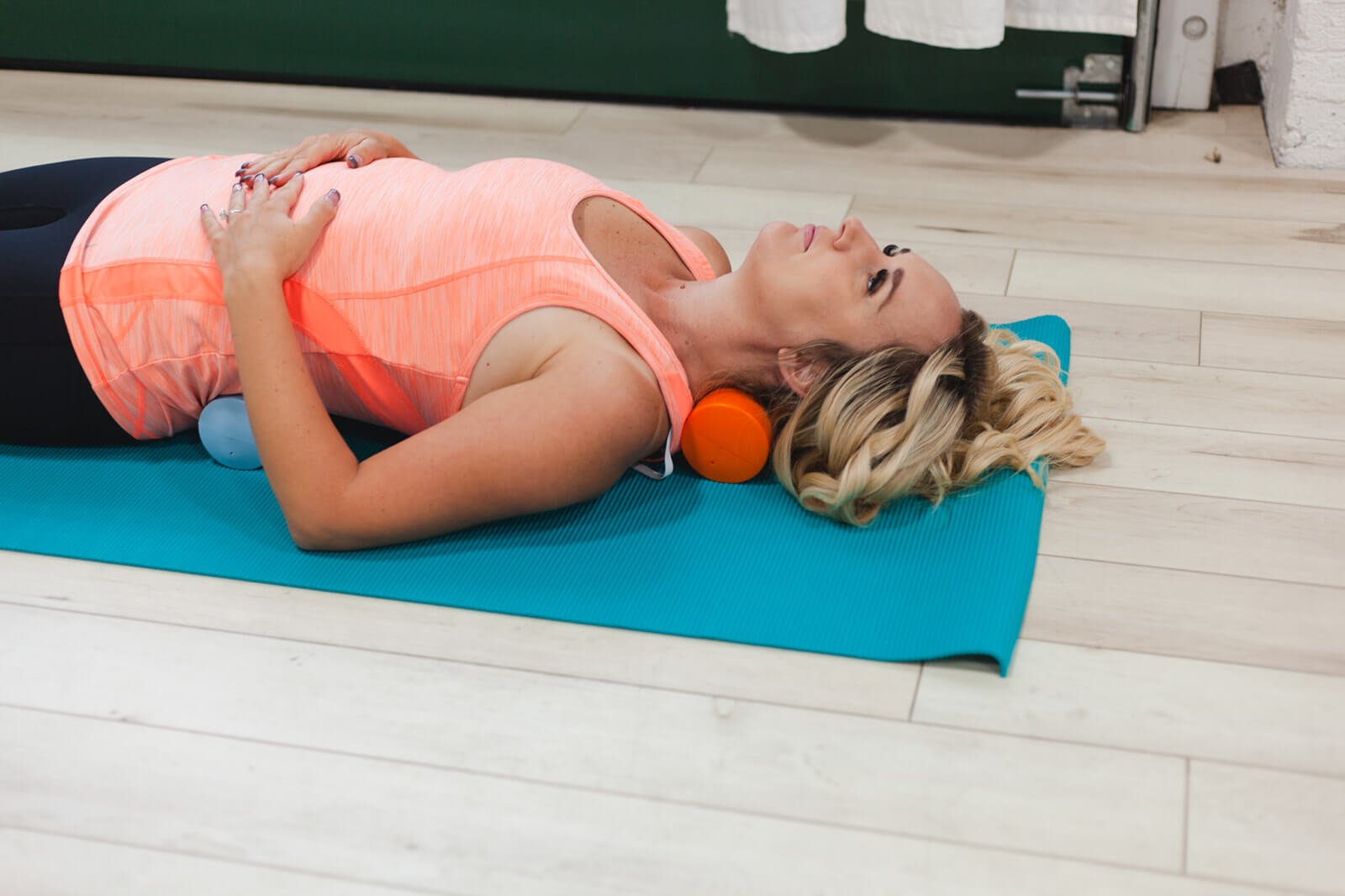
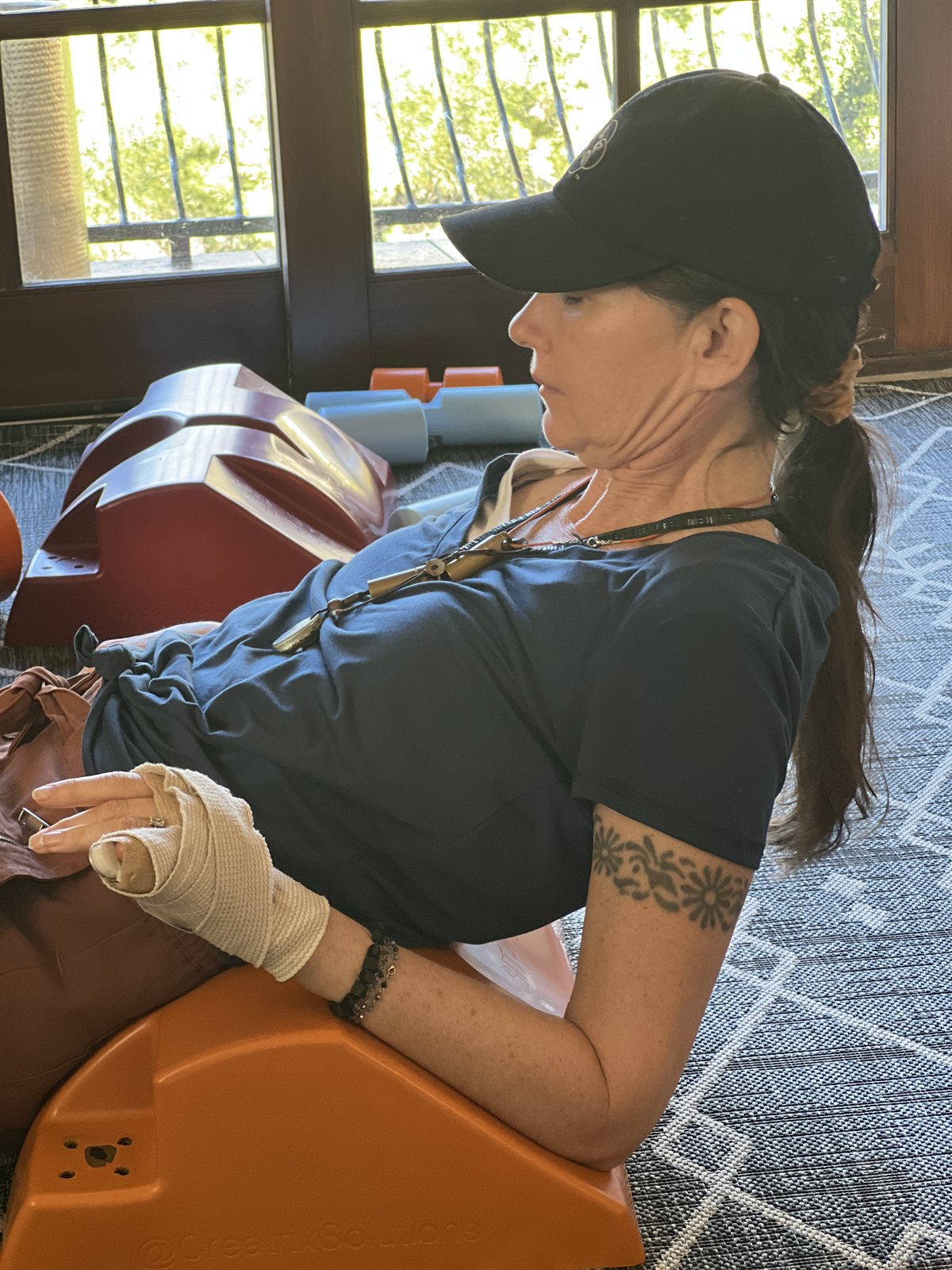
A simple session can be followed by a few minutes of slow breathing, easy walking, or posture-focused mobility. This is where the Eileen Durfee Method becomes especially practical. Heat may help you feel more open, but movement helps teach the body what to do with that opportunity.
For example, someone with forward head posture can use their post-sauna window for gentle chest opening, shoulder positioning, and neck-friendly mobility rather than returning immediately to a phone or recliner. Someone with a stiff low back may benefit from easy walking and controlled hip movement. The purpose is to support natural alignment, not to stretch aggressively while tissues are warm.
Stop the session if you feel dizzy, nauseated, unusually weak, or uncomfortable. Those with cardiovascular concerns, uncontrolled blood pressure, pregnancy, heat sensitivity, or questions about medications should speak with a qualified healthcare professional before starting sauna therapy. Sauna use should complement appropriate medical care, not replace it.
Choosing a Sauna That Fits Real Life
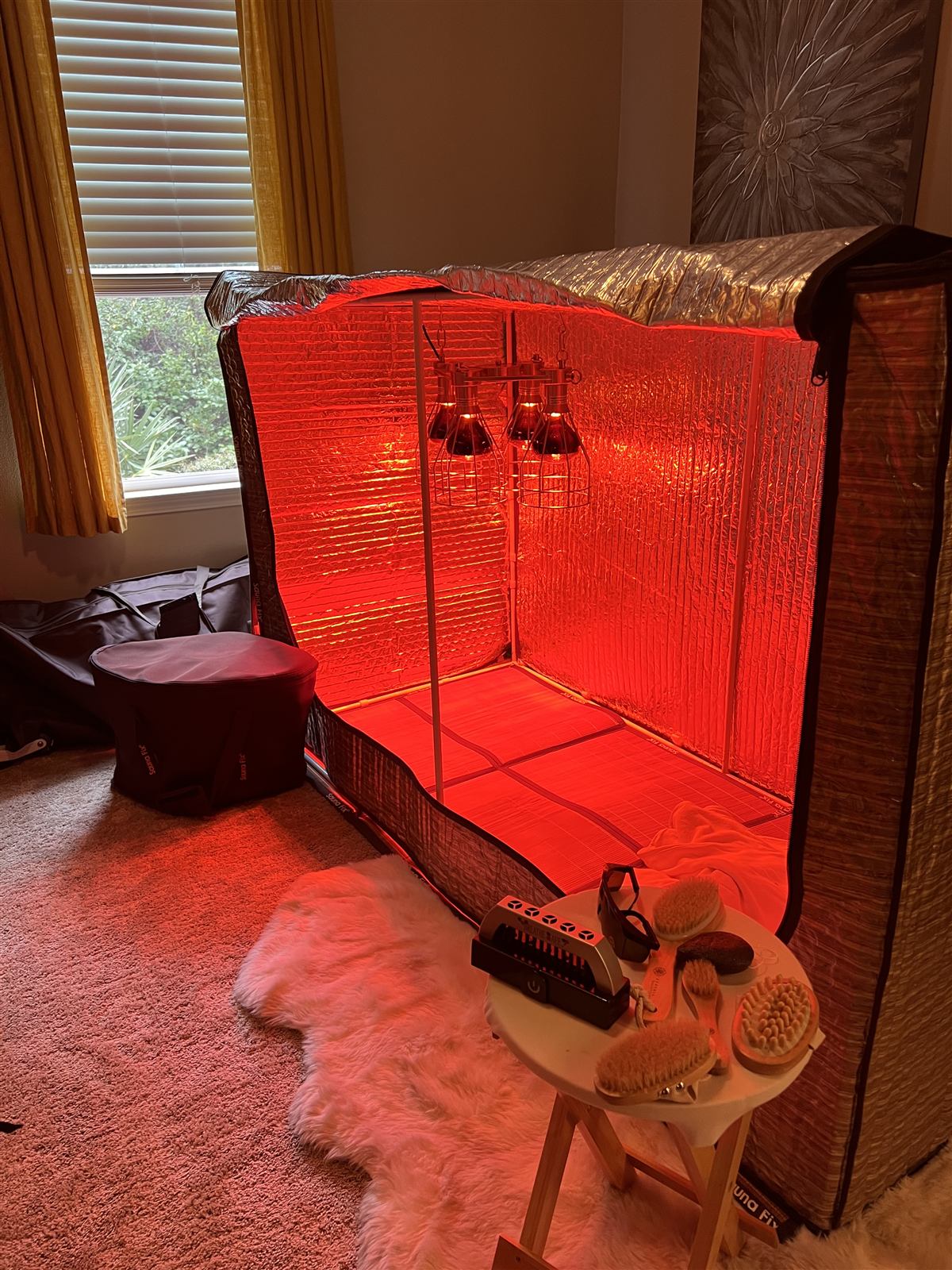
The best sauna is often the one you can use consistently without turning your home or schedule upside down. Space, budget, heat tolerance, storage, electrical requirements, and mobility all matter. A large wooden sauna may suit one household, while a portable near-infrared sauna tent can make more sense for another.
When evaluating options, look beyond broad promises. Consider the quality of the heat source, the ease of entering and exiting, the ability to sit comfortably, the materials used, and whether the system supports your actual routine. If you have limited mobility, a complicated setup can become a barrier. If your home is small, a permanent installation may not be practical.
Eileen’s Sauna Fix® near-infrared sauna systems were developed around this real-world need for accessible, practical heat therapy at home. The design question is not merely how hot a unit can get. It is whether the system can help a person build a reliable recovery practice while fitting their body, space, and lifestyle.
Pair Sauna Use With a Stronger Foundation
People often look for one missing tool, yet low energy and poor recovery can have several contributors. Posture can affect how freely you breathe and move. Sleep can influence pain sensitivity and motivation. Mineral patterns and dietary habits can shape how well you tolerate stress. Indoor air quality and daily environmental exposures can add another layer of burden.
This is why a more complete wellness plan can be so effective. A sauna session may become the anchor habit that reminds you to hydrate, take a walk, practice spinal fitness, and protect your evening routine. It can give your body a regular cue to slow down and recover.
For those who want a more personalized view of nutritional and mineral support, Hair Tissue Mineral Analysis may be worth learning about with a qualified practitioner. It is not a diagnosis, but it can be part of a broader conversation about diet, stress patterns, and individualized wellness priorities.
Make Recovery a Daily Practice
A near-infrared sauna is most valuable when it helps you become more attentive to your body, not more dependent on a quick fix. Use the heat as an invitation to restore better function: stand taller, move more comfortably, breathe more fully, and create recovery habits that you can maintain.
The body responds to what it experiences repeatedly. A modest sauna session followed by hydration, nourishing food, gentle spinal fitness, and better sleep may do more for long-term resilience than an occasional extreme wellness effort. Start where you are, listen carefully to your response, and build a stronger foundation one practical routine at a time.
Why I Built It Instead of Buying One
The sauna that carries my name exists because the sauna I needed did not. When my own health made daily heat therapy non-negotiable, I went shopping like anyone else — and found two categories: wooden rooms that demanded a renovation, high air temperatures, and a preheating wait, or far-infrared panels that skipped the part of the spectrum I most wanted. So I engineered the third option: a reflective radiant tent that stands in a bedroom corner, warms in minutes, packs for travel, and runs incandescent lamps whose output spans visible red through near and mid infrared — light and heat together, at air temperatures around 110–140°F that a real person can enjoy daily for years.
Two design convictions from that process still govern everything I make. First, gentleness wins: the session you can take at 120°F six days a week beats the one you endure at 180°F on Saturdays. Second, claims need receipts — which is why I sent the Sauna Fix® bulb to an accredited laboratory and published the full spectral report rather than asking anyone to take my word for the word “full-spectrum.” The tent earns its corner of my bedroom every day, and it was designed by someone who needed it to.
Frequently Asked Questions
How hot does a near infrared lamp sauna get?
Typically 110–140°F — deliberately gentler than a traditional sauna’s 160–190°F. The radiant light does deep work directly, so the air does not need to be punishing; you still reach a genuine sweat, at a temperature comfortable enough for daily use and for people with heat sensitivity.
Does it need special wiring or a dedicated room?
No — the system plugs into a standard household outlet and the tent stands in any corner with a body-length of floor space. It also packs down, which means the routine survives moves, travel, and houseguests.
How long should a session last?
Start with ten to fifteen minutes and build toward twenty to thirty as your body adapts. Rotate periodically so each side receives direct light, keep water nearby, and let comfort — not the clock — end the session. The First Sauna Session guide walks through session one.
Near infrared or far infrared — what’s the practical difference?
Far infrared panels warm the skin’s surface; near infrared penetrates deeper into tissue and interacts with the cellular machinery light-sensitive structures — which is why the lamp approach pairs the light story with the heat story instead of choosing one.
How often can I use it?
Most adapted users settle at four to six moderate sessions weekly. Consistency at comfortable intensity outperforms occasional marathons. If you are pregnant, take medications, or manage a heat-sensitive condition, your healthcare provider can help you shape a plan that fits you.