
A mineral test can look precise on paper while still leaving you wondering what to do next. That is where HTMA vs blood mineral testing becomes a useful question — not because you must pick a winner, but because the two tests measure different things. Blood testing reports what is circulating right now; HTMA reads the longer-term mineral patterns behind energy, recovery, sleep, and resilience. Treating them as interchangeable is where the trouble starts: unnecessary supplements, misplaced worry, or missed opportunities. Used together, each answering its own question, they complement one another — which is exactly why the Eileen Durfee Method recommends both.
For adults who want to age with strength and energy, minerals matter because they participate in muscle function, nerve signaling, fluid balance, bone structure, and hundreds of enzyme-driven processes. Blood work delivers the immediate clinical snapshot your healthcare provider needs; HTMA identifies the longer-term patterns that guide nutrition and lifestyle choices. Understanding what each does best turns two seemingly competing options into one coherent strategy.
HTMA vs Blood Mineral Testing: The Core Difference
Blood mineral testing measures minerals in a blood sample, usually serum or plasma. It provides a snapshot of what is circulating at the time the blood is drawn. In conventional medical care, blood work can be valuable for evaluating certain mineral concerns, especially when symptoms, medications, kidney function, hydration, or an acute health issue need professional attention.
Hair Tissue Mineral Analysis, commonly called HTMA, measures minerals incorporated into a small sample of hair as it grows. Because hair grows gradually, an HTMA is generally used by nutritional balancing practitioners as a longer-range view of mineral patterns and certain mineral relationships. It is not a diagnostic test for disease, and it should not replace medical evaluation when a health concern needs clinical care.
Think of blood as a photograph and hair as a time-lapse record. Neither picture tells the entire story. The value comes from understanding what each method can reasonably show and using the result in context.
Why blood can look normal when a person still feels depleted
The body works hard to keep blood levels within a narrow range. That is a protective function, not a flaw. If a mineral in blood begins moving outside its expected range, the body may draw on storage sites, change excretion, or adjust absorption to maintain balance.
For this reason, a normal blood value does not automatically answer every question about mineral intake, mineral reserves, dietary patterns, or chronic stress on the body. It simply means the circulating level measured at that moment was within the laboratory’s reference range. That information can be very meaningful, but it is not always the whole mineral story.
A blood result can also shift with hydration, recent meals, exercise, supplements, medications, inflammation, and timing. Someone who takes a mineral supplement shortly before a draw may see a different result than someone tested after fasting. This does not make blood testing unreliable. It means the result needs thoughtful interpretation.
What HTMA may add to the conversation
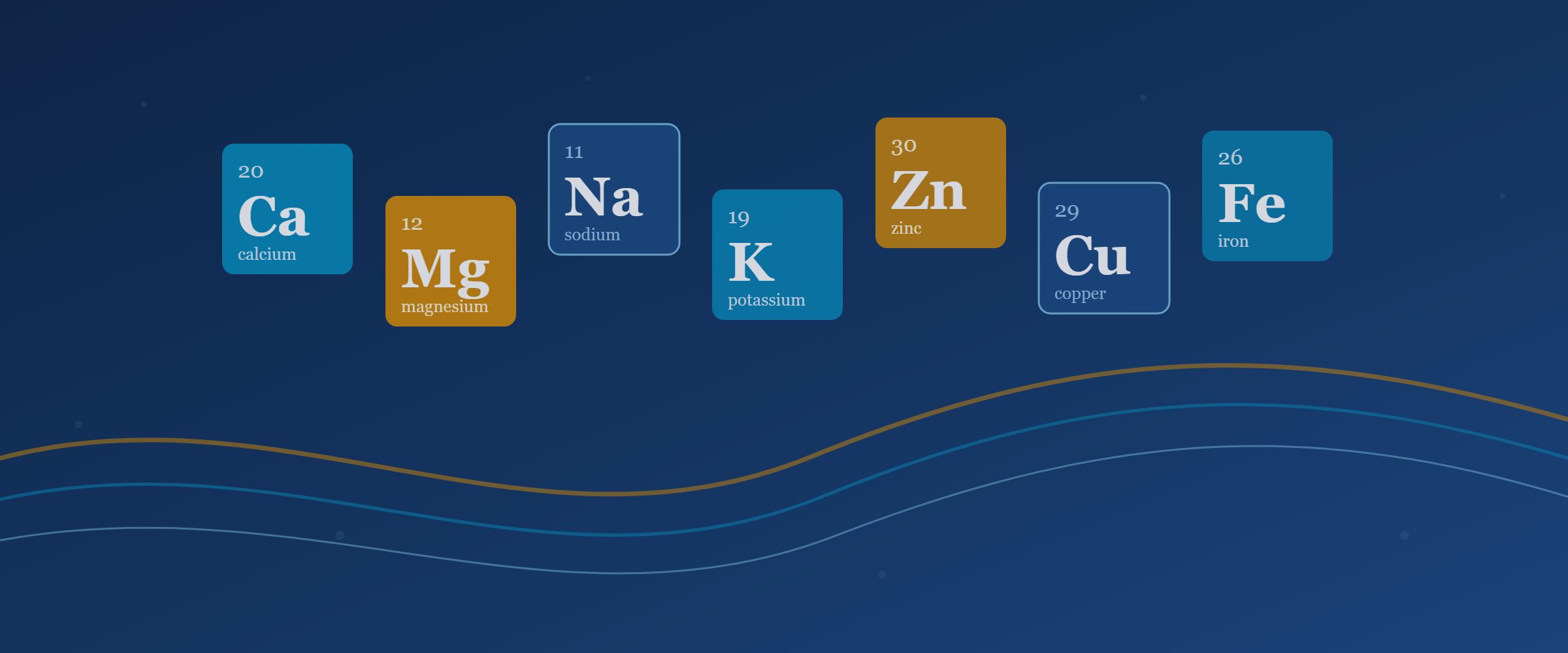
HTMA is often used to look at broader patterns involving minerals such as calcium, magnesium, sodium, potassium, zinc, copper, and others. Practitioners may consider ratios and pattern trends alongside a person’s food choices, stress load, digestion, sleep, exercise habits, and environmental exposures.
This approach can be especially appealing to people who have been told their standard lab work is normal but still want practical wellness guidance. A well-interpreted HTMA may help create a more organized plan around mineral-rich foods, appropriate supplementation, hydration, recovery, and reducing unnecessary stressors.
Still, hair is not a perfect record of internal mineral status. Hair care products, swimming exposure, hair color, occupational contact, sample collection, and laboratory preparation can affect results. Hair testing also cannot establish that a mineral pattern is the cause of a symptom. Responsible use requires a quality lab, correct sample preparation, and an experienced practitioner who avoids dramatic conclusions from one report.
When Blood Mineral Testing Is the Better First Step
Blood testing is generally the better starting point when there are new, severe, or concerning symptoms, when a clinician is monitoring a known condition, or when medications may affect electrolyte or mineral balance. It can also be appropriate when evaluating potential deficiency or excess that requires medical follow-up.
For example, blood testing may be more relevant when someone has persistent vomiting or diarrhea, major changes in fluid intake, unusual weakness, heart rhythm concerns, or is using medications that can influence electrolytes. Those situations call for medical guidance, not a wellness experiment with supplements.
Blood work is also useful when a specific biomarker has well-established clinical meaning. A qualified healthcare professional can determine which tests are appropriate and interpret them alongside medical history, symptoms, and other laboratory findings.
The practical lesson is simple: do not use an HTMA report to self-diagnose a medical problem or to override a clinician’s concern. The two tools can serve different roles, but safety comes first.
When HTMA May Be a Useful Wellness Tool
HTMA can make sense for someone focused on building a stronger foundation over time. Perhaps you are working on better sleep, steadier energy, improved exercise recovery, regular meals, hydration, or support for the body’s natural detox pathways. You may be curious whether your mineral pattern suggests areas worth discussing with a nutritional balancing professional.
It can also be useful for tracking patterns over time, provided you use the same laboratory and consistent collection practices. One isolated test is less informative than a pattern observed alongside meaningful lifestyle changes. If you change your diet, stop or start supplements, improve sleep, add resistance training, or use gentle heat for recovery, a later test may offer another data point for discussion.
The Eileen Durfee Method looks at this kind of bigger picture. Posture, spinal fitness, movement, breathing, restorative heat, clean air and water, nutrition, and minerals all influence how well the body adapts to daily demands. No single report can replace these fundamentals. But the right information can help you direct your effort where it may be most useful.
What I See When Someone Brings Me Both Tests
A perspective from my own practice, because this exact situation lands on my desk constantly. The person who comes to me is almost never choosing between tests — they arrive with normal blood work already in hand, and a list of symptoms nobody has been able to explain. The fatigue, the poor recovery, the restless sleep, the afternoon crashes are real, but every conventional panel says “within range,” and after enough of those results people start to wonder whether anyone believes them. Then the HTMA comes back, and for the first time the picture matches how they feel: derangements in the mineral ratios, deviations from ideal in the very elements that run energy production and stress response — visible, measurable, and specific.
That is the moment everything changes, and it is why I recommend both tests rather than one. The blood work did its job: it ruled out what needed ruling out, accurately reporting that the body is still defending its circulating levels. The HTMA does the job blood work was never designed for: it reveals what that defense has been costing at the tissue level, and where the pattern deviates from ideal. Those deviations are not a diagnosis — they are a map. Each one points to something correctable, in a sequence a trained practitioner can design, and the medically unexplained finally becomes the practically improvable: a clear path to better function where before there was only “everything looks normal.” If that is where you are standing, a lab evaluation pairs your results with exactly this kind of reading.
The Limits Matter as Much as the Results
The biggest mistake with either test is assuming a number speaks for itself. A mineral level or ratio is not a verdict on your health. It is one piece of evidence that must fit with how you feel, what you eat, how you live, your health history, and, when needed, clinical testing.
Be cautious with anyone who claims an HTMA can diagnose disease, prove toxic exposure, or prescribe a large supplement program from a single hair sample. Be equally cautious with the idea that normal blood results mean there is nothing left to improve. Better function often begins with practical habits long before a lab result becomes alarming.
Avoid adding high-dose single minerals without qualified guidance. Minerals work in relationship with one another, and excess supplementation can create its own imbalance. This is particularly relevant for people using prescription medications, managing kidney concerns, pregnant or nursing, or dealing with a diagnosed health condition.
Questions to ask before choosing a test
Before ordering anything, clarify your purpose. If your question is, “Could something medically significant be affecting me right now?” begin with a licensed healthcare professional and appropriate blood work. If your question is, “What longer-term mineral patterns might help me make better nutrition and wellness choices?” HTMA may be a reasonable educational tool.
Ask how the sample is collected, whether the laboratory provides clear preparation instructions, and who will interpret the report. A helpful practitioner should explain uncertainty, ask about your lifestyle, and give measured recommendations rather than creating fear. They should also encourage medical care when your symptoms or results warrant it.
For those exploring HTMA as part of a wellness plan, educational resources and testing options are available through WellnessShoppingOnline.com. The best next step is not to chase perfect numbers. It is to use the information to build consistent, sustainable habits.
Your body does not need another extreme protocol. It needs intelligent support: nourishing meals, enough water, regular movement, stronger alignment, restorative sleep, and a mineral strategy that respects both the usefulness and the limits of testing. Choose the test that answers your real question, then let the result guide a calmer, more capable next step.
Frequently Asked Questions
Can I do both tests?
Yes — that is precisely what the Eileen Durfee Method recommends. Let the blood work with your healthcare provider rule the medical questions, and let the HTMA inform the nutrition-and-lifestyle conversation. The two reports read side by side explain a “normal labs but unexplained symptoms” situation better than either does alone.
Why do different hair labs give different results?
Mostly preparation: some laboratories wash hair samples before analysis and some do not, and washing changes what remains of the water-soluble elements. This is why consistency matters more than brand-hopping — pick a quality laboratory and stay with it, so your tests over time are comparing like with like.
How much hair does the test need — and does gray hair work?
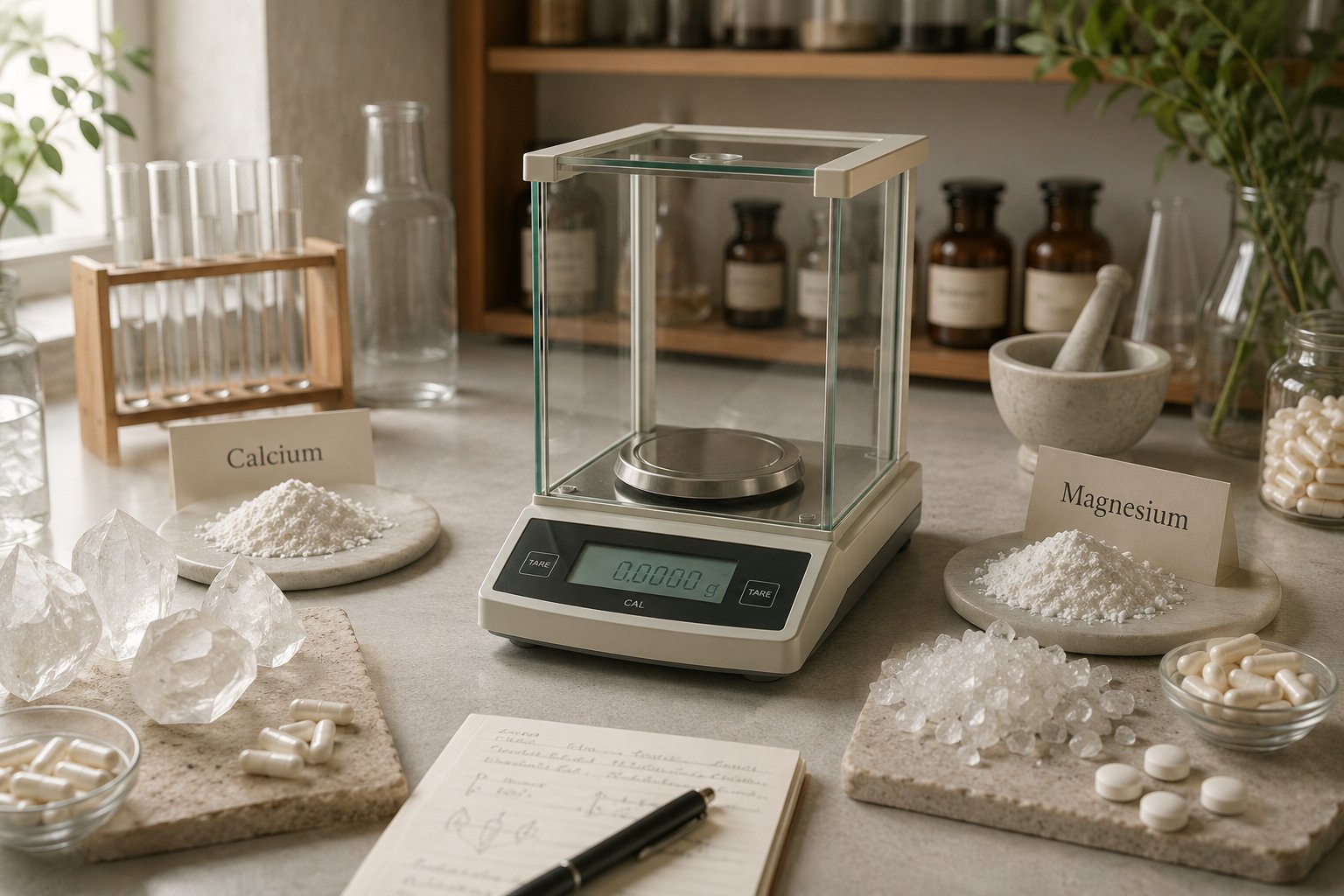
About a teaspoon of new growth cut close to the scalp, usually from the back of the head where it is never missed — and there is no guessing involved, because the mailed kit includes a scale to weigh the sample. Gray hair tests exactly as well as pigmented hair; the minerals the lab measures are not the pigment. Very short or thin hair simply means collecting from a few more spots.
Is HTMA a heavy metals test?
It reports several toxic elements alongside the nutrient minerals, but read those numbers as patterns rather than verdicts: hair reflects what the body is storing and eliminating over months, not a diagnosis of exposure. Concerning results are a conversation to have with a qualified professional, not a reason to start dramatic protocols.
How often is it worth retesting?
Every three to five months while you are actively working a program — enough time for new hair to record your body’s response, soon enough to adjust course. A single test is a snapshot; the trend across tests is where the real information lives.
Keep Exploring