
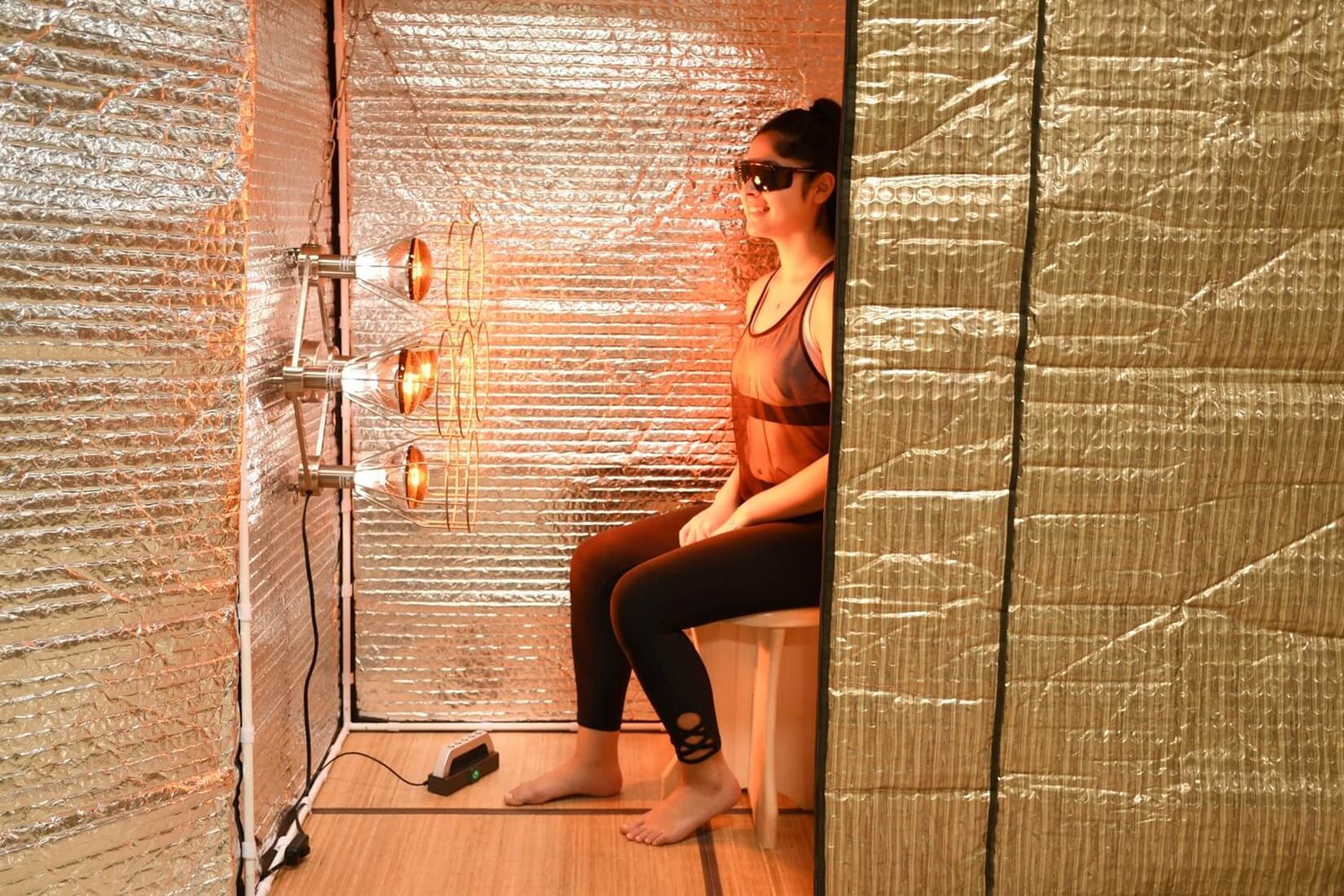
Analytical Research Labs (ARL) lists cold hands and feet, a tendency to feel cold, and lack of sweating together as symptoms of reduced thyroid activity. I was always cold, and I could sit in a sauna for 45 minutes without breaking a sweat. On a hair test, that combination points to two readings first: the calcium/potassium (Ca/K) ratio and the oxidation rate.
The ratio both labs use for thyroid activity
Trace Elements, Inc. (TEI) puts the ideal Ca/K at 4.2, with an acceptable range of 2.2 to 6.2; ARL uses 4. I read the range between the two labs. TEI calls Ca/K an index of thyroid expression, and ARL’s trend table attaches an energy figure to each band above the ideal:
- Ca/K 4 to 8: mild sluggish thyroid trend, 10 to 25 percent energy loss.
- Ca/K 8 to 16: moderate sluggish thyroid trend, 25 to 50 percent energy loss.
- Ca/K 16 to 32: sluggish thyroid trend, 50 to 75 percent energy loss.
- Ca/K 32 and above: severe low thyroid trend, more than 75 percent energy loss.
ARL’s full list for reduced thyroid activity is a tendency to gain weight, cold hands and feet, lack of sweating, fatigue, dry skin and dry hair, and a tendency toward constipation. On ARL’s table, a Ca/K above 4 carries those reduced-thyroid signs, and a Ca/K below 4, from mild fast thyroid activity at 2 to 4 down to excessive activity below 1, carries the overactive list, which starts with excessive sweating.
Why calcium and potassium decide it
ARL describes potassium as the mineral that sensitizes the cells, and the mitochondria, to thyroid hormone. Calcium and magnesium at elevated levels reduce thyroid activity. Copper reduces potassium and decreases thyroid activity; zinc enhances potassium and thyroid activity. ARL’s thyroid pattern gives the mechanism: circulating thyroid hormone can be normal while elevated tissue calcium blocks hormone transport across cell membranes and low potassium fails to sensitize the tissues to the hormone. ARL reads a Ca/K above 16 as a sluggish thyroid at the cellular level.
The TEI newsletter records a related finding from Richard Malter: clients with cold hands and feet, low blood pressure, cool body temperature and dry skin, mostly women, whose serum thyroid tests read normal, “invariably” showed high calcium and low potassium on their tissue mineral profiles. From TEI’s own database of over 2,000 profiles submitted with predominantly low-thyroid symptoms, 90 percent were from women. Watts (TEI) states that basal metabolic rate can fall 40 to 50 percent below normal in reduced thyroid function, and he describes the subclinical form as a syndrome of fatigue, cold sensitivity, weight gain, and changes in hair and skin texture.
The slow oxidation picture
ARL defines slow oxidation as a Ca/K above 4 together with a sodium/magnesium (Na/Mg) ratio below 4.17; TEI’s Na/Mg ideal is 4. ARL’s fatigue document states that most hair tests of people with fatigue show slow oxidation, and its symptom list includes cold hands and feet and diminished perspiration. A 1988 Lafayette Institute report on calcium and aging framed cold hands and feet as a sign of premature aging, a body unable to produce enough energy to keep itself warm, and tied pale skin and loss of color in the lips to calcium constricting blood vessels while magnesium relaxes them.
Watts’ bone-mineral work from 1986 adds a second pattern with the same sign. His Type II pattern, an elevated Ca/P, Ca/Mg and Ca/K with a low Na/Mg, comes with fatigue, cold body temperature especially in the hands and feet, and low blood pressure on standing. His Type I pattern, a lowered Ca/P with calcium and magnesium below ideal and sodium and potassium above it, comes with the opposite signs: warm body temperature, increased perspiration and muscle cramps, especially at night.
Nutrients the labs connect to thyroid expression
Watts (TEI) lists the nutrients that affect thyroid activity:
- Iron: the response to iodine is ineffective in iron deficiency, and iron is required to convert phenylalanine to tyrosine.
- Selenium: a constituent of iodothyronine deiodinase, the enzyme that converts T4 to T3 in the liver and kidneys.
- Zinc: influences TSH secretion; a low zinc/copper ratio can lower thyroid expression.
- Iodine: required, though reduced thyroid activity is often seen with normal iodine levels.
- Chromium: through insulin sensitivity, since lower insulin levels improve thyroid hormone activity.
ARL adds two household items: added chlorine and fluoride in drinking water suppress thyroid function, and its documents recommend a water purifier.
Sweating in a sauna, and what it costs
My book Spinal Fitness states that sweating loses minerals, and that the replacement is “sodium, potassium, magnesium, and trace minerals – not only water.” For a person who sweats heavily, that is a mineral cost per session. For a person who sweats very little after 45 minutes, the hair chart is the place to look for the calcium, potassium and oxidation-rate pattern behind it.
A hair tissue mineral analysis is a screening test for these patterns, and the readings above are trends, not a diagnosis.
Keep Exploring
This article is for educational purposes only.