
Analytical Research Labs (ARL) gives a direct rule for elimination reactions: slow the reaction down when symptoms are vigorous. I have slowed my own program because of reactions, and in the same stretch I added a few more coffee enemas and sauna sessions and rested more. Slowing the release and supporting the eliminative organs are two separate actions, and ARL lists both.
What sets the speed of an elimination
ARL ties the release of stored metals to metabolic rate: “Any increase in the metabolic rate, whatever its cause, frequently results in the release of excess copper into the blood.” Its list of triggers for a copper release is acute physical or emotional stress, caffeine, sugar, cigarettes, fasting, exercise, the premenstrual rise in estrogen, and the start of a nutritional balancing program. Energy comes first in ARL’s model, and metals surface second: elimination requires biochemical energy, so a program that raises energy also raises the rate at which stored metals move.
ARL’s first explanation of why a release produces symptoms is speed. Discomfort occurs when copper is eliminated “faster than their nutrient reservoirs of vitamin B6 and zinc can contain it.” Vitamin B6 and vitamin C are destroyed on contact with copper (Pfeiffer), and symptoms continue until the B6, vitamin C and zinc reserves are replete. A slower release gives those reserves time to keep up.
ARL’s four adjustments that lower the rate
To slow a copper elimination, ARL temporarily lowers the metabolic rate:
- Supplement frequency: from 3 times a day to once a day, preferably with the evening meal; then every other day, or every third day.
- Dietary fat: increased by 25 to 30 percent, from dairy, avocado, nuts, and salad and cooking oils.
- Calcium: three tablets three times a day, using ARL’s Calcium 2-2-2 product.
- Lecithin: 1,200 mg capsules, 6 to 9 a day, because “the phosphorus in lecithin can slow the toxic metal elimination.”
ARL attaches a limit to the dairy: it is a stop-gap, because staying on dairy continuously lowers the metabolic rate and increases copper storage. ARL’s fatigue document gives the direction of each adjustment: fat slows metabolism, protein stimulates it, and sugar gives a temporary rise followed by slowing. Among nutrients, vitamins B1, B3, B5, B6, C and E raise the oxidation rate, choline and inositol lower it, manganese, potassium and chromium raise it, and copper, calcium, magnesium and zinc lower an abnormally fast rate.
When to pause, and the exception
ARL’s reaction protocol allows the supplement program to be paused for a day or two until a reaction passes, with one exception: a slow oxidizer whose energy depends on the supplements continues them. In ARL’s cadmium example, a slow oxidizer feels better at the start, then tires as cadmium leaves and its sodium-raising effect is withdrawn; the instruction at that point is to stay on the program, raise the oxidation rate again, and rest, with energy returning in about a week.
The opposite rule also applies. ARL speeds a reaction up when it drags on and the body cannot finish it, which is most common in slow oxidizers. Slowing is matched to vigorous symptoms; it is not the default for every reaction.
What I add while slowing down
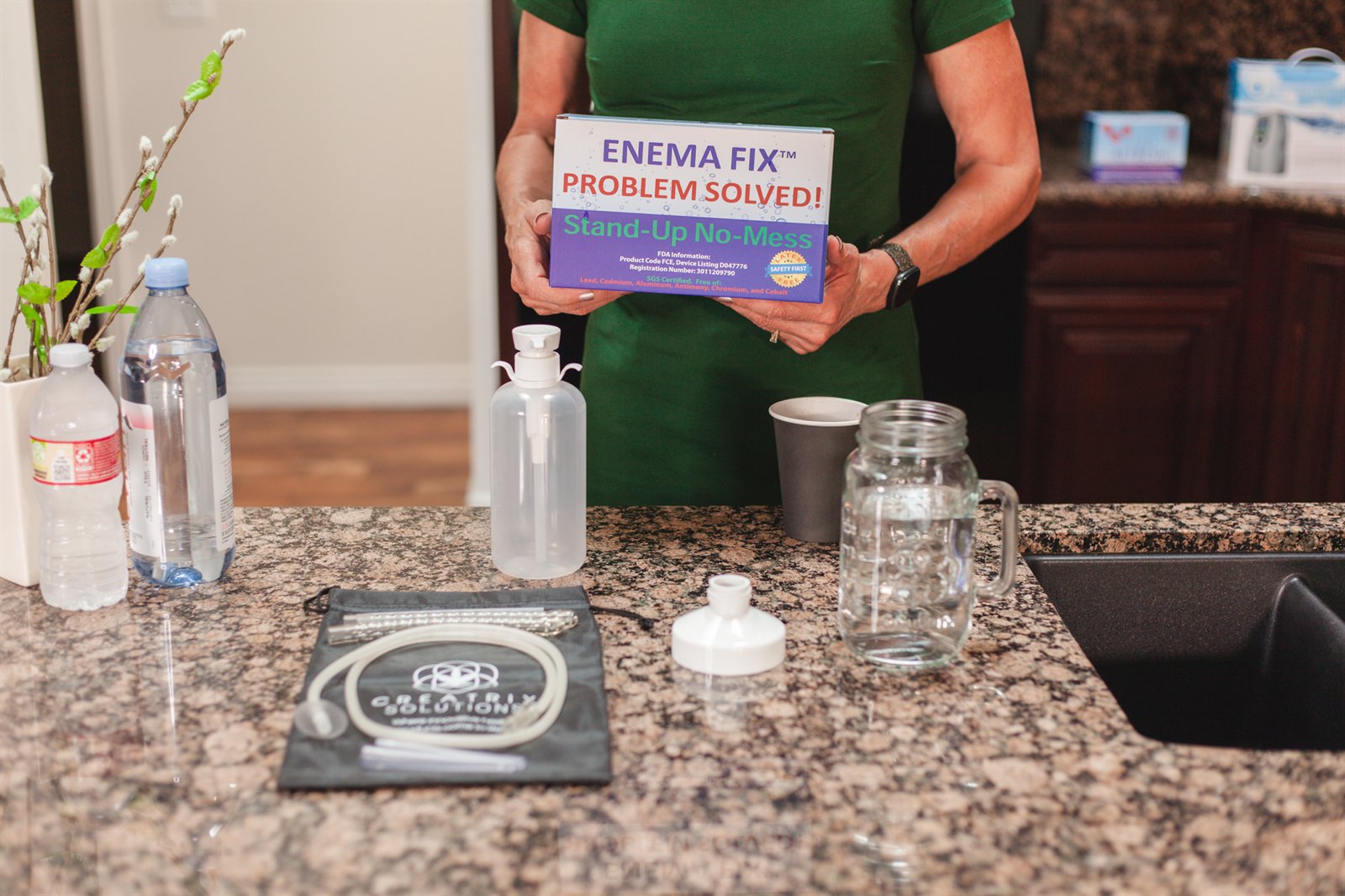
ARL’s list of eliminative-organ support during a reaction is enemas, colonic irrigation, massage, steam baths or sauna, warm baths, castor oil packs, skin brushing and deep breathing, covering the skin, lungs, liver, kidneys and colon. ARL’s first instruction for any reaction is “Reassurance is the most important action needed,” followed by extra rest. My additions during a slowed stretch, coffee enemas, sauna sessions and more rest, are three items from that list.
ARL states that reactions “usually cannot and should not be suppressed,” and “Normally, the body will not undertake a toxic metal elimination faster than it is capable of handling.” Its timelines for copper reactions are a day or two in most cases, and a month or more in some.
How a slowed elimination reads on a retest
On a retest, ARL reads a rising copper as copper coming out, a temporary rise in calcium during copper elimination, and a later fall in calcium as a reduction in stored copper. A heavy-metal elimination is also the most common cause of a sodium/potassium inversion on a retest, below the 2.4 (TEI) to 2.5 (ARL) range I read as ideal. A hair reading averages 2 to 3 months of growth, so a retest 3 to 5 months after a slowed stretch shows which of these trends moved.
Keep Exploring
This article is for educational purposes only. These statements have not been evaluated by the Food and Drug Administration.