
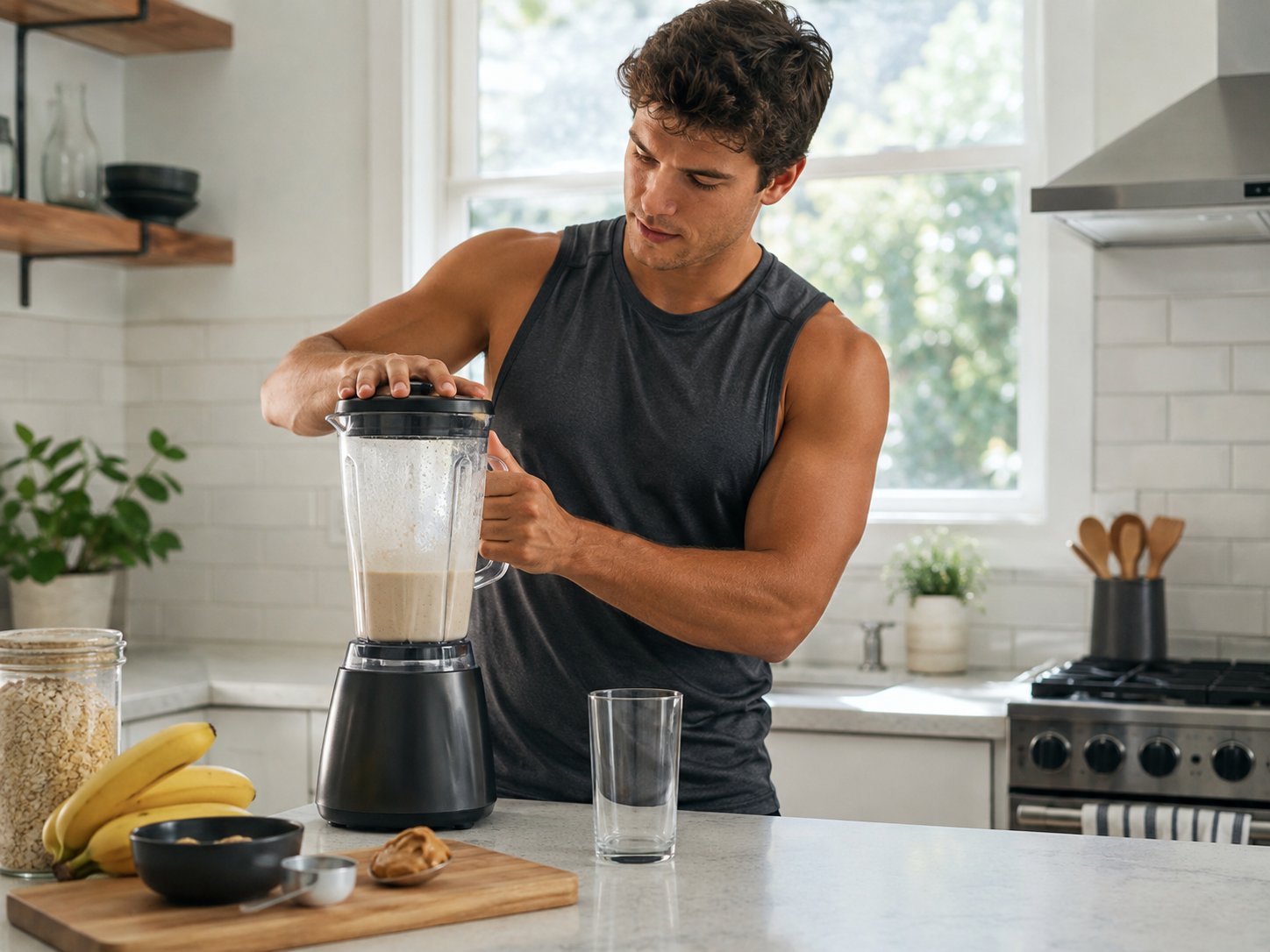
Analytical Research Labs (ARL) singles out zinc as the mineral for muscle building, because zinc is needed for RNA transferase, “an enzyme involved in all protein synthesis.” Between January and July 2026 I gained 11 pounds of muscle and lost 12 pounds of fat on my Hume readings, lifting 2 days a week and walking 3. Lifting supplies the load; zinc, chromium, calcium, magnesium and protein are the nutrients ARL ties to building muscle from it.
Health first, strength second
ARL’s 1991 weight-training document opens with an ordering principle: “It is important to build health first and strength second.” My genetic report rates my recovery need as high and my training response as low to normal, and it names active recovery sessions or rest days as the priority. The report explains why I had to reduce training and why walking was good for me, and my week became 2 lifting days and 3 walking days.
Zinc: the protein-synthesis mineral
Trace Elements, Inc. (TEI) places hair zinc in a normal range of 15 to 22 mg%, with an ideal of 20 mg%. Zinc is required by more than 100 enzymes and for protein synthesis and collagen production, and Watts (TEI) notes that absolute zinc deficiency brings a greater desire for protein. ARL’s training rule is direct: “If a training program is not working, zinc may be deficient.” It adds that copper or cadmium toxicity may be interfering with zinc.
Two criteria apply before a hair zinc reading is accepted. Cadmium elevates the zinc reading, so a normal zinc can sit beside zinc-deficiency signs. Both labs put the ideal zinc/copper (Zn/Cu) ratio at 8 to 1, and Watts states that a Zn/Cu below 8 means an increased zinc requirement even with a normal zinc level. Zinc is most abundant in animal protein, especially beef, and its absorption is hindered by phytates in grains, soy and beans and by high calcium intake.
Chromium, calcium and magnesium
ARL calls chromium “an important anabolic mineral.” TEI places the ideal hair chromium at 0.08 mg%, names animal protein as the best source of available chromium, and states that refining reduces food chromium by up to 90 percent. Both glucose and insulin increase chromium excretion, so a high-sugar diet carries a chromium cost.
ARL adds that imbalanced calcium and magnesium interfere with nutrient transport across cell membranes. TEI’s ideal calcium/magnesium (Ca/Mg) ratio is 7 and ARL’s is 6.67; I read the range between them. Vitamin E protects enzyme systems from oxidant damage, and vitamin A is synergistic with zinc, by ARL’s account.
Protein and timing
ARL states that most people need 30 to 60 grams of protein daily, and that no one diet works for everyone: a slow oxidizer may do well on a higher-carbohydrate diet provided protein is adequate, while for a fast oxidizer fats and oils are the better calorie source. Over the 7 months I increased my meal frequency and timed protein and carbohydrate before and after each workout.
The catabolism marker
ARL’s athlete document associates a low sodium/potassium (Na/K) ratio or an abnormal phosphorus level in an unwashed hair sample with excessive protein breakdown, or catabolism, and states that a chronic catabolic state can impair the normal healing of sports injuries. TEI puts the ideal Na/K at 2.4 and ARL at 2.5; a ratio under that range is the pattern ARL associates with excessive protein breakdown or catabolism. ARL also notes that its normal values were developed with athletes in peak condition, from unwashed samples.
Muscle definition and oxidation type
ARL observes that fast oxidizers tend to have poorer muscle definition than slow oxidizers, because the fast oxidizer retains more water in the tissues, and that fast oxidizers carry more weight on the trunk with more slender arms and legs, while slow oxidizers carry less on the trunk and more on the legs. The same document warns about compulsive exercise: as the adrenals fatigue, a person exercises more to keep getting the adrenaline high, and the sign of adrenal burnout is being “tired, even after exercising.” ARL’s prescription in that case is to reduce the exercise program, with recovery taking “several months to several years.”
On my Hume readings, the 11 pounds of muscle gained and 12 pounds of fat lost from January to July 2026 netted out to about 1 pound on the scale.
Keep Exploring
This article is for educational purposes only. These statements have not been evaluated by the Food and Drug Administration.