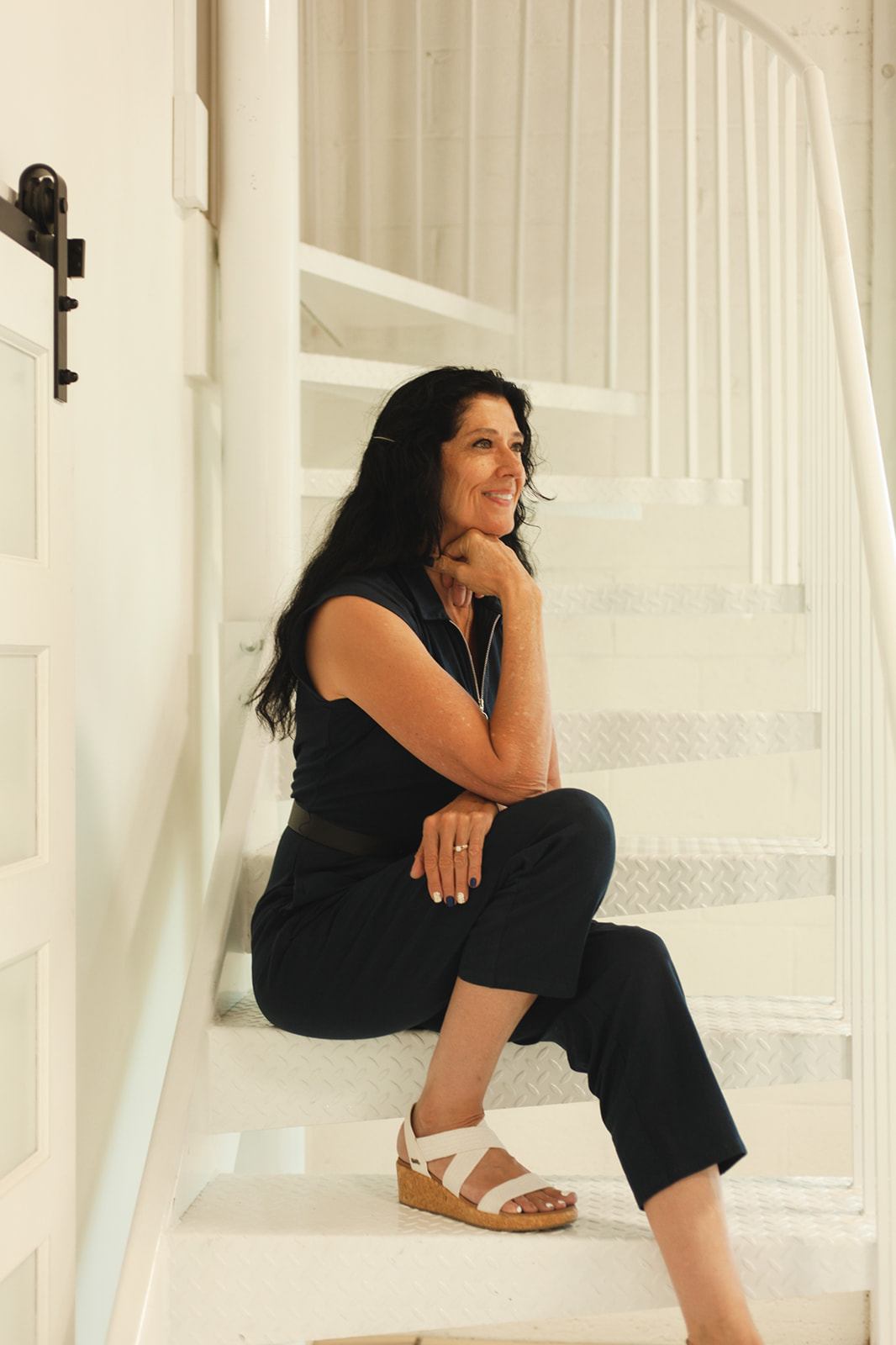

Invent It and Be Your Own Boss is my second book: 12 chapters on taking an invention from idea to patent to market, written from the 10 US patents and 6 international patents I hold. These 5 lessons come from the mistakes and results the book records, each with its figures.
Lesson 1: Search the Prior Art Before You Spend
A patent has 3 requirements, novelty, non-obviousness and usefulness, and prior art (any earlier patent, publication or public use) can disqualify an invention on the first 2. Early in my career I skipped comprehensive patent searches to save money and invested significant time and resources in 1 idea, then found at the utility patent stage that similar ideas were already patented; skipping the search was a costly mistake.
The originality steps in the book start with 3 checks before you invest: discuss the idea with peers for feedback, test whether it applies across more than 1 field, and validate customer demand with interviews and surveys before a substantial investment. Then run a formal search of existing patents, copyrights and trademarks, or hire a patent search professional or attorney to run 1 for you.
Lesson 2: Choose the Filing Path Before You File
A provisional application secures an early filing date and “patent pending” status at lower cost, but it grants no enforceable rights and expires after 12 months. To keep that filing date, you must file a non-provisional or a Patent Cooperation Treaty (PCT) application within the 12-month window. A PCT application gives up to 30 months from the priority date before you choose countries for the national phase.
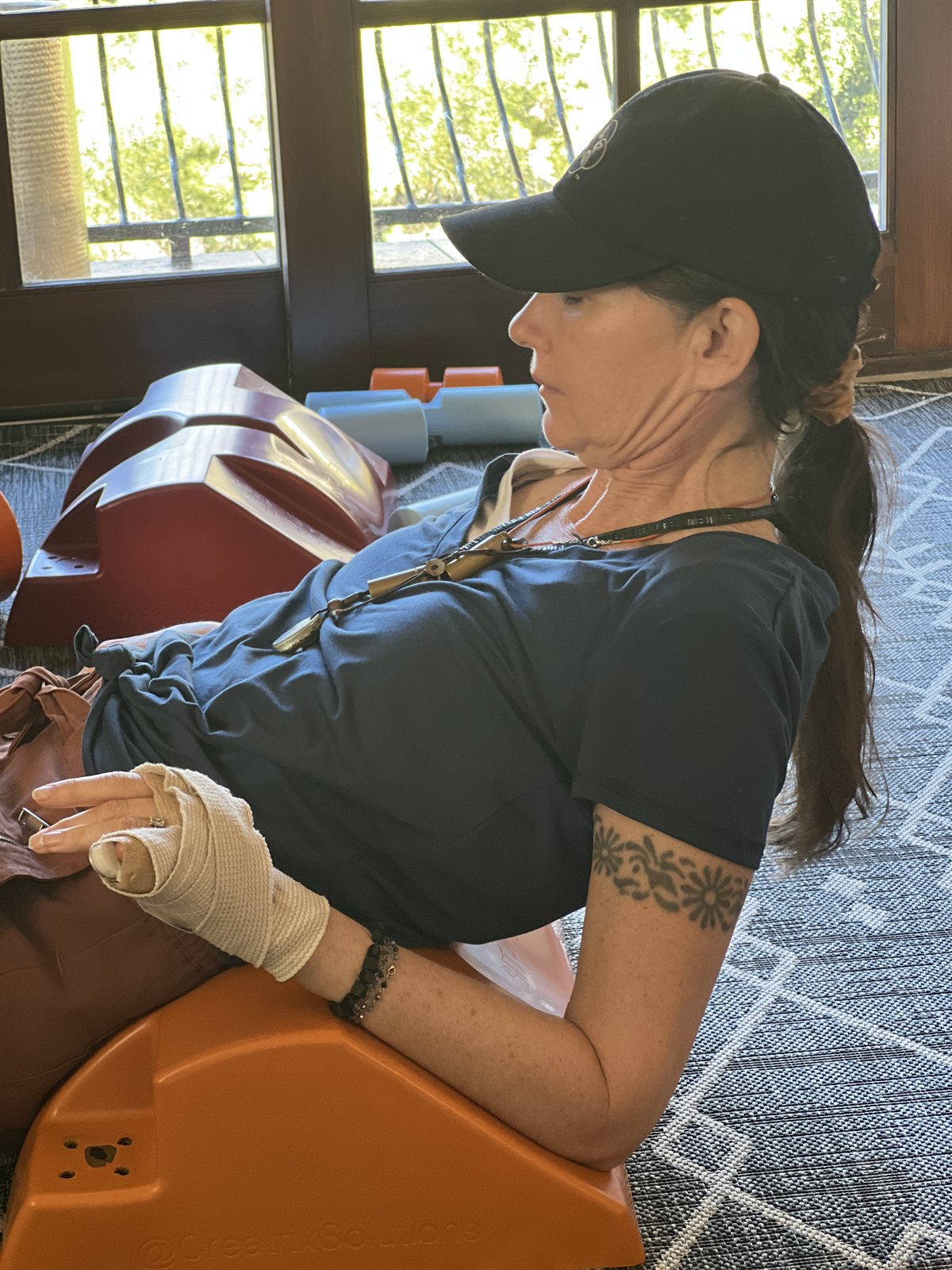
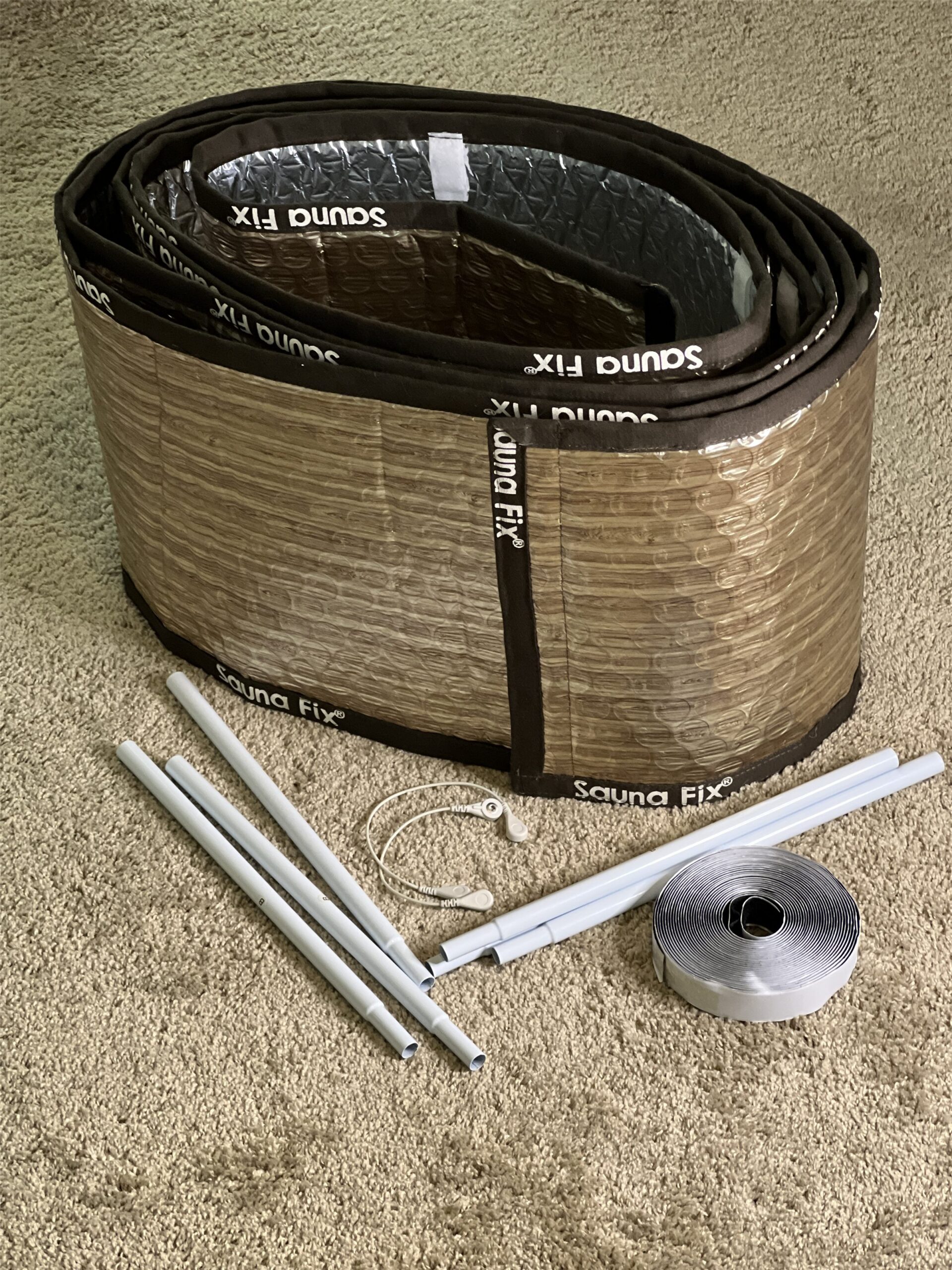
Of the 4 countries where my sauna tent is patented (the United States, Canada, China and Australia), only the United States allows an inventor to add claims and design features after the first filing. My attorney gave no explanation of this limitation before I filed the provisional for my sauna tent, so my patents in Canada, China and Australia carry only the claims written in that original provisional. For my posterior support equipment I filed the PCT with every claim in 1 application and worked 36 hours without sleep to finish it. A prospective investor also prompted me to file several patents early for a business plan, and I regret that timing.
Keep the invention secret until you file, because public disclosure for longer than 1 year before filing can cost you the patent; have every partner, manufacturer, investor, attorney and subcontractor sign a non-disclosure agreement (NDA) first.
Lesson 3: Document Everything and Review Your Attorney’s Work
Keep an inventor’s notebook with dated sketches, each prototype, each research report and every design change; it is the record of the invention’s conception and progression. Before hiring, interview 2 to 3 patent attorneys about their experience with similar inventions, their success rate and their fee structure.
Before filing, read every draft yourself: I found several errors in the legal claims and descriptions of my own applications by reviewing them carefully. When the examiner issues an Office Action, the usual response deadline is 3 months, extendable to 6 months for an additional fee; a missed deadline means abandonment of the application.
Lesson 4: Budget for Rejections, and Claim the Money Available
All but 3 of my patent grants included rejected claims that had to be defended and revised before issue, and every exchange with the patent office carries a fee; those fees were outside my original budget, so I borrowed money to keep the applications alive. Prototypes add to the bill: each version may cost more than the last, which is why I bought a Formlabs 3D printer to build the Tri-Oxy Refresh ozone degasser prototypes in-house; 3D printing saved me thousands of dollars against outsourced printing and traditional molding methods.
The federal research and development (R&D) tax credit, in Section 41 of the Internal Revenue Code, reduces tax liability dollar for dollar for qualified research expenses. I learned about it after filing my 2019 taxes, amended that return within the 3-year window, amended 2020 and 2021, and claimed it in my original 2022 filing: just over $55,000 in credits against more than $9,000 in CPA fees. National Science Foundation (NSF) grants require registration on 3 sites, SBIR.gov, Research.gov and Sam.gov. I spent weeks on 1 NSF proposal, found at the last minute that those registrations were still outstanding, and missed the deadline because of processing delays.
Lesson 5: Sell to the Customers You Already Have
I built products for my existing customer base and kept 100% ownership of my company rather than giving away large portions of it or relying on uncertain licensing deals. My small business, started with my Nutritional Balancing degree in August 2011, used hair tissue mineral analysis lab testing to design detox, nutrition, diet and supplement programs, and while working with those clients I identified equipment problems and solved them with better equipment. I hold 10 US and 6 international patents; 9 of the 10 US patents are commercialized, and I plan to license 2 patents.
For the spinal inventions, I commercialize through education. The Spinal Fitness Training and Certification Program has 4 levels: Spinal Fitness Basics, Posture Evaluation and Exercises, Exercise Techniques and Equipment, and Trainer of Trainers. Level 3 and 4 trainers attend an annual workshop and pay a monthly licensing fee.
The Workbook
The companion Invent It Action Workbook turns these lessons into 20 planning sections, from the problem worth solving through prior art research, confidentiality, prototype planning, office actions, cost and funding, and commercialization, to a 90-day inventor action plan, plus 8 bonus tools including a prior art search log and an R&D expense tracker.
This article is for educational purposes only and is not medical advice. It is also not legal, patent, tax or financial advice; consult a registered patent attorney or agent and a tax professional for your own situation.