
The 2pm crash. The morning that requires two coffees before you feel human. The workout that used to energize you and now flattens you for a day. Most people treat energy crashes as a sleep problem or a willpower problem — but very often they are a mineral problem, and your body has been leaving clues for years. Learning to read those clues is one of the most practical skills in all of wellness, because energy is not an attitude. Energy is chemistry.
Energy Is Made From Minerals
Every molecule of ATP — the energy currency your cells spend all day — comes out of enzymatic reactions that depend on minerals. Magnesium alone participates in more than three hundred of them, including the ones at the heart of energy production. Zinc, copper, manganese, chromium, sodium, and potassium each hold their own posts along the assembly line that turns food into usable fuel. When these run low, or drift out of balance with one another, energy production slows at the cellular level. No amount of caffeine fixes a slow cellular engine; caffeine only borrows against tomorrow’s output.
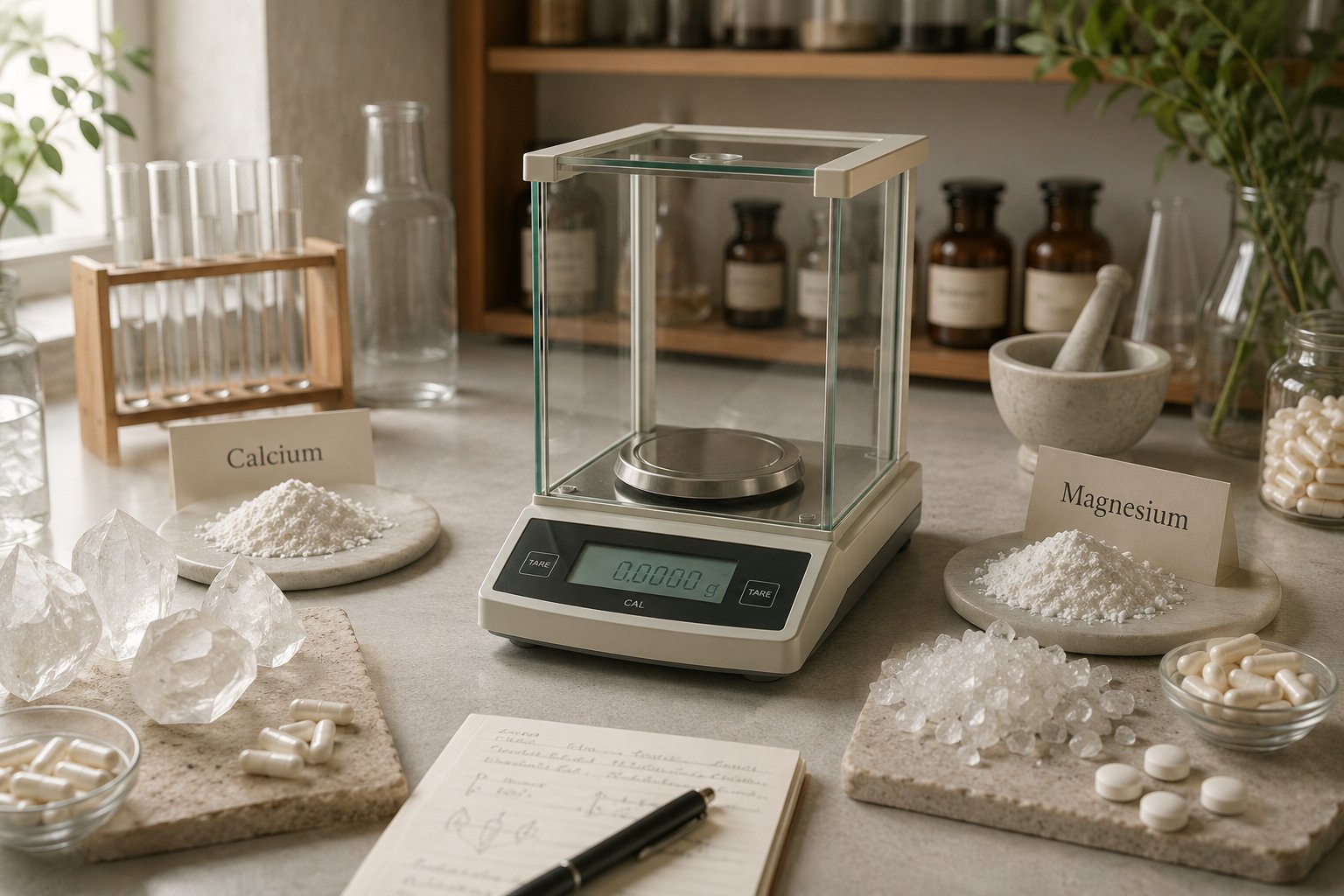
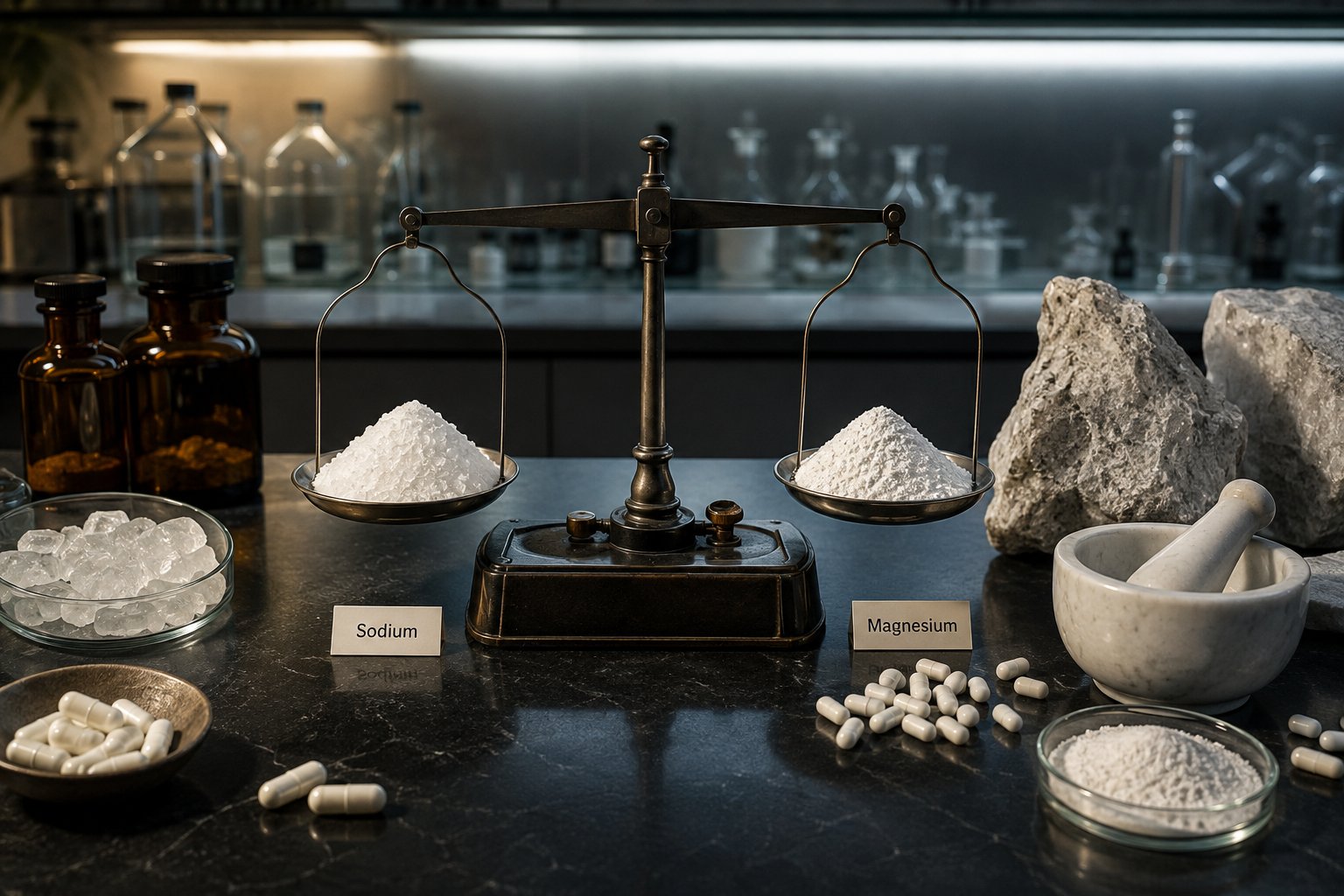
Balance matters as much as quantity, which is a point most supplement marketing skips entirely. Minerals work in ratios — calcium against magnesium, sodium against potassium, zinc against copper — and a ratio can be deranged even when each individual mineral looks acceptable on its own. The crash you feel is often the ratio, not the amount.
The Patterns Behind the Crash
Practitioners who read mineral studies day after day learn to recognize recurring signatures in tired people:
- Magnesium depletion. Fatigue traveling with muscle cramps, eye twitches, restless sleep, and tension headaches. Modern soil practices and chronic stress both drain the same reserve.
- A lowered sodium-to-potassium ratio. The classic exhaustion signature — the person pushing through on will alone, wired at night, flat in the morning.
- The four-low pattern. Calcium, magnesium, sodium, and potassium all sitting low together, the metabolic equivalent of an engine idling too slowly to climb hills. People in this pattern often say the crash is their whole day.
- The calcium shell. Tissue calcium climbing high while energy sinks — a pattern often seen alongside emotional flatness, as if the body built a wall and the person is living behind it.
- Copper imbalance. Energy crashes traveling with racing thoughts, poor stress tolerance, and histamine-type reactions.
None of these is a diagnosis — they are wellness patterns, and their value is direction: each one points somewhere specific, which guessing never does.
Fast Crashes and Slow Crashes Are Different Animals
Mineral work sorts metabolisms into fast, slow, and mixed oxidation — essentially, how quickly the body burns through its fuel and its minerals. A fast oxidizer crashes like a bonfire running out of wood: intense output, then a hard drop, often mid-afternoon, with irritability riding along. A slow oxidizer crashes differently — the fire never fully lights, mornings are the struggle, and energy arrives late in the day if at all. The two patterns feel similar from the inside (tired is tired) but they call for nearly opposite support, which is exactly why generic energy advice so often disappoints. What stokes one fire smothers the other.
Why Your Blood Work Keeps Coming Back Normal
Blood is the body’s most defended compartment. When reserves run low, the body pulls minerals from tissue to keep circulating levels stable — so blood can read comfortably normal while the tissues quietly go without. This is why so many people with real, daily crashes carry a folder of reassuring lab results that explain nothing. A hair tissue mineral analysis samples the other side of that defense: what the tissues actually received over the past three months, including the ratios that blood’s tight regulation hides. The two tests answer different questions, and I wrote a full comparison of HTMA and blood mineral testing for anyone standing at that fork.
What I See on the Reports of Tired People
A perspective from my own practice — and my own history, because the crash found me first. During my years as a quality engineer in nuclear power I ran my days exactly the way the industry runs its plants: maximum output, tight margins, no allowance for decline. My body eventually filed a protest my coffee could not override. The fatigue that finally sent me looking for answers is the reason mineral analysis became the foundation of the Eileen Durfee Method — I needed to see my own engine on paper before I believed energy was chemistry rather than character.
Now the same scene repeats across my desk in the other direction. A client arrives with years of unexplained crashes and a stack of normal lab work, half-convinced the problem is laziness or age. The mineral study comes back, and there it is — the lowered sodium-to-potassium ratio, or all four electrolytes sitting on the floor, or a calcium shell built brick by brick through a decade of stress. Watching someone see their exhaustion measured for the first time never stops being moving; the relief is physical. The pattern gives us a starting point, a sequence, and a way to verify progress on a retest a few months later instead of guessing and hoping. My own recovery ran on that loop, and it is the same loop I hand every client.
Rebuilding Energy the Boring, Reliable Way
Energy rebuilds in an order, and the order matters more than the enthusiasm:
- Test before you supplement. The signatures above call for different — sometimes opposite — support. A tissue mineral analysis turns guessing into reading, and the results enable a trained practitioner to design a program tailored to your specific biochemistry rather than to an average person who does not exist.
- Feed the engine real inputs. Mineral-rich whole foods, adequate protein, and unrefined salt in cooking give the correction something to build with.
- Subtract the borrowed energy slowly. Stimulants mask the gauge. As minerals rebuild, most people find the second coffee simply stops being necessary — a better outcome than white-knuckling withdrawal on an empty tank.
- Retest, then adjust. Tissue minerals shift over months, not days. A follow-up study every three to five months shows whether the pattern is actually moving and lets the program evolve with you.
The Crash Is a Message, Not a Verdict
The most damaging story tired people tell themselves is that the crash is who they are. In pattern after pattern, it is simply what their minerals are doing — and mineral patterns can change. The body that learned its way into an exhausted signature can be walked back out of it, step by measurable step. The crash was never a character flaw. It was a message, written in chemistry, waiting for someone to read it.
Frequently Asked Questions
Is coffee causing my crashes?
Coffee is usually the coping mechanism rather than the cause — but it does mask the gauge and lean on the same stress reserves that are already depleted. Most people do best correcting the underlying pattern first and letting the caffeine need fade on its own schedule.
Why not just take a multimineral and cover the bases?
Because minerals compete and interact. More calcium can slow a slow oxidizer further; extra copper can worsen the exact pattern producing the crash. Broadcasting minerals at an unmeasured system sometimes helps, sometimes backfires — which is why testing first, and working with someone trained to read the results, beats the shotgun approach.
How fast does energy come back?
Individual and pattern-dependent. Some people notice early improvement within weeks as the most depleted reserves refill; deeper patterns rebuild across several testing cycles. The honest framing: it took years to write the pattern, and it unwinds on tissue time, not caffeine time.
Can stress alone cause the crashes, even with a good diet?
Chronic stress is one of the fastest mineral spenders there is — it drives sodium, potassium, magnesium, and zinc losses regardless of what is on the plate. A good diet slows the drain; it does not eliminate it. This is why two people eating identically can carry completely different mineral signatures.
Do I need HTMA, or is blood testing enough?
They answer different questions. Blood confirms the body is defending its circulating levels; tissue analysis shows what that defense has been costing. For unexplained energy crashes with normal blood work, the tissue side is usually where the explanation lives.
If the crashes in this article sound like your afternoons, start with the free Hidden Causes of Fatigue self-assessment — it walks you through the signature questions I ask new clients. The HTMA & Personalized Nutrition pillar collects the deeper guides, and when you are ready to see your own pattern on paper, you can order a hair analysis kit and have the results professionally read.
Keep Exploring
This article is for educational purposes only and does not constitute medical advice, diagnosis, or treatment. Hair Mineral Analysis is an educational tool used to identify nutritional trends.